Small Space Comfort: Practical Cozy Apartment Decor
 Save
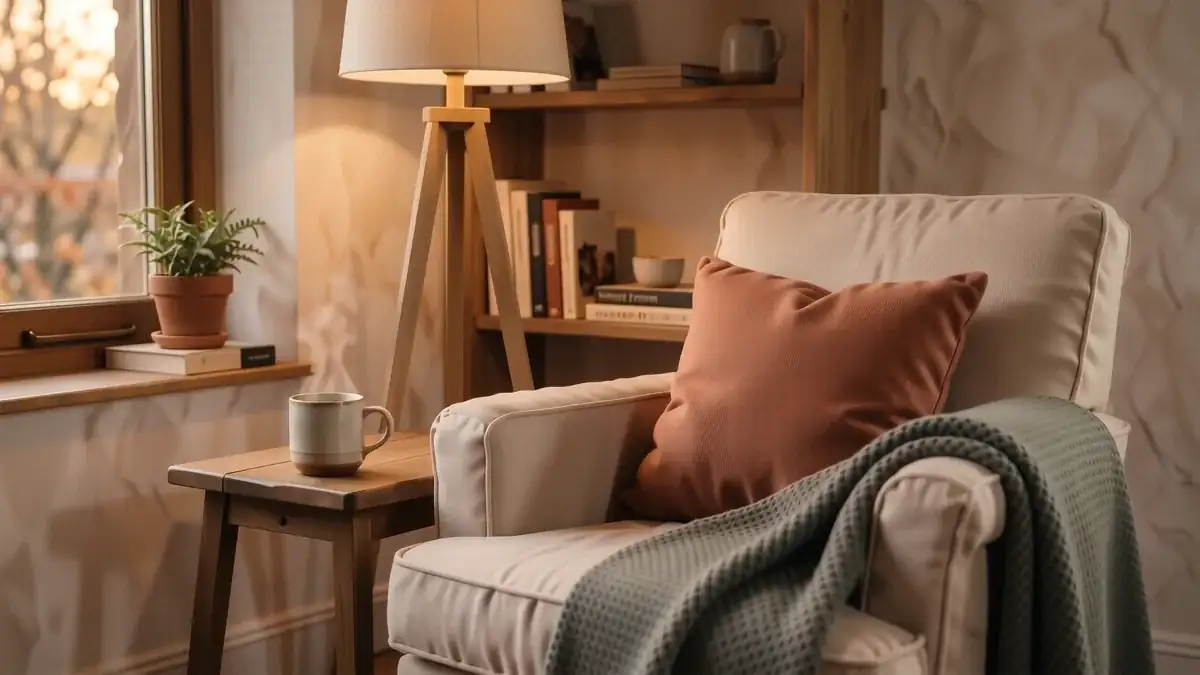
Save There is a specific kind of peace that comes from closing your door on a busy city street and sinking into a space that feels like a soft exhale. It isn’t about expensive renovations or vast square footage. We are going to look at how you can layer warmth into your rental this weekend using simple, tactile changes.
The Warmth of Low-Level Lighting
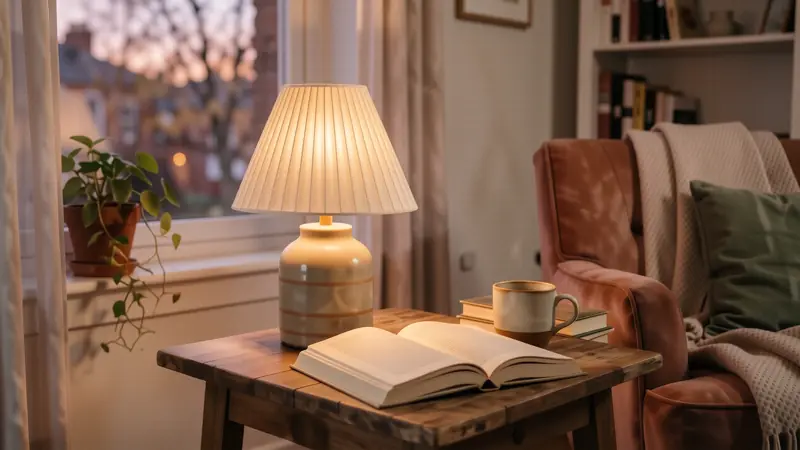
Overhead lighting is the enemy of relaxation. Those harsh, cool-toned ceiling bulbs make a small studio feel more like a doctor’s waiting room than a sanctuary. To fix this, you need to look toward the 2700K color temperature range for every lamp you buy.
Start by placing a pleated fabric table lamp on a sideboard or side table. The shade diffuses light into a soft glow rather than a direct beam. If your apartment lacks outlets in key areas, use rechargeable cordless LED lamps from brands like Poldina to add light to bookshelves without messy cables trailing across the floor.
- Use amber-toned Edison bulbs.
- Stick to warm white (2700K).
- Add a small salt lamp for an orange hue.
Layering is your best friend here. A single bright source creates shadows, but three or four dim sources create depth.
Creating a Cozy Bedroom Apartment Sanctuary
Your bed should feel like an island. In many small apartments, the sleeping area is visible from the kitchen or living room, which can make it hard to mentally switch off. You can solve this by using textiles to create visual boundaries.
A heavy linen duvet cover in a muted terracotta or oatmeal shade provides an immediate sense of weight and comfort. I personally love layering a chunky knit throw at the foot of the bed to add a different scale of texture. If you have the space, a small jute rug tucked halfway under the bed frame can ground the area.
Avoid high-gloss synthetic fabrics that feel cold against the skin. Instead, opt for washed cotton or bamboo blends that invite you to linger. Sleep becomes a ritual when your surroundings reflect softness.
Tactile Layers and Materiality
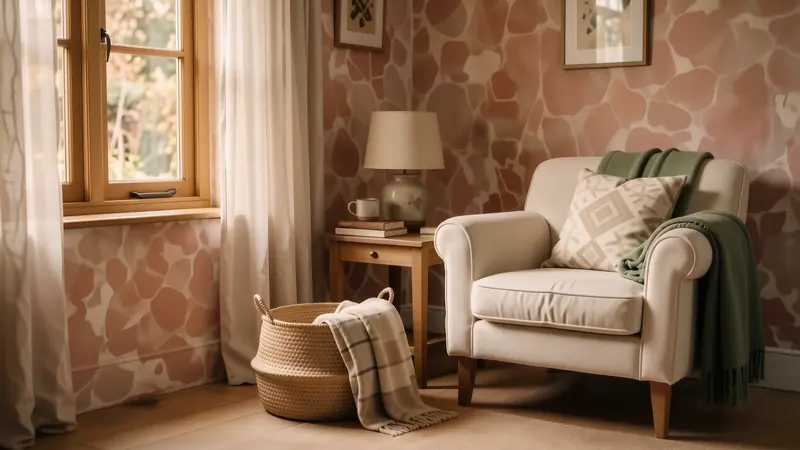
Texture is how you add soul to a room without adding clutter. When you live in a small space, every object needs to earn its keep through both function and feel.
Think about the contrast between hard and soft surfaces. A smooth marble coffee table feels elevated, but it can also feel clinical if left bare. Drape a piece of boucle fabric over an accent chair or place a thick sheepskin rug (faux is perfectly fine) over a hardwood floor to dampen sound and add visual warmth.
Mixing materials prevents a room from looking like a furniture showroom catalog. Try pairing a smooth ceramic vase with a rough, hand-woven basket. This interplay of surfaces makes a room feel inhabited and lived-in rather than staged.
The Art of the Cozy Corner
Every apartment needs a dedicated spot for doing nothing. We often try to make every square inch productive, but that is the opposite of hygge.
Find an unused corner near a window and claim it. A single oversized armchair in a deep forest green or navy can transform a dead space into a reading nook. Add a small floor lamp and perhaps a tiny floating shelf for your tea collection.
If you are working with a very tight studio, even a window seat cushion can serve this purpose. The goal is to create a micro-environment that feels separate from the rest of your chores. It should be a place where the only requirement is to sit and breathe.
Functional Beauty in the Kitchen
Kitchens in apartments are often cramped and utilitarian. You can soften these hard edges by bringing organic elements to your countertops.
Instead of hiding everything in cabinets, use your everyday items as decor. Store wooden spoons in a heavy ceramic crock or display your most beautiful stoneware bowls on an open shelf. This adds a sense of warmth that plastic containers simply cannot provide.
A small herb garden on the windowsill brings life and scent into the room. Use terracotta pots rather than plastic ones to keep the aesthetic grounded. Even a simple linen tea towel hanging from an oven handle can change the mood of the entire space. Small, intentional details make the kitchen feel like a home rather than just a place to cook.
Defining the Entrance
The entryway sets the tone for your entire home. Even if you only have a narrow hallway, you can create a sense of arrival.
A small wooden console table or even a sturdy floating shelf provides a landing strip for keys and mail. To prevent this from feeling cluttered, use a heavy stoneware bowl to catch loose change.
Adding a mirror above the surface helps bounce light around a dim hallway, making it feel wider. A small rug with a subtle pattern can also define the zone. This tells your brain that you have officially left the outside world behind and entered your private sanctuary.
Bringing Nature Indoors
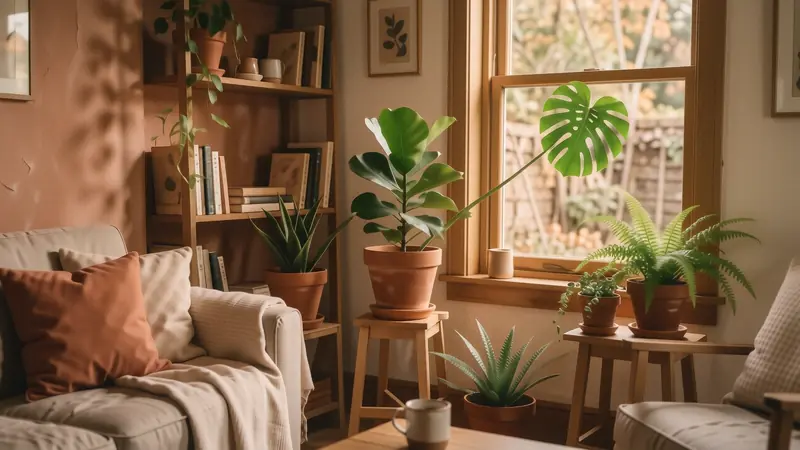
Plants are essential for breathing life into a static room. They add movement, color, and a connection to the natural world that is often missing in urban living.
If you have low light, reach for a Pothos or a Snake Plant. These varieties are forgiving and thrive even if you forget them for a few days. For more visual impact, a large Monstera can fill an empty corner beautifully.
Avoid using cheap plastic pots which can look jarring against natural materials. Instead, opt for clay, stone, or even upcycled wooden crates. The goal is to make the greenery feel like a permanent part of your decor rather than an afterthought.
Softening the Walls
Blank, white walls can feel echoing and cold. You don’t need to hang expensive art to fix this.
Tapestries or heavy fabric wall hangings are excellent renter-friendly options. They add both color and sound absorption, which is vital in thin-walled apartments. If you prefer frames, choose wood tones like walnut or oak to keep the look warm.
Avoid large, glossy prints that reflect light harshly. Instead, lean toward matte paper or canvas textures. You might even consider a gallery wall of personal sketches or pressed botanicals. This makes your walls feel personal and soft rather than clinical.
The Slow Living Mindset
Decorating is really about how you intend to live within your space. If you want a cozy apartment, you must design for the slow moments.
Ask yourself if your furniture allows for lounging or if it’s strictly for sitting upright. A low coffee table encourages you to sit on the floor with a cushion. An extra blanket draped over the sofa invites an afternoon nap.
When you choose items, prioritize how they feel in your hands and under your feet. The most beautiful apartment is useless if it doesn’t facilitate rest. As you add each new piece, ensure it serves the quiet rhythms of your daily life.
Frequently asked questions
How can I make a rental feel cozy without painting?
Focus on textiles like rugs, curtains, and throw pillows. You can also use peel-and-stick wallpaper or large fabric wall hangings to add color and warmth.
What is the best light temperature for a cozy vibe?
Look for bulbs labeled 'Warm White' with a Kelvin rating between 2400K and 2700K. This mimics the soft glow of candlelight or sunset.
Are plants actually good for small apartments?
Yes, they improve air quality and add organic shapes that soften harsh corners. Choose low-light varieties like Snake Plants if your space is dim.
How do I stop my apartment from feeling cluttered while decorating?
Follow the rule of intentionality. Instead of many small trinkets, choose a few larger, meaningful objects like a heavy ceramic vase or a thick linen throw.
More ideas → Cozy Small Spaces & Apartment Ideas
Keep reading
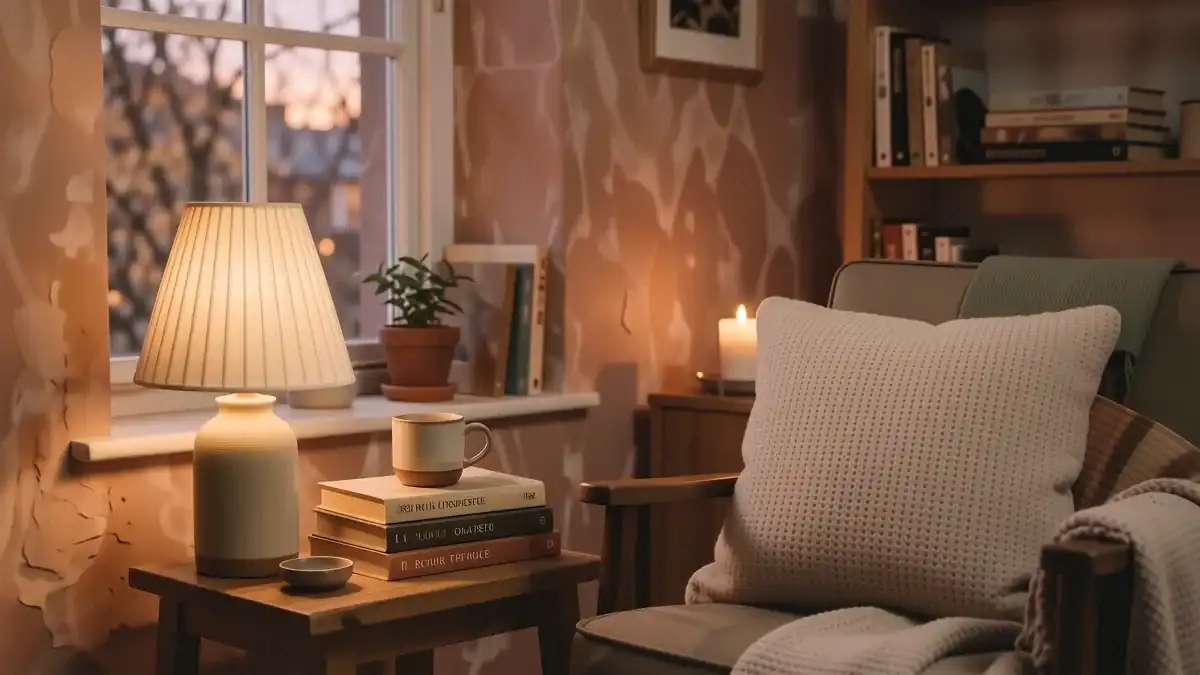
Warm and Cozy Apartment Lighting Ideas for Small Spaces
Cozy apartment lighting ideas you can pull off on a budget. From warm bulb temperatures to layered textures, create a sanctuary this weekend.
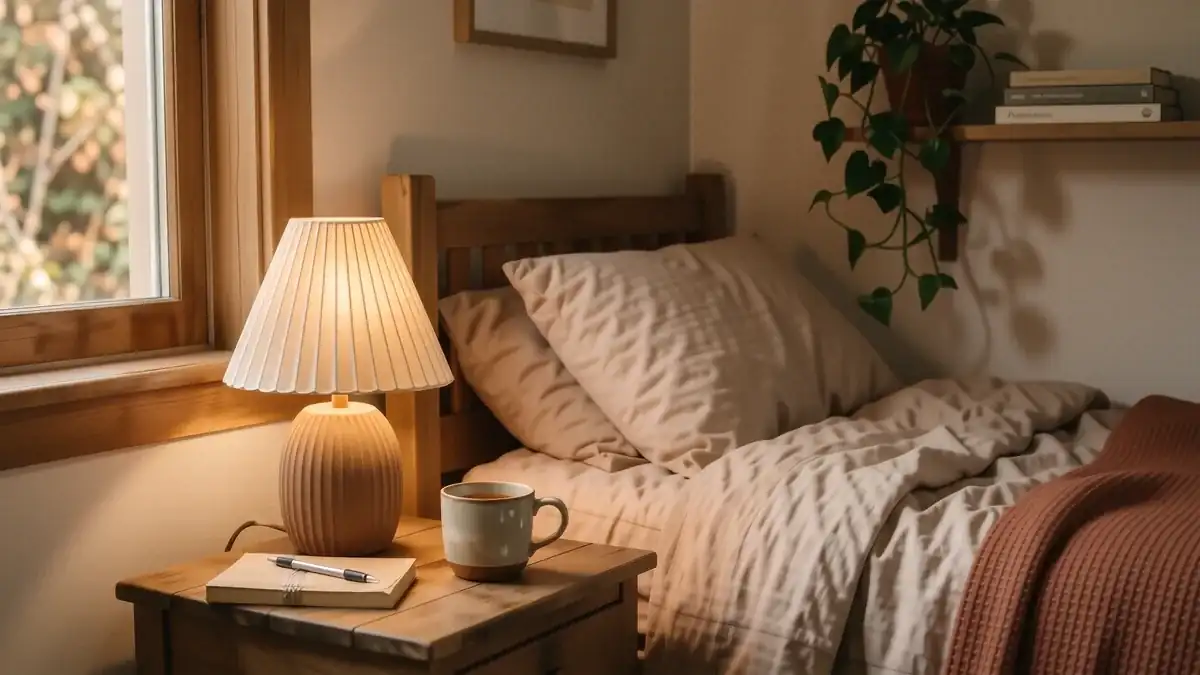
How to Create Cozy Dorm Room Decor This Weekend
Practical cozy dorm room decor, minus the fluff. Learn about warm lighting, soft textures, and renter-friendly styling tips.
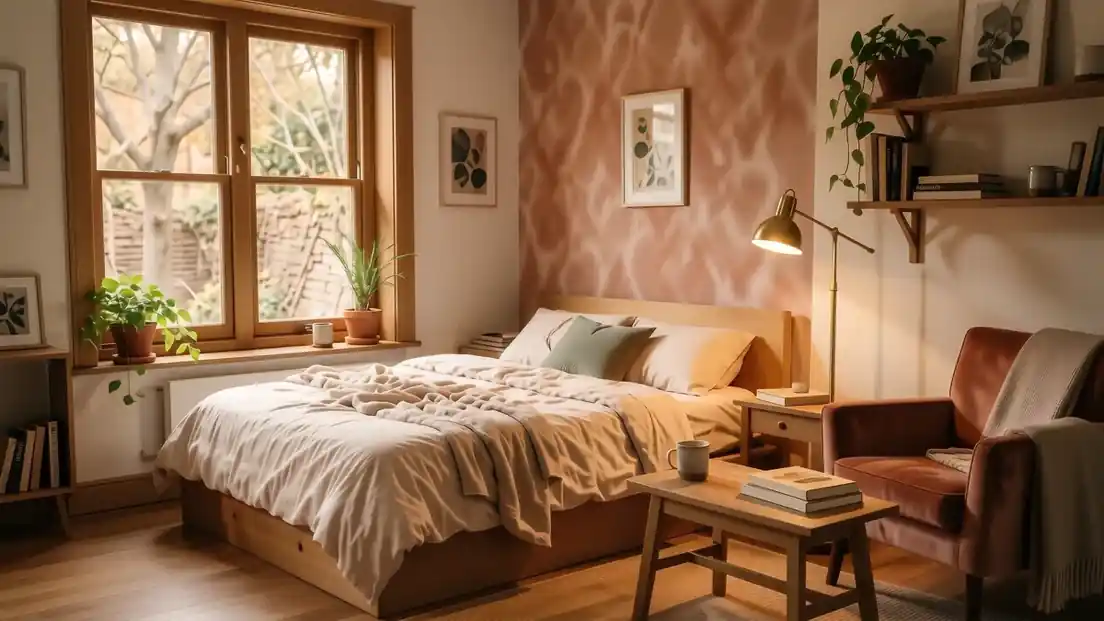
Cozy Studio Apartment Decor: Small Space Magic
Cozy studio apartment decor on a budget — warm lighting, smart zoning and soft textures that make one room feel like a calm, complete home.
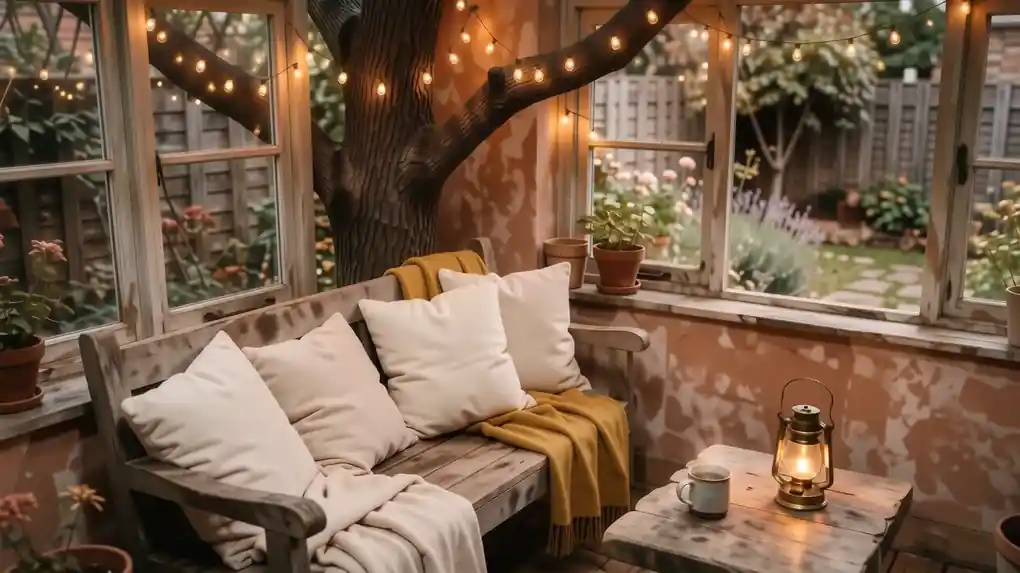
Simple Ways to Create Cozy Backyard Decor
Simple cozy backyard decor that shift the whole mood. From warm lighting to soft textures, learn how to build a relaxing garden escape.