How to Choose a Cosy Home Office Chair
 Save
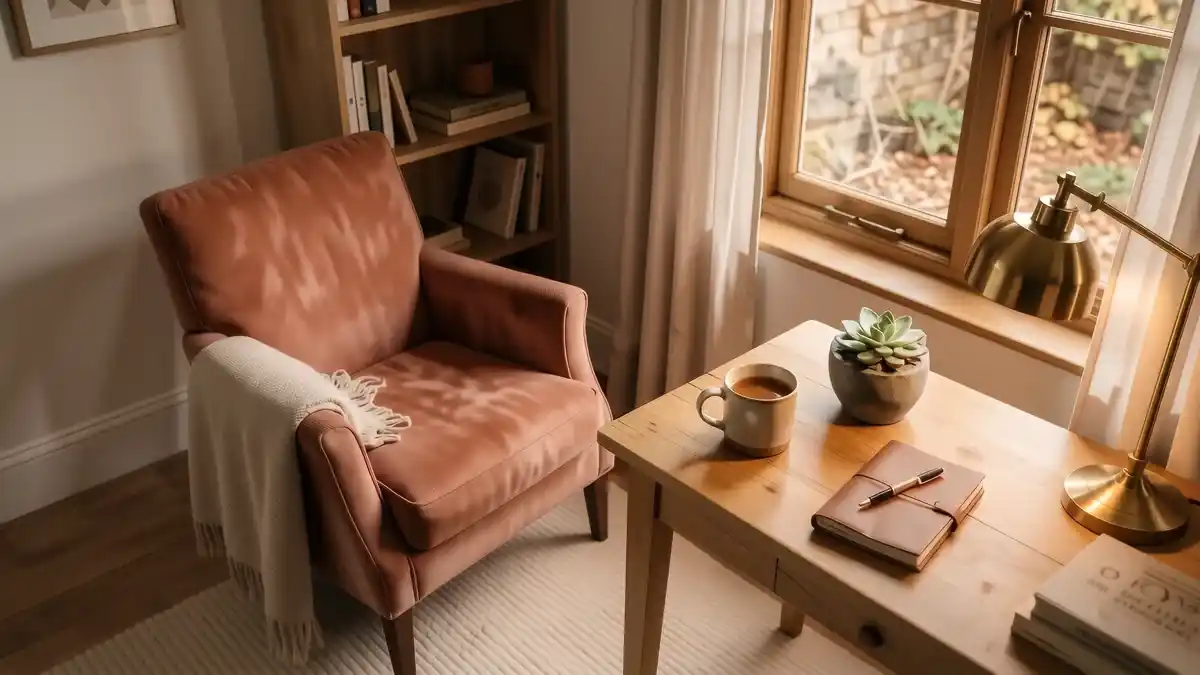
Save The right seat changes everything. It turns a cold desk into a sanctuary where you actually want to sit for an hour.
Finding Your Perfect Seat
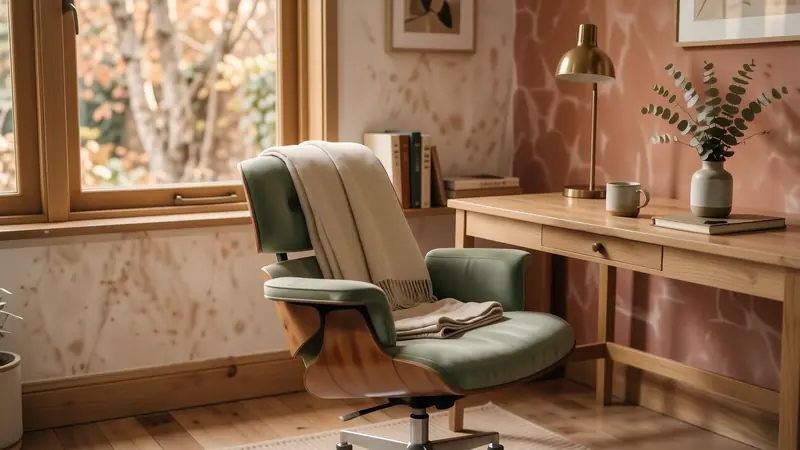
Choosing a cosy home office chair starts with your body, not just the look of it. You might find yourself drawn to a sleek velvet swivel seat in a deep forest green or perhaps a sturdy wooden frame with thick linen cushions. If you are working from a small apartment, consider an armchair that tucks neatly under a compact desk. Look for a seat depth of at least 16 inches to ensure your legs feel supported during long afternoons.
Small spaces benefit from slim profiles. A chair with tapered legs creates visual breathing room. It feels less heavy than a bulky executive model.
- Check the seat height (usually 18-20 inches).
- Prioritize breathable fabrics like cotton or linen.
- Look for swivel bases to prevent desk strain.
Layering Textures for Comfort
Hard surfaces make work feel clinical. To soften the edges of your workspace, you need tactile variety. A smooth leather seat can feel cold against your skin during winter months. Instead, try draping a heavy chunky-knit wool throw over the backrest of your chair. This adds immediate warmth and a sense of lived-in comfort.
A sheepskin rug thrown over a wooden seat changes the entire mood. It feels indulgent. You might choose a faux shearling in an oatmeal shade to keep things neutral but soft.
Mixing materials prevents the room from looking flat. Pair your smooth desk surface with a boucle cushion or a tactile jute rug underneath. These small additions make sitting feel like a treat rather than a chore.
Warm Lighting for Focus
Fluorescent overhead lights are the enemy of calm. If you want to settle into your work, you must control the glow. Aim for light temperatures between 2700K and 3000K to create a golden, inviting atmosphere. A brass task lamp with a warm bulb provides focused light without washing out the room’s character.
Layering is the secret here. Do not rely on just one source of illumination.
A small table lamp on a nearby bookshelf or a dimmable floor lamp in the corner creates depth. This prevents that harsh, shadowless feeling found in cubicles. If you are renting and cannot change the ceiling fixtures, use smart bulbs to adjust brightness as the sun sets. It makes the transition from afternoon work to evening relaxation much smoother.
Creating a Cozy Corner Office
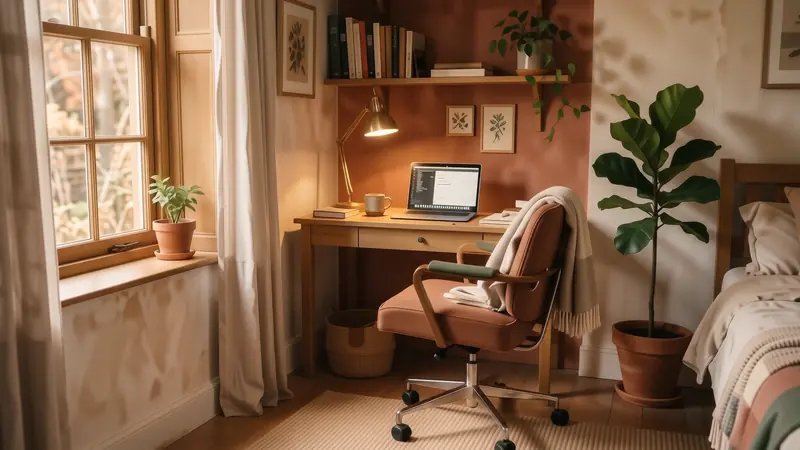
You do not need a dedicated room to have a professional setup. Many people find success by carving out a cozy corner office in an unused nook or even a bedroom corner. The key is defining the boundaries of your work zone. A small area rug, perhaps in a muted terracotta or navy blue, acts as a visual anchor for your desk and chair.
Use vertical space to keep things tidy. Floating shelves above your desk hold books and plants without taking up floor area. This keeps your immediate surroundings clear of clutter.
A tall potted plant like a Snake Plant can act as a soft divider between your work life and your rest life. It adds a splash of natural green that feels grounding when you look up from the screen.
Renter-Friendly Styling Hacks
Living in a rental means you cannot paint the walls or replace the flooring. However, you can still inject personality into your workspace through textiles and temporary decor. Peel-and-stick wallpaper in a subtle linen texture is a great way to create an accent wall behind your desk. It adds depth without any permanent damage.
Focus on what sits on top of the furniture.
A beautiful tray for your pens, a stack of vintage books, and a small candle can make a generic desk feel curated. If your chair is functional but unattractive, use a decorative textile to hide it. A large linen scarf or a high-quality fabric wrap can transform a cheap plastic seat into something that looks intentional and soft.
The Importance of Color Palettes
Colors dictate how your brain perceives the energy of a room. If you need to stay calm, look toward earth tones like warm oatmeal, sage, or dusty clay. These shades feel stable and quiet. They allow you to focus on the task at hand without visual distraction.
Bright whites can sometimes feel too sterile for a cozy vibe.
Instead, opt for off-whites or creamier tones that catch the light more softly. If your chair is a neutral color, use your accessories to add subtle pops of warmth. A muted mustard yellow cushion or a deep ochre rug provides just enough interest. This approach ensures your workspace feels energized but never overwhelming or chaotic.
Beyond the Desk
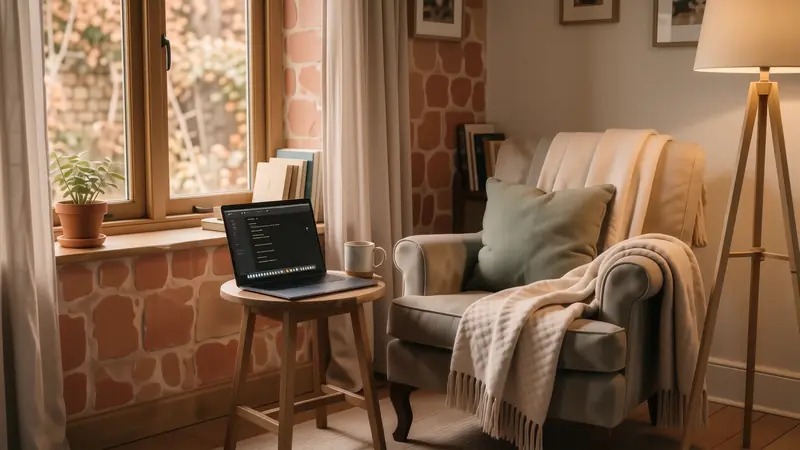
Sometimes, work happens away from a desk. If you prefer a more relaxed approach, consider how a cozy bedroom chair might serve as an alternative workspace for reading or light laptop use. A well-placed armchair with a small side table can be just as productive as a formal office setup if the lighting is right.
You might also find inspiration in other parts of the home.
A sturdy, comfortable cozy kitchen chair could work for quick morning emails while you sip tea. The goal is to integrate your productivity into your lifestyle rather than isolating it. By choosing pieces that feel good in any room, you create a more cohesive and soothing living environment.
Maintaining Your Sanctuary
A cozy space only stays cozy if it remains tidy. A cluttered desk leads to a cluttered mind, which is the opposite of what we want. Set aside ten minutes at the end of every Friday to clear your surface. Put pens back in their holders and stack your notebooks neatly.
Small habits make a big difference.
Keep a small basket nearby for loose papers or items that don’t belong on your desk. This prevents them from piling up. When you treat your workspace with respect, it becomes a place of genuine comfort rather than a source of stress. A clean, organized environment allows the soft textures and warm lights to truly shine through.
Frequently asked questions
What is the best fabric for an office chair?
Breathable fabrics like cotton, linen, or high-quality mesh are ideal for long periods of sitting. Velvet offers a lovely tactile warmth if you prefer a more luxurious feel.
How can I make a hard chair feel cozier?
Add layers. A thick seat cushion, a textured lumbar pillow, or even a soft sheepskin throw can instantly soften a rigid seat.
Can I use a regular armchair as an office chair?
Yes, if it provides enough support for your back and has the correct height to reach your desk comfortably. Just ensure you have a small table nearby for stability.
What color lighting is best for working?
Aim for warm white bulbs between 2700K and 3000K. This provides enough light to see clearly without the harsh, blue-toned glare of standard office lights.
More ideas → Cozy Home Office Ideas
Keep reading
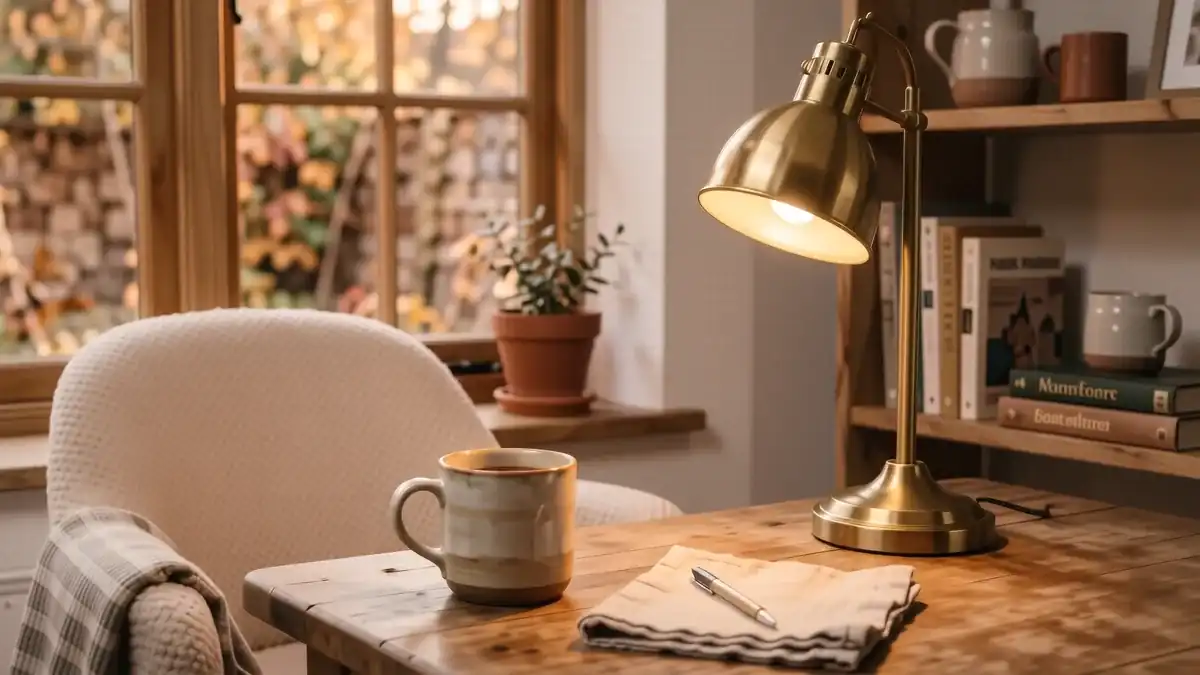
How to Create Cozy Home Office Decor That Actually Works
Warm, lived-in cozy home office decor for real homes. From warm lighting to tactile textures, learn how to build a productive, hygge sanctuary.
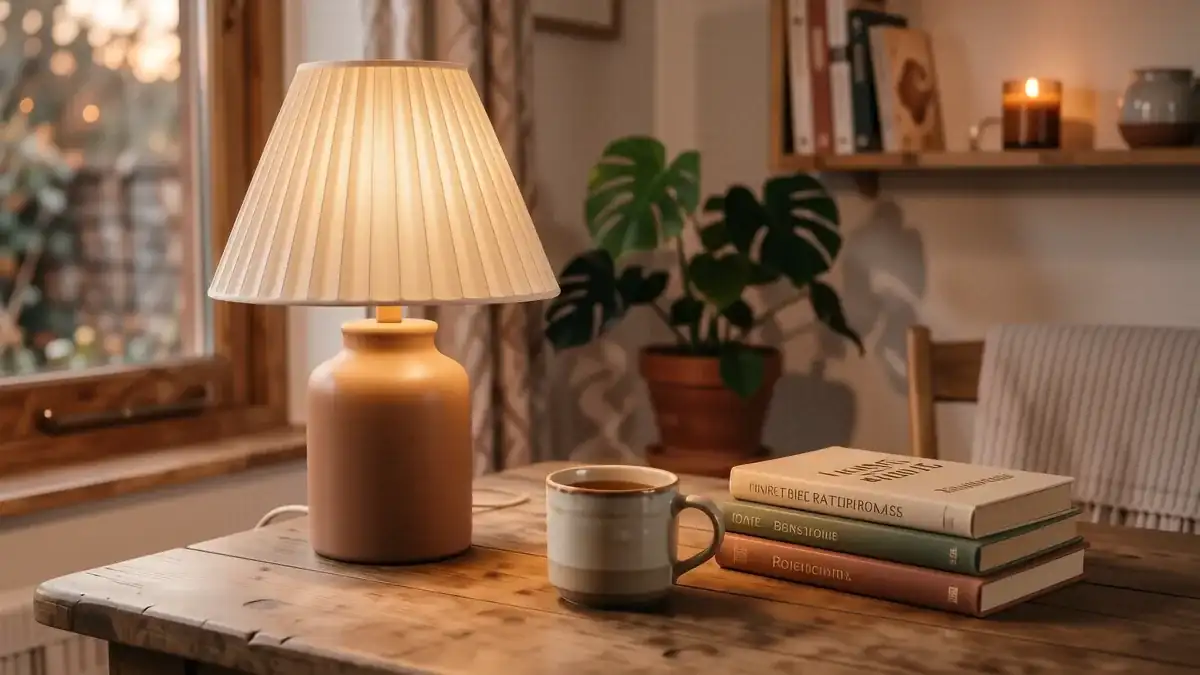
How to Master Cozy Home Office Lighting
Simple cozy home office lighting that shift the whole mood.
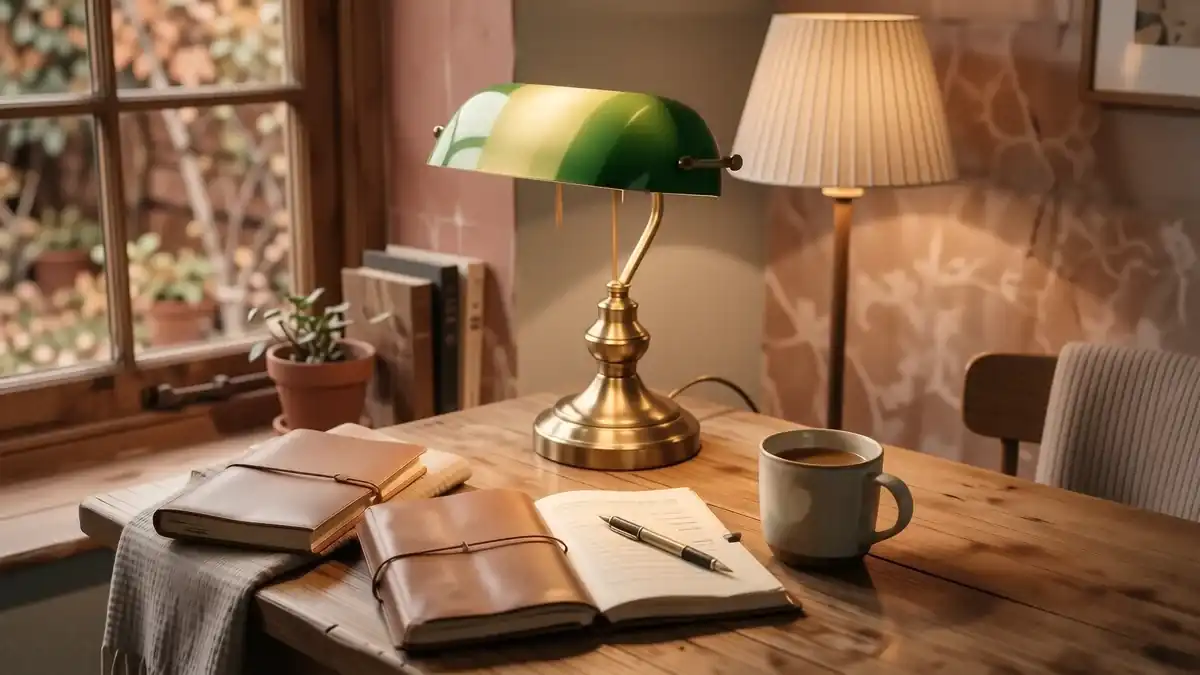
7 Cozy Office Lighting Ideas for a Calmer Workspace
Warm, lived-in cozy office lighting ideas for real homes.
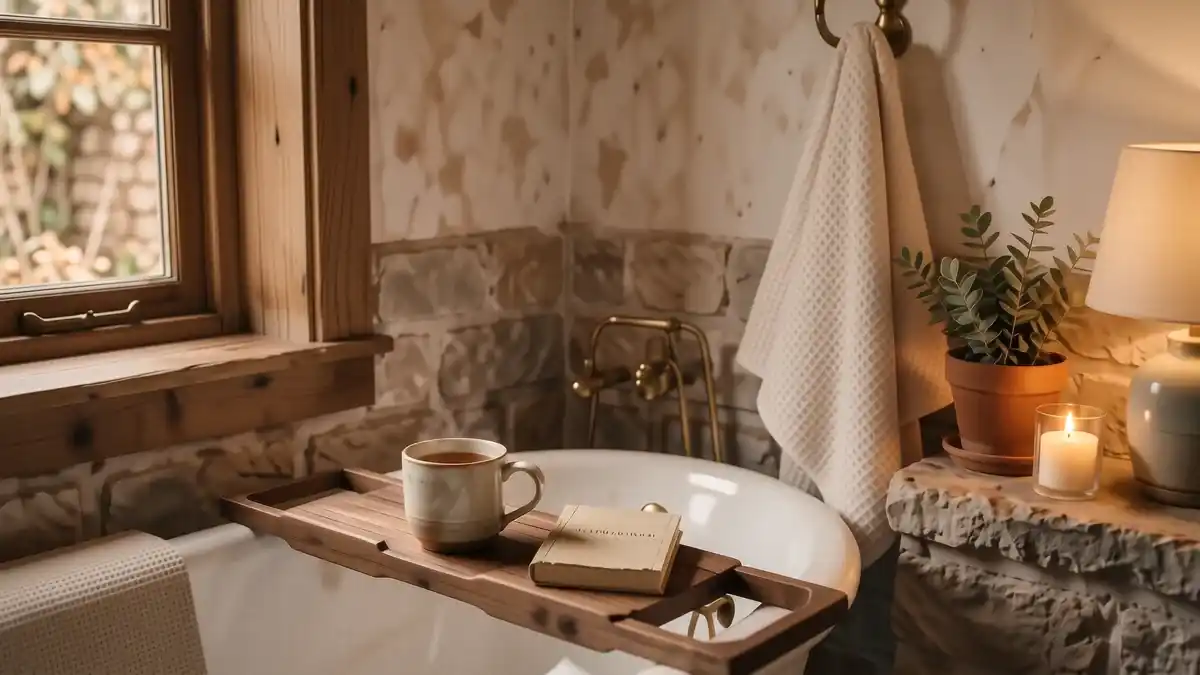
Simple Cosy Bathroom Ideas for a Warm Retreat
Cosy bathroom ideas that actually work. From warm lighting to soft textures, learn how to create a relaxing sanctuary this weekend.