How to Create Cozy Home Office Decor That Actually Works
 Save
Save The hum of a laptop shouldn’t feel like a cold interruption to your day. A well-styled workspace offers more than just a place to type; it provides a soft landing for your focus and creativity. We will look at specific ways to turn a sterile desk into a warm, soulful nook.
The Foundation of Softness
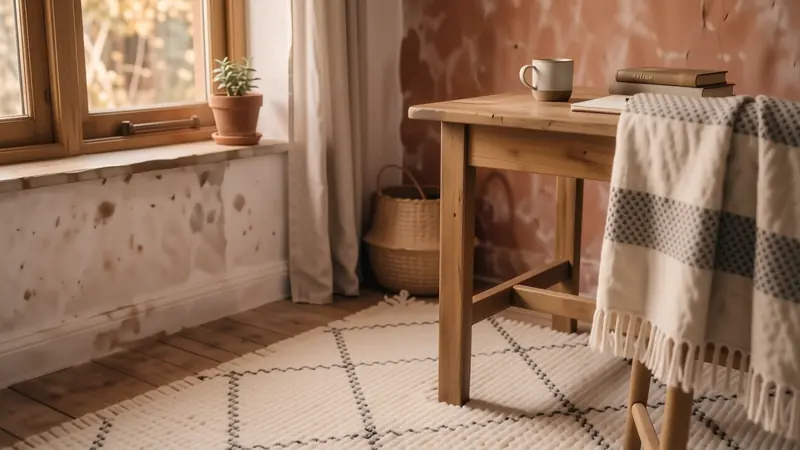
Start with what lies beneath your feet. A cold hardwood floor or thin office carpet can make even the most expensive chair feel clinical and uninviting. Instead, look for a high-pile wool rug or a thick jute weave to anchor the zone. I personally love the heavy, comforting weight of an 8x10 Moroccan Berber rug with its cream base and charcoal geometric lines. It absorbs sound effectively while adding immediate visual warmth.
A cozy home office rug defines the boundaries of your work life. When you step onto that soft texture, your brain receives a signal to settle in. Choose something with a low enough pile that your desk chair can still glide easily across the surface. If you are renting, an area rug is the fastest way to hide ugly commercial carpeting without any permanent changes.
Layering Warm Light
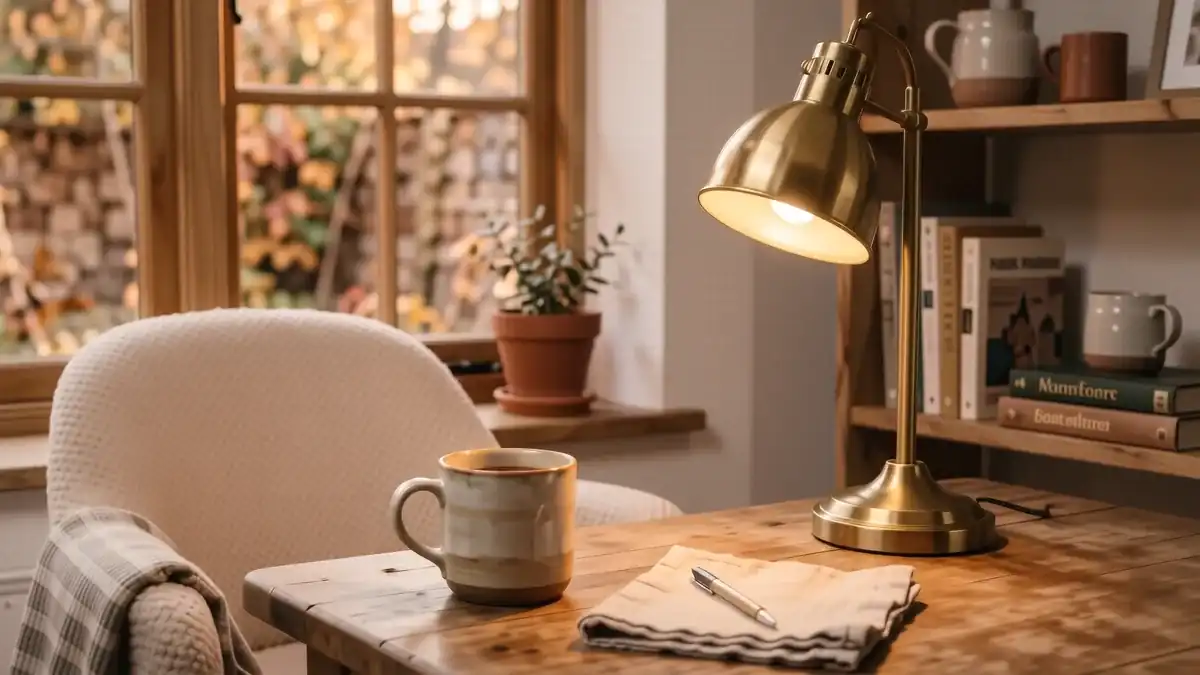
Overhead fluorescent lights are the enemy of calm. They flatten colors and create harsh shadows that lead to eye strain by 3:00 PM. To fix this, you need layers. Aim for a mix of task lighting and ambient glow. A brass architect lamp on your desk provides focused light for reading documents, while a small pleated shade lamp in the corner softens the entire room.
Stick to warm color temperatures. Look for bulbs labeled 2700K or 3000K on the packaging. This mimics the golden hour glow that makes a space feel lived-in rather than sterile. Avoid anything above 4000K, as it feels like a hospital corridor. Small battery-operated LED candles can also sit on a bookshelf to add tiny flickers of light during late afternoon sessions.
Tactile Textures for Focus
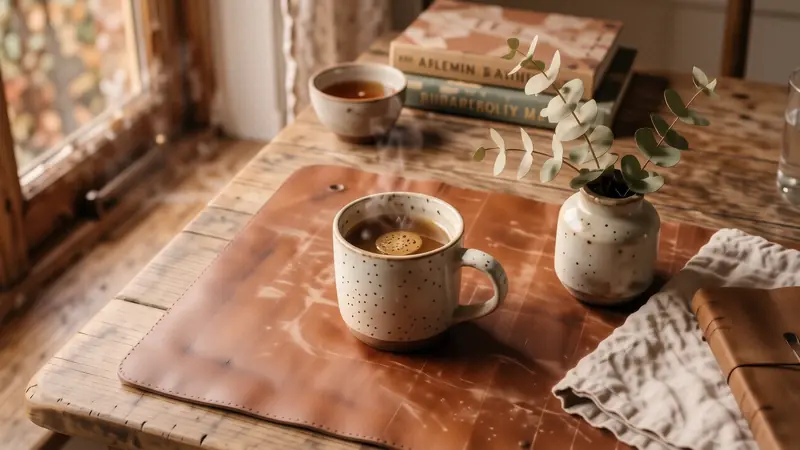
Your hands touch your environment constantly. If your desk surface is cold metal or laminate, it feels unyielding. Introduce natural materials to soften the edges of your workday. A large vegan leather desk mat in a muted terracotta shade provides a warm place for your wrists to rest while you type.
Bring in organic elements too. A heavy ceramic mug from a local potter holds heat better than thin porcelain and adds a grounded, handmade feel to your morning coffee routine. You might also consider a small linen-covered pinboard for notes. These tactile shifts prevent the digital fatigue that comes from staring at glass screens all day long.
The Japandi Influence
If you prefer minimalism but fear it feels empty, look toward Japandi office decor. This style blends Japanese functionality with Scandinavian comfort. It relies on clean lines and an intentional lack of clutter to create mental clarity. You don’t need much. A single wooden tray to hold your pens and a small bonsai or a simple olive tree in a matte clay pot is often enough.
Keep your color palette strictly neutral. Think oatmeal, sand, and soft charcoal. This prevents visual noise from distracting you during deep work sessions. The goal is a space that feels curated rather than crowded. Use low-profile furniture to keep the sightlines open and airy.
Personal Touches Without the Mess
A workspace should reflect you, but a desk covered in knick-knacks is just a distraction. The secret lies in intentionality. Instead of ten small trinkets, choose one or two meaningful items. Perhaps it is a vintage brass paperweight from a trip to London or a framed sketch from a local artist.
Use your walls to tell a story without taking up precious desk real estate. Floating shelves are excellent for this. They allow you to display books and small objects vertically. If you are in a rental, use command strips to hang lightweight wooden frames featuring botanical prints or landscape photography in muted tones.
Taming the Tech
Nothing ruins a cozy atmosphere faster than a bird’s nest of black plastic cables. Visible wires scream ‘office’ in a way that feels chaotic rather than calm. To maintain your hygge vibe, you must hide the hardware. Use a woven felt cable management box to tuck away power strips and extra cords.
Cable clips can also be life-savers. Stick them to the underside of your desk to guide charging wires out of sight. If you have a laptop, consider a wooden docking station that blends into your decor. When the technology disappears, the soul of the room finally has space to breathe.
Creating a Cozy Corner Office
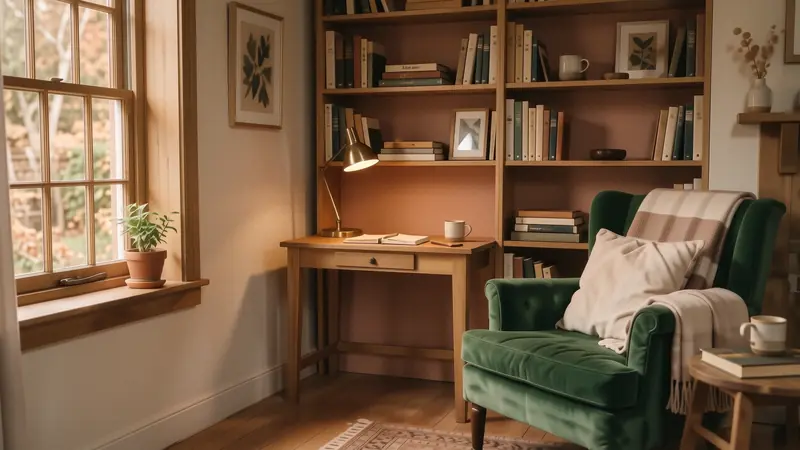
Not everyone has a dedicated room for work. If you are working from a bedroom or living room, you need to create a visual boundary. A cozy corner office can be established using a small armchair placed at an angle or a tall bookshelf used as a divider. This creates a psychological ‘work zone’ that you can physically step out of.
A floor lamp with a heavy base can act as a pillar for this zone. Use a small side table to hold your tea and notepad, making the space feel like its own little world. By defining these edges, you prevent work from bleeding into every single corner of your living space.
The Basement Sanctuary
Basements often suffer from low light and a lack of character. To turn a cozy basement office into a productive sanctuary, you must fight the gloom. Layering is your best friend here. Since natural light is limited, rely heavily on floor lamps and even some dimmable LED strip lights behind your monitor to reduce eye strain.
Warm colors are essential in underground spaces. Avoid cool greys which can feel damp or cold. Instead, opt for warm whites or soft peach tones on the walls. Adding a large mirror can also help bounce whatever light you do have around the room, making the space feel less enclosed and much more inviting.
The Scent of Productivity
Our sense of smell is tied directly to our moods. A candle or a subtle diffuser can change the entire energy of your desk. For focus, try scents like rosemary, lemon, or peppermint. If you want something more comforting for creative writing, sandalwood or cedarwood offers a grounded, earthy atmosphere.
Avoid overly sweet or heavy floral scents that might give you a headache during long stretches of concentration. A simple reed diffuser in a glass bottle is a low-maintenance way to keep a consistent scent profile throughout the week. It stays subtle but present.
Frequently asked questions
How can I make my office cozy without spending much money?
Focus on lighting and texture. Swapping a cool bulb for a warm 2700K one is cheap, and adding a thrifted linen throw over your chair adds instant warmth.
What colors are best for a productive home office?
Muted greens and blues promote calm focus. Warm neutrals like oatmeal or sand prevent the room from feeling too sterile or cold.
Is Japandi style good for small spaces?
Yes, because it emphasizes decluttering and uses functional, low-profile furniture that keeps a small area feeling open.
How do I hide ugly computer wires in a cozy room?
Use woven felt boxes or wooden cable organizers to turn messy cords into a tidy, intentional part of your decor.
More ideas → Cozy Home Office Ideas
Keep reading
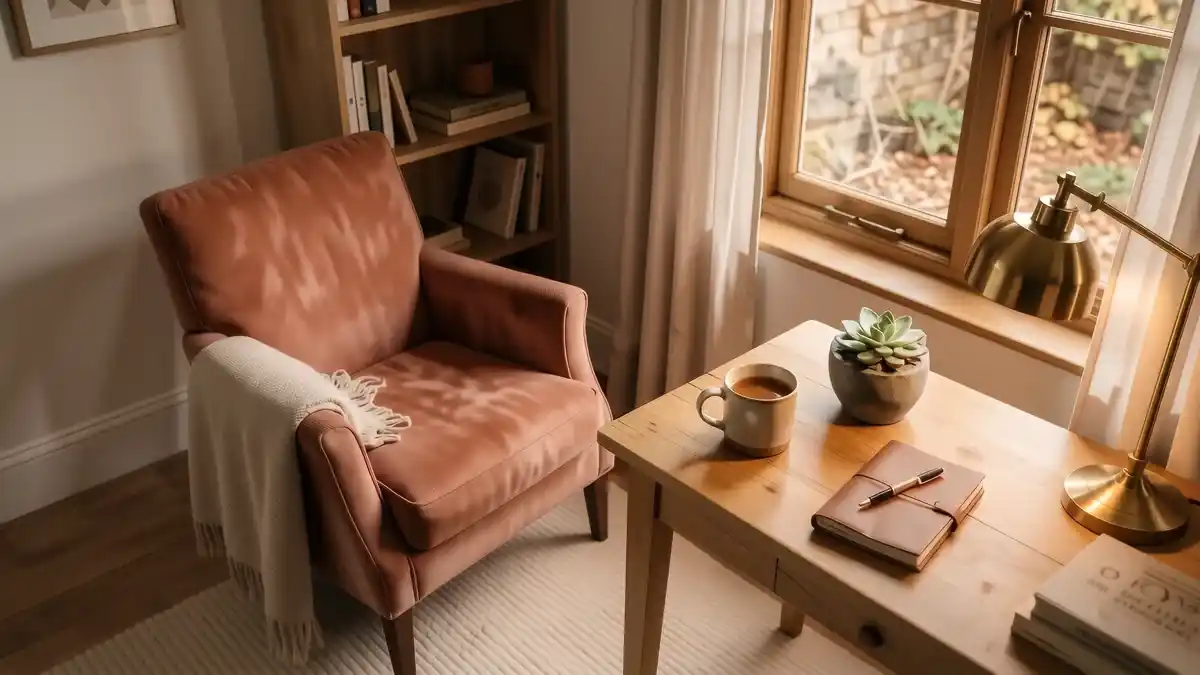
How to Choose a Cosy Home Office Chair
Simple cosy home office chair that shift the whole mood. Discover specific textures, lighting tips, and renter-friendly styling ideas for comfort.
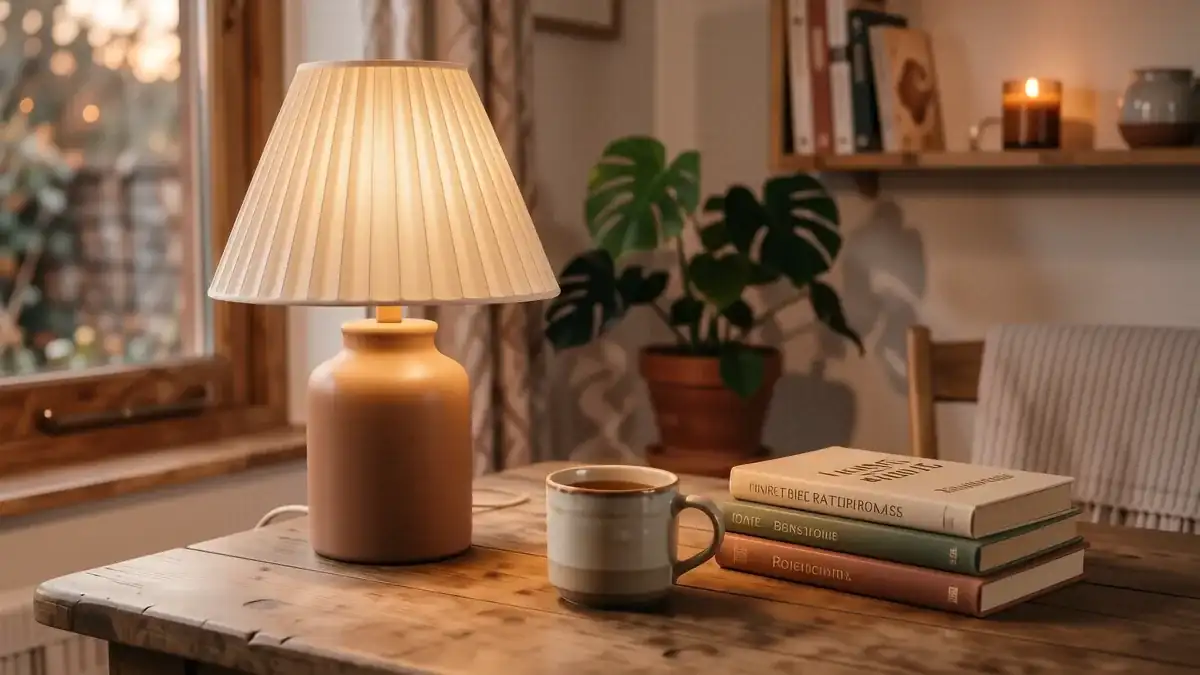
How to Master Cozy Home Office Lighting
Simple cozy home office lighting that shift the whole mood.
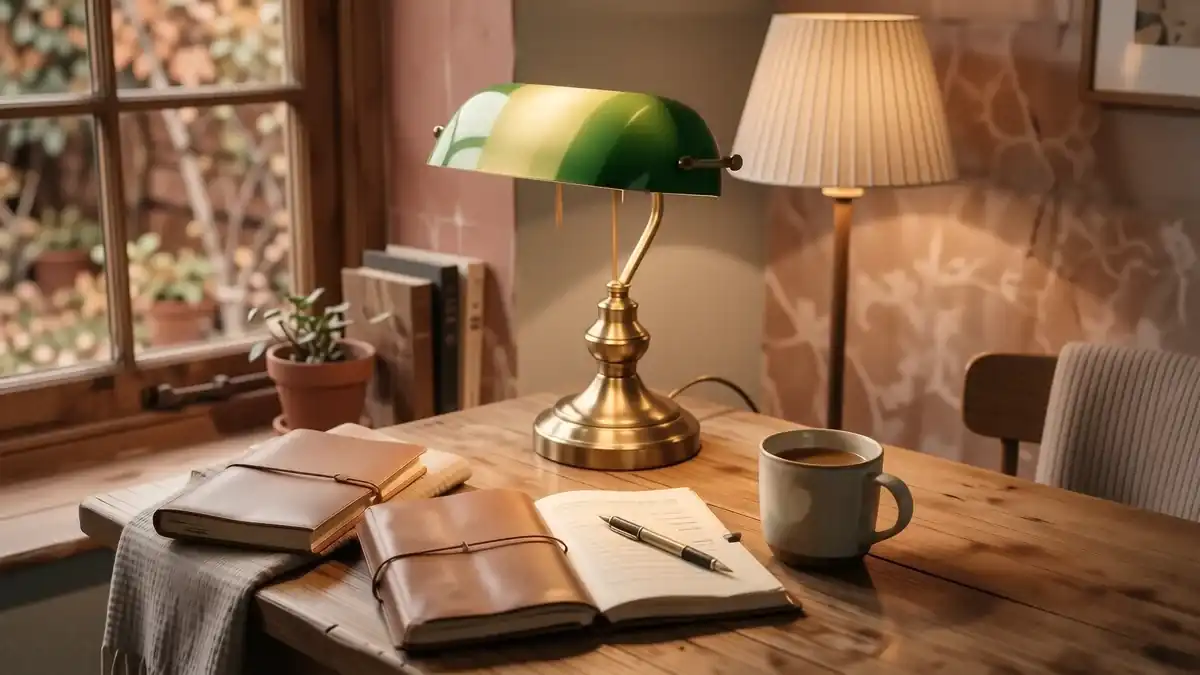
7 Cozy Office Lighting Ideas for a Calmer Workspace
Warm, lived-in cozy office lighting ideas for real homes.
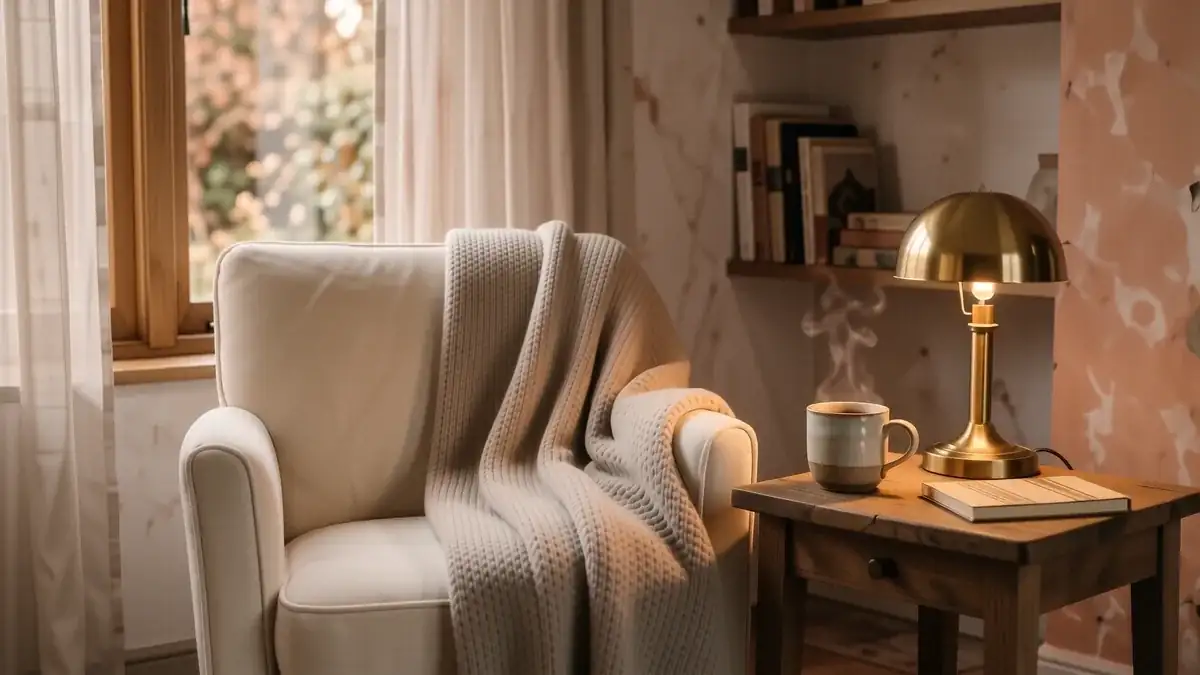
Simple Ways to Create Cozy Home Decor This Weekend
Cozy home decor that actually work. Learn how to use warm lighting, soft textures, and tactile materials for a slower pace of living.