Simple Ways to Create Cozy Home Decor This Weekend
 Save
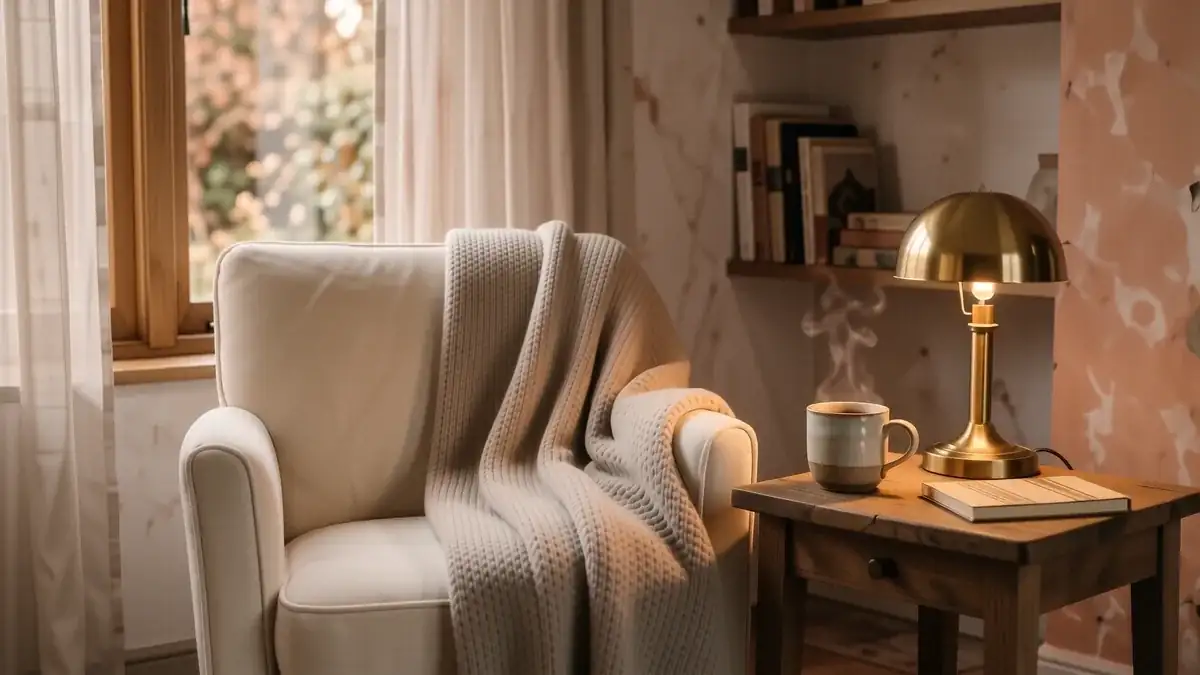
Save That heavy, wonderful feeling of sinking into a chair while rain hits the window is something we all crave. You can build that atmosphere starting today without an expensive renovation or a massive overhaul of your furniture.
The Warmth of Low Lighting
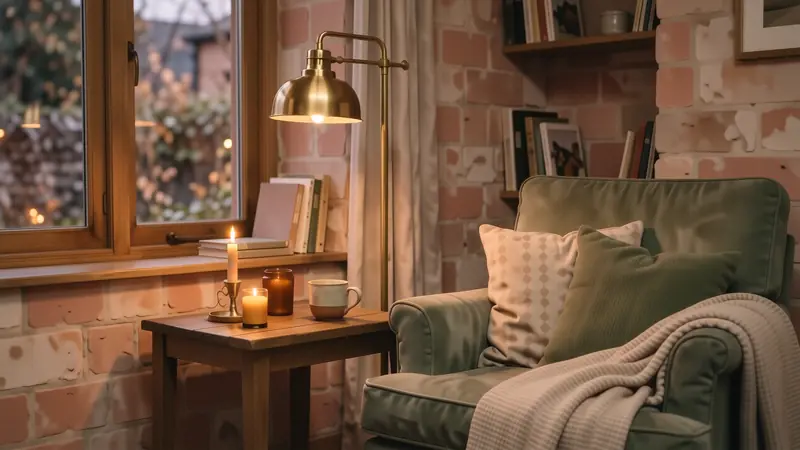
Harsh overhead lights destroy any attempt at relaxation. If you are still using the big light in your living room, stop immediately. Instead, aim for a layered approach that relies on several small sources of warmth throughout the space.
Look for bulbs with a temperature of 2700K or lower to get that amber glow reminiscent of a sunset. You can place a small pleated shade lamp on a bookshelf or use plug-in wall sconces if you are renting an apartment in London or New York.
- Use dimmable smart bulbs.
- Add battery-operated brass candles.
- Place floor lamps near reading nooks.
Soft light makes corners feel safe and intimate. A single lamp tucked behind a large leafy plant creates beautiful, dappled shadows on your walls.
Layering Tactile Textures
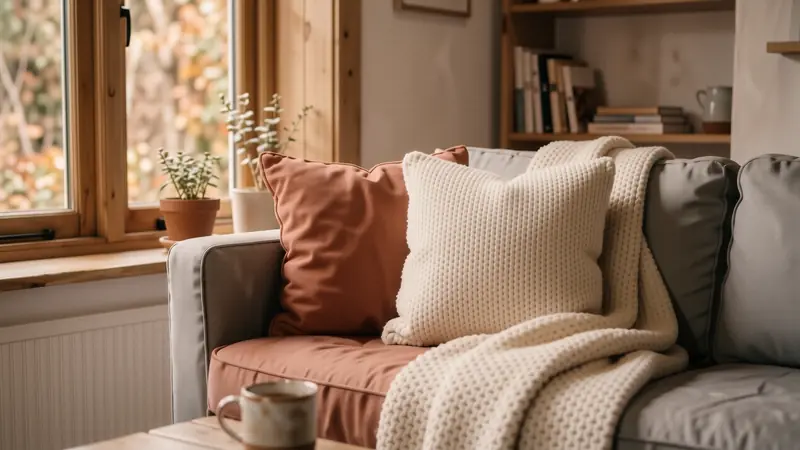
Texture is the secret language of comfort. A smooth leather sofa can feel cold, but adding a heavy chunky knit throw instantly changes its personality. You want to mix materials that invite you to touch them.
Try pairing a rough jute rug with something much softer, like a high-pile wool rug or sheepskin faux fur. This contrast prevents the room from looking flat or one-dimensional. I personally love using linen cushion covers in muted terracotta shades because they feel lived-in rather than stiff and formal.
Focus on weight. A heavy cotton quilt feels more grounding than a thin polyester sheet. When you layer these elements, you create depth that catches the eye and warms the body.
Bringing the Outside In
Nature has a way of calming our nervous systems. You don’t need a massive indoor jungle to achieve this effect. Even one or two sturdy plants can ground a room and add much-needed organic shapes.
A large Ficus lyrata in a terracotta pot adds height and drama to an empty corner. If you lack a green thumb, dried eucalyptus in a stoneware vase provides a similar earthy aesthetic without the maintenance. The key is to avoid plastic pots; stick to clay, ceramic, or wood to keep the vibe natural.
Small details matter too. A bowl of smooth river stones on a coffee table adds a quiet, sculptural element that feels very intentional.
Scented Sanctuaries
We often forget that cozy home decor involves our sense of smell. A room can look perfect, but if it smells like stale air or cleaning chemicals, the magic vanishes. You want a scent profile that feels steady and quiet.
Avoid overly sweet, synthetic fruit scents. Instead, opt for woodsy notes like cedarwood, sandalwood, or vetiver. Lighting a soy-based candle with a wooden wick provides both a gentle aroma and a subtle crackling sound that mimics a fireplace.
You might also consider an essential oil diffuser using a blend of lavender and bergamot. This creates a consistent backdrop of calm that greets you the moment you walk through your front door.
Curating Your Coffee Table
The coffee table is the heart of your seating area. It shouldn’t just be a place to drop mail or remote controls. Instead, treat it as a small stage for things that bring you peace.
Start with a tray made of dark wood or woven seagrass to group items together. This prevents the surface from looking cluttered and messy. On your tray, place one heavy art book, a small ceramic bowl for holding keys, and perhaps a single candle.
Leave some empty space so the arrangement can breathe. A crowded table feels frantic, whereas a sparse, thoughtful one invites you to sit down and stay a while.
Warm Color Palettes
Color dictates the temperature of your home. If you live in an area with lots of grey skies, leaning into warm tones can help combat seasonal blues. You don’t have to paint every wall to see this change.
Incorporate colors like oatmeal, sage green, or a deep ochre through smaller items. A single mustard-colored velvet pillow can act as a focal point against a neutral sofa. These hues mimic the colors found in nature during autumn, which our brains naturally associate with coziness and rest.
Avoid stark whites. They can feel clinical under artificial light. Choose creamy off-whites or very pale sands instead to keep the atmosphere soft.
The Power of Bookshelves
Bookshelves are more than just storage for your reading list. They are opportunities to display your personality and create visual warmth through varied heights and textures.
Don’t line them up perfectly like a library; that feels too rigid. Instead, stack some books horizontally and others vertically. This creates natural ledges for small objects like a hand-thrown pottery piece or a vintage brass clock from the 1970s.
Integrating greenery among your books is also an excellent trick. A trailing ivy plant on the top shelf can soften the hard lines of the shelving unit and add life to the room.
Personal Touches and Memories
A home that feels too much like a showroom often lacks soul. True coziness comes from the items that tell your story. These are the things that make you feel truly settled.
Display framed photos in mismatched wooden frames or perhaps a piece of textile art you found at a local market. It doesn’t have to be expensive. A collection of smooth stones from a trip to Cornwall or a dried flower from a special occasion can sit on a mantle and hold deep meaning.
These small, meaningful objects act as anchors for your identity within the space. They remind you that this room is yours alone.
Creating a Nook
Every home needs a dedicated spot for slow living. This might be a corner by a window or even just a specific chair in the bedroom. The goal is to signal to your brain that this area is for rest.
Equip your nook with everything you need so you don’t have to leave once you get comfortable. A small side table for tea, a dedicated reading lamp, and a soft footstool make a huge difference.
When you sit in this spot, try to keep your phone in another room. This physical boundary helps turn your cozy home decor into a functional ritual of relaxation.
Frequently asked questions
How can I make a rental feel cozy without painting?
Focus on removable elements like peel-and-stick wallpaper, large area rugs to cover cold floors, and plenty of warm lighting through lamps.
What is the best light temperature for a living room?
Aim for bulbs between 2400K and 2700K. This range provides a soft, golden glow that feels much more relaxing than bright white lights.
Are plants actually good for home atmosphere?
Yes, plants add organic shapes and natural colors that break up the hard lines of furniture, making a space feel more lived-in and calm.
How do I stop my house from feeling cluttered but still cozy?
Use trays to group small items together. This creates 'zones' on your surfaces so the decor looks intentional rather than messy.
More ideas → Hygge & Slow Living at Home
Keep reading
How to Master Cozy Basement Decor This Weekend
These cozy basement decor make any room feel warmer. Learn about warm lighting, soft textures, and renter-friendly styling tips.
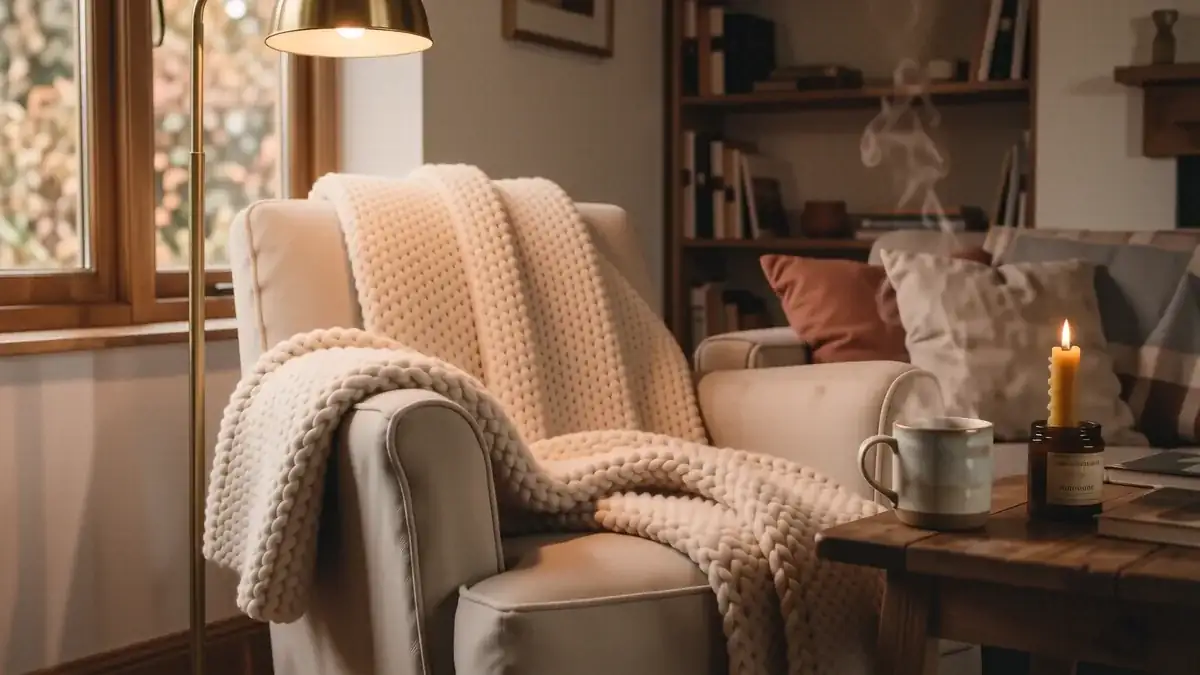
Practical Hygge Home Ideas for a Cozier Weekend
Hygge home ideas worth trying tonight. Learn how to use warm light, soft textures, and organic materials to find calm.
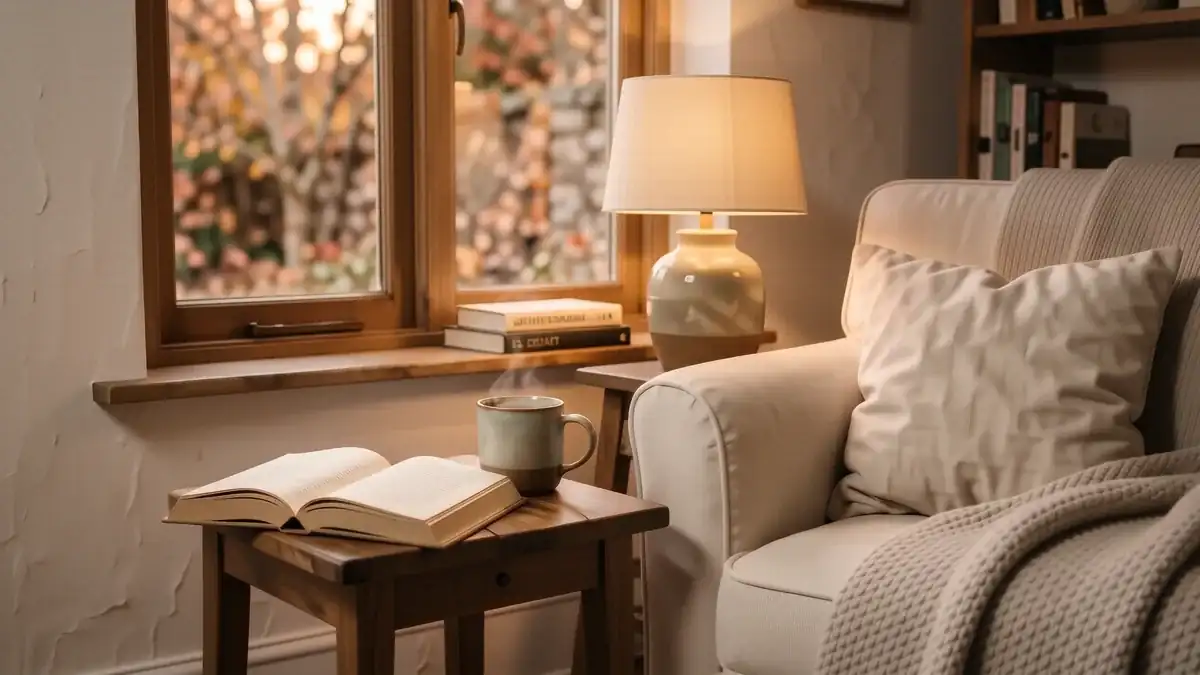
Practical Hygge House Ideas for a Cozier Home
These hygge house ideas make any room feel warmer. Learn how to use warm light, soft textures, and natural materials to create comfort.
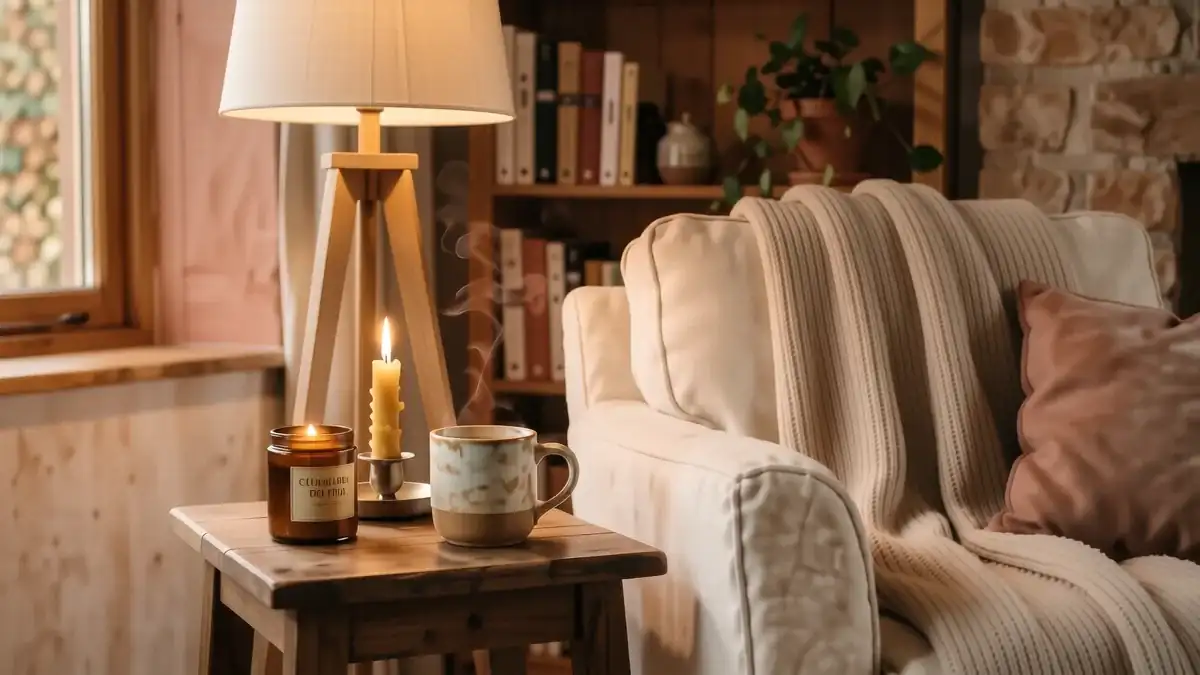
Small Steps Toward Intentional Slow Living Decor
Warm, lived-in slow living decor for real homes. Learn how to use natural textures, warm lighting, and tactile materials to find calm.