Small Steps Toward Intentional Slow Living Decor
 Save
Save Your home should feel like a deep exhale after a long day. We are moving away from the clutter of constant consumption toward a more rhythmic, intentional way of inhabiting our rooms.
The art of curation over collection
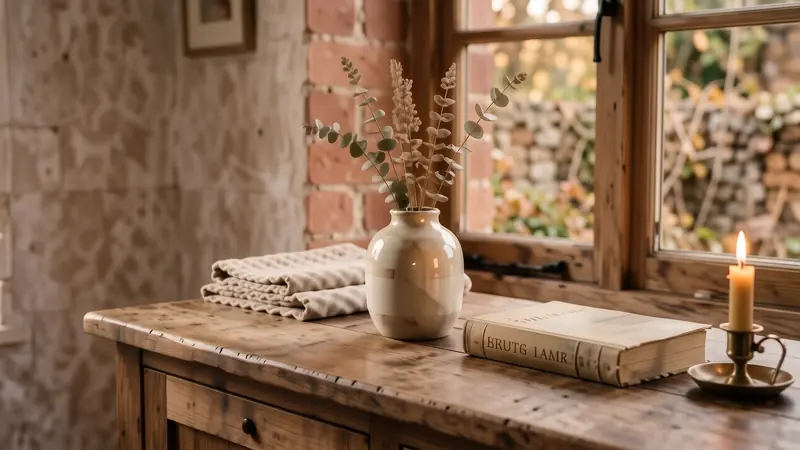
True slow living decor starts when you stop buying things just to fill empty corners. Instead, look at your bookshelf or coffee table as a gallery for objects that actually hold meaning for you. A heavy stoneware mug from a local potter in Devon carries more weight than a set of twelve identical factory-made cups.
Try this weekend: clear one single surface completely. Wipe it down with linseed oil soap. Only bring back three items—perhaps a smooth river stone, a well-loved paperback, and a small ceramic tray. This creates breathing room for your eyes to rest without jumping from one bright object to the next.
- Choose objects with history.
- Prioritize quality over quantity.
- Leave negative space on shelves.
Layering textures for tactile comfort
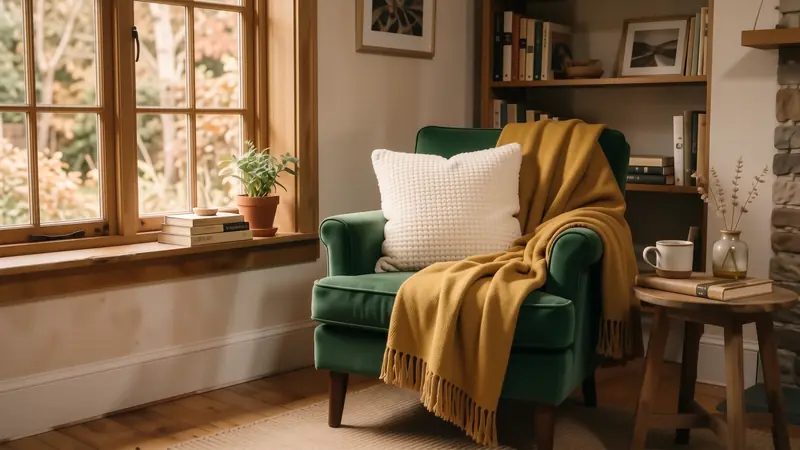
Softness is a sensory requirement, not an optional extra. When we touch things that feel grounded and organic, our nervous systems tend to settle more quickly. Avoid the slick, synthetic finish of polyester blends which can feel cold and impersonal against your skin.
Instead, lean into materials like heavy-weight linen, chunky wool knits, and boucle. If you are renting, a large jute rug in a warm oatmeal shade can instantly ground a room that feels too airy or disconnected. I love the way a thick, hand-woven cotton throw looks draped over the arm of a mid-century chair.
Mix your weights carefully. Pair a smooth velvet cushion with a rougher flax linen pillow to create depth without needing bright colors. It is about how the room feels under your fingertips as much as how it looks in photos.
Mastering the warmth of light
Light dictates the mood of every room you inhabit. Harsh overhead LEDs are the enemy of a slow home decor style because they flatten textures and create a sterile atmosphere. You want to avoid anything above 3000K if you seek true coziness.
Aim for bulbs in the 2700K range to mimic the golden glow of sunset. This temperature makes warm wood tones pop and turns white walls into soft cream. Place small lamps at different heights throughout your living area—a task lamp by a chair, a small globe light on a side table, and perhaps some dimmable floor lighting.
Small changes make big impacts. Swapping out three bright bulbs for warm-toned ones can change your entire evening ritual. It encourages you to sit down rather than rush through tasks under glaring lights.
Bringing the outside in
Nature is the ultimate slow living influence. Bringing organic elements indoors helps bridge the gap between our indoor lives and the changing seasons. You do not need a massive jungle of houseplants to achieve this effect.
A single, sculptural branch placed in a tall glass vase can feel more intentional than ten small succulents crowded on a windowsill. If you find yourself drawn to the slow lane life, observe how plants change color or leaf shape as months pass. This encourages a slower pace of observation within your own four walls.
Consider using dried botanicals like eucalyptus or pampas grass if you want something low-maintenance. These textures add an airy, muted terracotta feel to a room without the constant need for watering and pruning.
The importance of natural palettes
Color has a psychological weight that we often overlook during decorating. High-contrast, neon, or overly saturated colors can keep the brain in a state of high alert. For a home that supports rest, stick to a palette derived from the earth.
Think about muted terracotta, sage green, sand, and charcoal. These shades act as a quiet backdrop for your life to unfold. When choosing paint or textiles, test them in different lights. A color that looks like warm oatmeal in the morning might turn slightly grey by 4 PM under artificial light.
Use a 60-30-10 rule for balance. Use a neutral base for 60% of the room, a secondary soft tone for 30%, and a deeper accent color for the final 10%. This structure prevents a room from feeling chaotic or unfinished.
Creating ritual through functional decor
Slow living isn’t just an aesthetic; it is a way of doing things. Your decor should facilitate your daily rituals rather than getting in the way. A dedicated tea station or a beautiful wooden tray for your morning coffee can turn a habit into a moment of mindfulness.
If you use a specific bowl every day, place it somewhere visible and beautiful. It shouldn’t be hidden in a high cupboard. When objects are placed with intention, they become part of the home’s rhythm. This is particularly helpful for renters who cannot change much about the structure but can control their tabletop items.
A small ceramic tray by the front door for your keys and mail helps prevent the clutter that causes mental friction. It turns a messy habit into an organized transition between the outside world and your sanctuary.
Slowing down your shopping habits
The most sustainable way to decorate is to buy less. We often feel the urge to refresh our space every season, but this leads to a cycle of waste and clutter. Instead, try a seasonal rotation of small items rather than buying new furniture.
You might swap out your bright summer linen cushions for heavier velvet ones in November. This gives you the feeling of a ‘new’ room without the environmental cost or the financial strain. It is about working with what you already own and finding new ways to style them.
When you do decide to purchase something, wait 30 days. Ask yourself if the piece will still bring you peace a month from now. This pause helps filter out impulse buys that eventually just gather dust in a corner.
The quiet power of scent
A room is not truly finished until it has a scent that anchors you. Smells are tied closely to memory and emotion, making them perfect tools for setting an atmosphere. Avoid heavy, synthetic air fresheners that can feel overwhelming in small spaces.
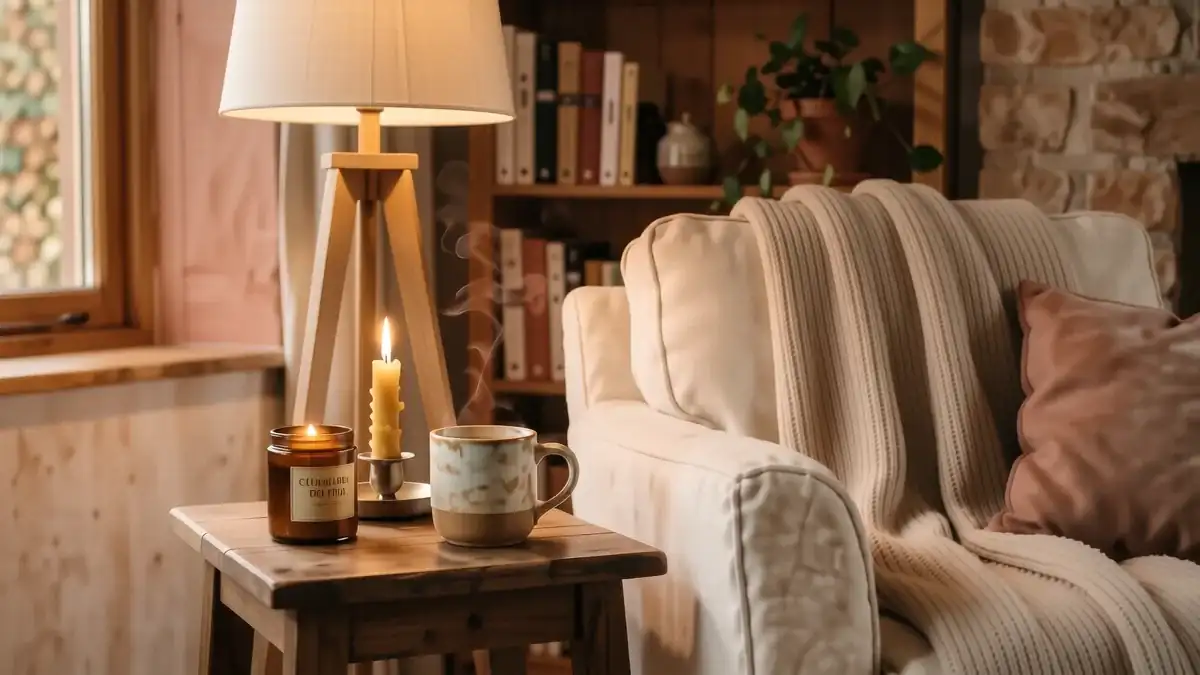
Opt for beeswax candles or essential oil diffusers using pure oils like cedarwood or sandalwood. These scents feel grounded and woody. A scent that reminds you of a forest walk or a summer garden can instantly signal to your brain that it is time to slow down.
Place a candle on a small stone coaster to protect your surfaces. The flicker of a real flame adds a moving element of light that digital screens simply cannot replicate. It creates a tiny, living focal point in the room.
Frequently asked questions
How can I start slow living decor if I am on a budget?
Focus on decluttering first to see what you actually love. Then, look for second-hand natural materials like wooden bowls or linen throws at thrift stores.
Does slow living decor mean everything must be beige?
Not at all. It means choosing colors that feel calm and connected to nature, such as deep forest greens, muted blues, or warm clays.
Is this style hard to maintain in a busy house?
Actually, it is easier because you have fewer things to clean. A curated space with intentional objects is much simpler to keep tidy than a cluttered one.
What are the best plants for a cozy atmosphere?
Look for plants with soft textures or interesting shapes, like a rubber tree or trailing ivy, rather than sharp-edged cacti.
More ideas → Hygge & Slow Living at Home
Keep reading
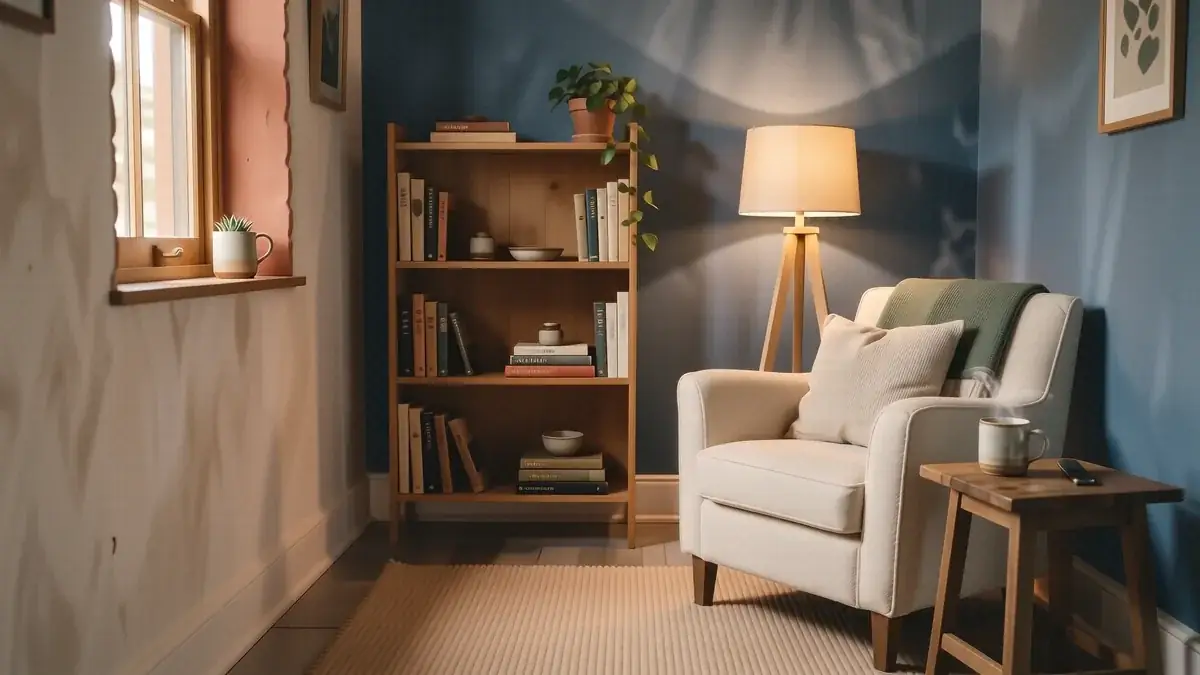
How to Master Cozy Basement Decor This Weekend
These cozy basement decor make any room feel warmer. Learn about warm lighting, soft textures, and renter-friendly styling tips.
Simple Ways to Create Cozy Home Decor This Weekend
Cozy home decor that actually work. Learn how to use warm lighting, soft textures, and tactile materials for a slower pace of living.
Practical Hygge Home Ideas for a Cozier Weekend
Hygge home ideas worth trying tonight. Learn how to use warm light, soft textures, and organic materials to find calm.
Practical Hygge House Ideas for a Cozier Home
These hygge house ideas make any room feel warmer. Learn how to use warm light, soft textures, and natural materials to create comfort.