How to Master Cozy Basement Decor This Weekend
 Save
Save Basements often feel like cold, concrete storage lockers rather than living spaces. You can change that feeling by layering warmth through intentional color choices and tactile fabrics.
Warm Up the Floor
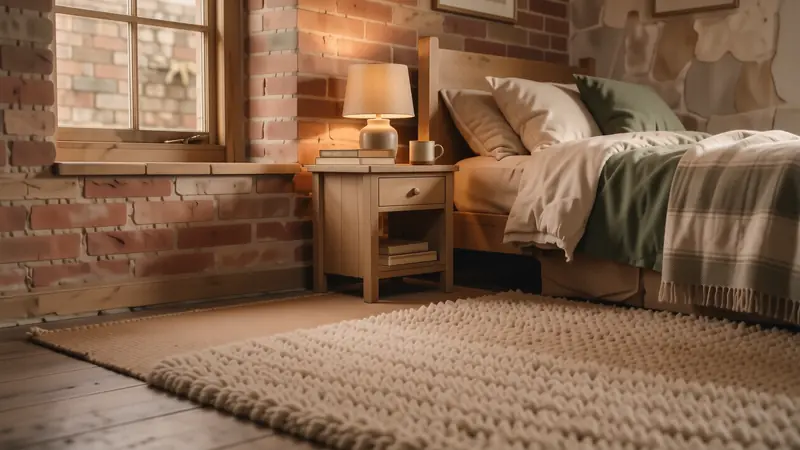
Hard floors in a lower level act like a heat sink, pulling warmth away from your feet. To fix this, you need a heavy-weight cozy basement rug that covers at least 65% of the seating area. Avoid thin, flat-weave cotton mats. Instead, look for high-pile wool or a thick shag in a muted oatmeal shade. If you are renting, use a non-slip felt rug pad underneath to add an extra inch of cushioning and sound dampening.
A large jute rug layered with a smaller sheepskin can also create depth. It feels grounded.
- Choose wool for durability.
- Opt for cream or sand tones.
- Size up; small rugs make rooms feel cramped.
Softening the Walls
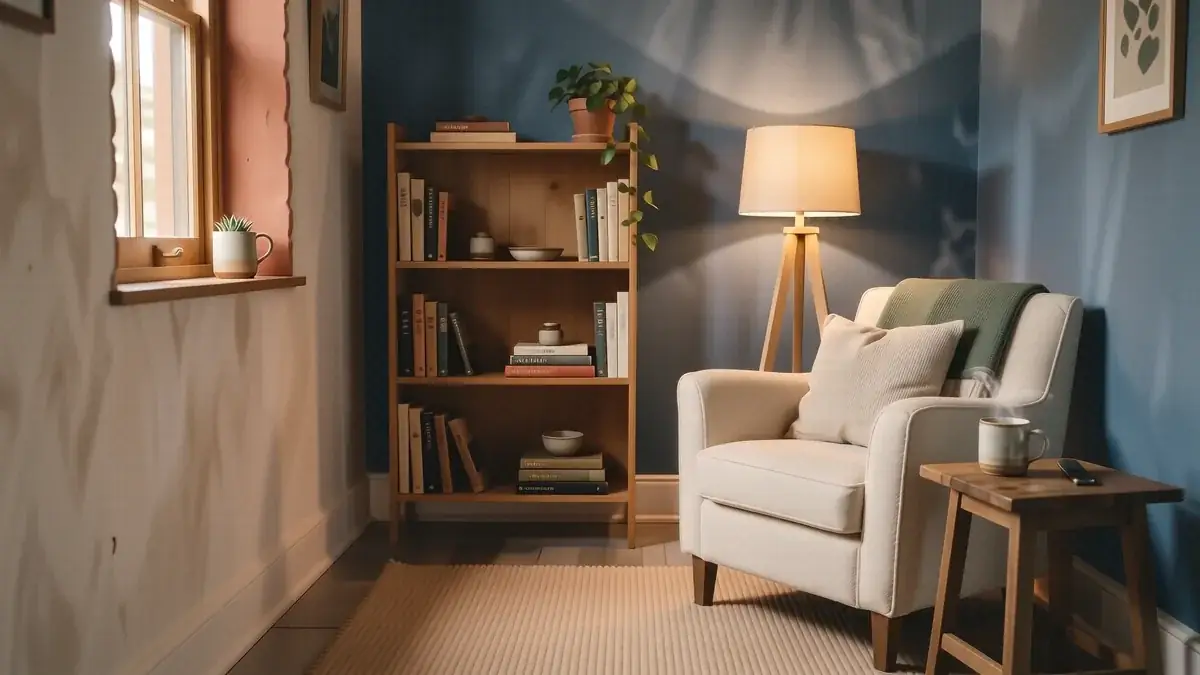
Bare drywall often feels sterile and echoes every small sound. You can dampen that acoustic bounce by hanging heavy linen curtains or even fabric tapestries across wide expanses of wall. If you want a cozy blue basement vibe, skip the bright navy and reach for a dusty slate or a muted indigo. These tones recede visually, making the walls feel further away than they actually are.
Paint is your best tool here. Use a matte finish to prevent harsh light reflections from bouncing off the surface.
A single accent wall in a deep terracotta can ground a large, open basement room.
The Magic of Low-Kelvin Lighting
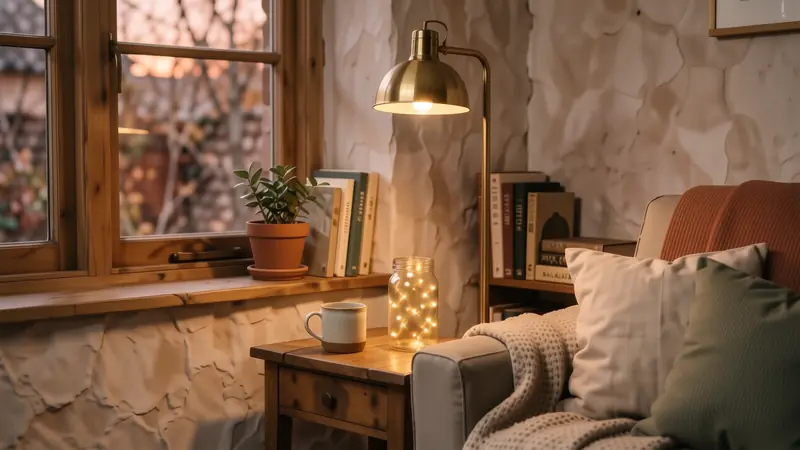
Standard overhead recessed lights are the enemy of comfort. They cast unflattering shadows and feel clinical. To create an inviting atmosphere, you must switch to bulbs with a temperature of 2700K or lower. This creates that golden, candle-lit glow we all crave during long winter evenings.
Layer your light sources instead of relying on one big switch. Place a brass floor lamp next to a reading chair and add small rechargeable LED lamps on bookshelves for ambient warmth.
- Use 2700K warm white bulbs.
- Avoid cool daylight (5000K+).
- Add dimmers wherever possible.
Curating a Cozy Basement Den
A den should feel like a hug. This means prioritizing deep seating over formal arrangements. A velvet loveseat in a forest green or an oversized boucle chair provides the perfect anchor for a relaxation zone. Avoid spindly furniture legs that look too delicate for a basement environment; go for chunkier wooden bases.
Scatter several throw pillows of varying sizes across your sofa. Mix materials like heavy knit cotton and smooth silk to prevent the space from looking flat.
It feels intentional. A well-placed ottoman can double as extra seating or a footrest.
Creating an Intimate Bar Corner
You don’t need a built-in to enjoy a cozy basement bar. A simple mid-century sideboard or even a sturdy vintage dresser can serve this purpose perfectly. Style the surface with heavy glass decanters and a small tray in aged brass. This adds a touch of sophisticated texture without requiring any permanent renovations.
Lighting is key here too. Use a small, shaded table lamp on the bar surface to create a localized pool of light.
This keeps the rest of the room dim and moody. It invites guests to linger.
Embracing the Cozy Boho Basement Aesthetic
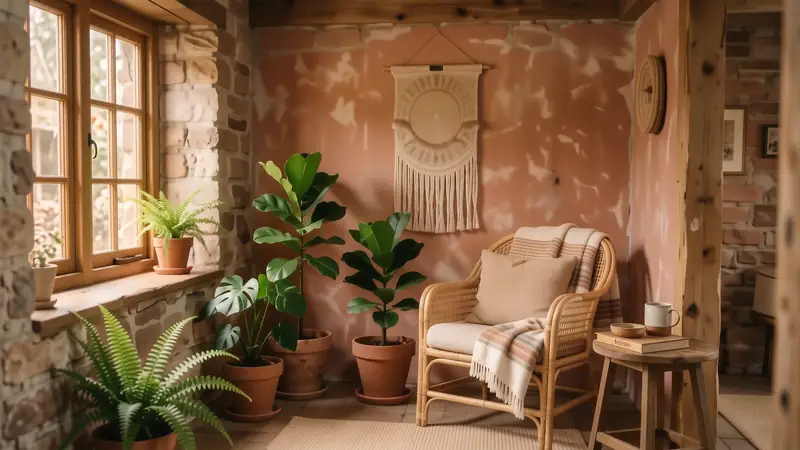
If you prefer a more relaxed look, lean into bohemian elements. This style thrives on imperfection and organic shapes. Incorporate rattan baskets for storage, macramé wall hangings, and plenty of greenery. Since basements often lack natural light, choose low-light plants like Snake Plants or ZZ Plants to bring life to the corners.
Use a palette of warm ochre, sage green, and burnt orange.
These colors feel earthy rather than artificial. Layering different patterns on your cushions can add that lived-in charm.
Managing the Dark Basement Feel
Many people struggle with a cozy dark basement because they fear it will feel like a cave. The trick is to embrace the shadows rather than fighting them with bright, white light. Use mirrors strategically to catch whatever light does enter from stairs or doorways. A large mirror with a thin gold frame can visually double your space.
Focus on high-contrast textures instead of high-brightness colors.
A dark charcoal wall looks much more expensive and cozy than a stark white one in a windowless room. It creates a sense of enclosure that feels safe.
Textural Layers for Comfort
Texture is the secret ingredient that separates a room from a home. In a basement, where surfaces are often hard and cold, you need to introduce soft, tactile elements everywhere. Think about how things feel when you touch them. A heavy wool throw draped over a chair or a linen cushion under your arm changes your physical relationship with the space.
Mix smooth and rough surfaces.
Combine a polished wooden coffee table with a chunky knit blanket. This contrast prevents the room from feeling one-dimensional or boringly soft.
Frequently asked questions
How can I make a basement feel less like a cellar?
Focus on warmth through lighting and textiles. Use 2700K bulbs to create a golden glow and add thick rugs to cover cold floors.
What colors work best for dark basements?
Muted earth tones like sage, terracotta, or dusty blue work well. They provide color without feeling overwhelming in low light.
Can I use plants in a basement?
Yes, but choose low-light varieties like Snake Plants or Pothos. You may also need a small grow light to keep them healthy.
Is a large rug necessary for a basement?
It helps significantly with both acoustics and warmth. Aim for a rug that sits under the front legs of your furniture.
More ideas → Hygge & Slow Living at Home
Keep reading
Simple Ways to Create Cozy Home Decor This Weekend
Cozy home decor that actually work. Learn how to use warm lighting, soft textures, and tactile materials for a slower pace of living.
Practical Hygge Home Ideas for a Cozier Weekend
Hygge home ideas worth trying tonight. Learn how to use warm light, soft textures, and organic materials to find calm.
Practical Hygge House Ideas for a Cozier Home
These hygge house ideas make any room feel warmer. Learn how to use warm light, soft textures, and natural materials to create comfort.
Small Steps Toward Intentional Slow Living Decor
Warm, lived-in slow living decor for real homes. Learn how to use natural textures, warm lighting, and tactile materials to find calm.