Practical Hygge Home Ideas for a Cozier Weekend
 Save
Save True comfort isn’t about expensive renovations or buying every trendy candle on the market. It is a quiet sense of contentment that settles in your chest when you walk through your front door after a long Tuesday. These hygge home ideas focus on small, tactile shifts you can make this weekend to turn your house into a sanctuary.
The Warmth of Low-Level Lighting
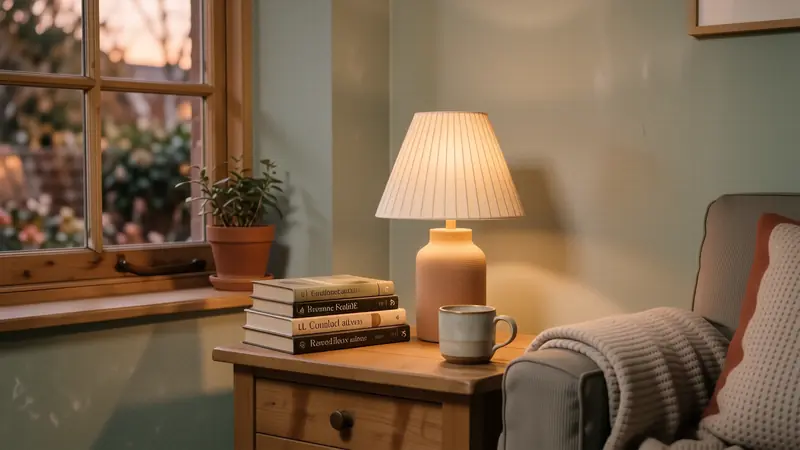
Harsh overhead lights kill any sense of calm. If you are still using the big light in your living room, stop immediately. Instead, aim for several small pools of amber light scattered around the room at different heights.
Swap out cool white bulbs for 2700K warm-toned LED options to mimic the glow of a sunset. You can place a small pleated lamp on a side table or use battery-operated tea lights inside amber glass votives. This layering technique creates depth and shadows that feel much more intimate than a single bright source.
- Use salt lamps for a soft, peach-toned glow.
- Place floor lamps near reading corners.
- Stick to dimmable smart bulbs where possible.
Layering Textures for Tactile Comfort
Softness is a sensory requirement for hygge. If your sofa feels cold or stiff, it needs more layers to invite you to sit down and stay a while.
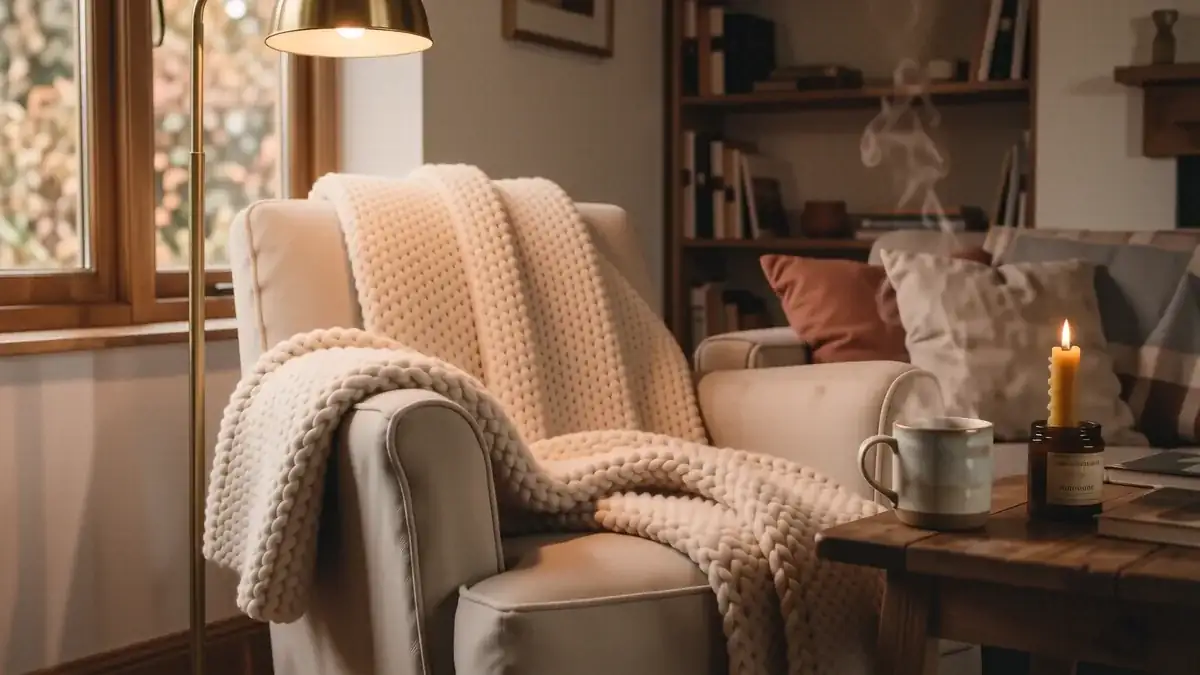
Reach for materials that have a physical weight to them, like a heavy chunky knit wool throw or a linen cushion in a muted terracotta shade. I love mixing different weaves—try pairing a smooth cotton pillow with a rougher boucle fabric to create visual interest without needing loud colors. Avoid synthetic, shiny fabrics that feel slick under your hands.
Natural fibers breathe better and age more gracefully over time. A thick jute rug can ground a room, while a sheepskin drape over a wooden chair adds immediate softness.
Bringing the Outside In
Nature has a way of grounding us when our indoor lives feel too digital or frantic. You don’t need a massive indoor jungle to achieve this effect.
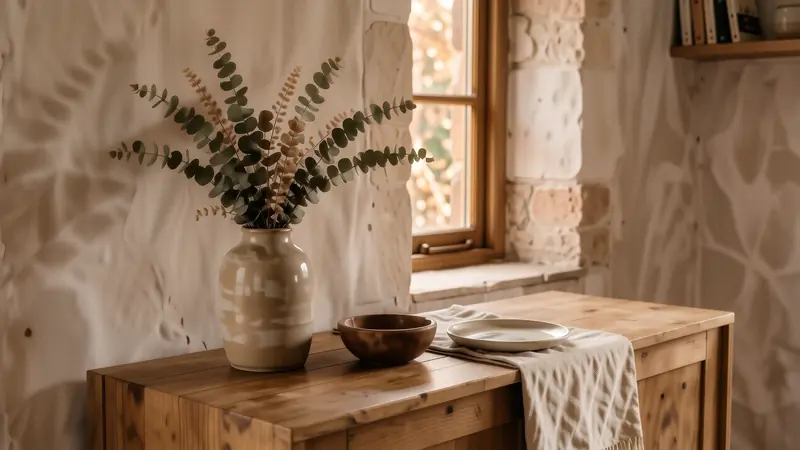
Start with a few well-placed dried branches in a tall stoneware vase, perhaps something like eucalyptus or dried pampas grass from a local florist. These elements add organic shapes that break up the hard lines of modern furniture. If you prefer living plants, choose slow-growing varieties like a Snake Plant or a Pothos that thrive in lower light.
Small details matter here too. A smooth river stone on a bookshelf or a wooden bowl filled with walnuts can bring those earthy, tactile elements into your daily view.
Creating a Dedicated Nook
You cannot hygge my home if there is no dedicated space to actually slow down. We often try to relax in the middle of our busy workspaces or right in front of the television, which rarely works.
Designate one corner for pure stillness. This might be a single armchair by a window or even just a thick floor cushion placed on a soft rug. Ensure this spot has its own dedicated light source and perhaps a small tray for a tea cup.
Keep it clutter-free. A reading nook should not be where you drop your mail or pile up laundry. When that space is clear, your brain receives a signal that it is time to rest.
The Scent of Slow Living
Scent is the fastest way to change a mood. While many people reach for heavy, synthetic room sprays, these can often feel jarring and artificial.
Instead, lean into natural scents like cedarwood, sandalwood, or bergamot. A high-quality soy wax candle in a matte ceramic jar provides both light and a gentle aroma that lingers without being overwhelming. If you prefer something flameless, an essential oil diffuser using a single drop of lavender or orange oil works beautifully.
Try to associate specific scents with specific times. Perhaps a cedarwood scent is reserved for your evening wind-down routine, helping your body recognize the transition from work to rest.
Renter-Friendly Hygge Upgrades
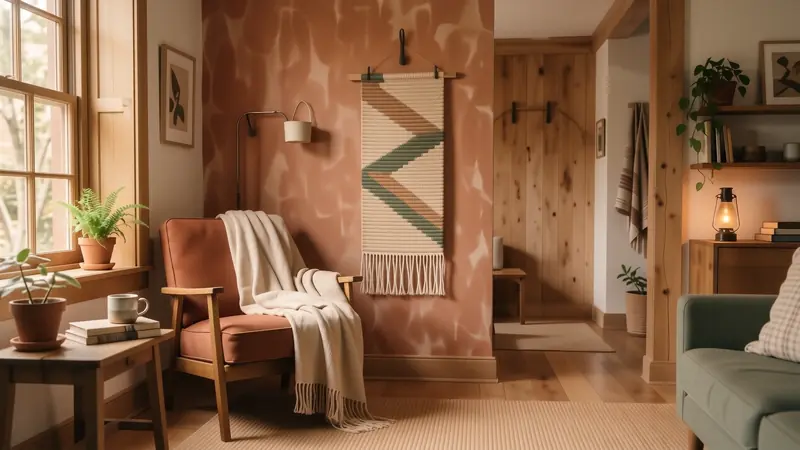
Living in a rental doesn’t mean you are stuck with cold, white walls and generic carpet. You can influence the hygge of home without losing your security deposit.
Command hooks are your best friend for hanging lightweight textile art or macramé pieces that add warmth to bare walls. If the lighting is terrible, use plug-in wall sconces instead of hardwired fixtures. These add a high-end feel and targeted light without any permanent changes.
Area rugs are perhaps the most effective tool. A large, soft rug can cover up unattractive flooring and instantly define a space as cozy. Look for something in an oatmeal or sand tone to keep the room feeling bright but grounded.
The Ritual of the Table
Even if you are eating alone, how you set your table changes how you experience your food. A plastic bowl feels rushed; a heavy ceramic plate feels intentional.
Invest in a few pieces of handmade pottery. The slight imperfections in a hand-thrown mug make it feel more personal and connected to the earth. Use linen napkins instead of paper ones—they add a tactile luxury that makes even a simple toast feel like an event.
This isn’t about being formal or fancy. It is about honoring your daily habits by using objects that feel good in your hands.
Decluttering for Mental Clarity
Visual noise is the enemy of coziness. It is hard to feel calm when your eyes are constantly jumping from one pile of mail to another.
Spend thirty minutes this weekend clearing off flat surfaces like coffee tables and kitchen counters. Instead of hiding everything in deep cabinets, use beautiful baskets made of seagrass or wicker to hold things you need frequently. This keeps items accessible but contained within a natural texture.
Focus on one surface at a time so you do not feel overwhelmed. A clear table provides the mental breathing room necessary to actually enjoy your hygge house of peace.
Frequently asked questions
Is hygge expensive to achieve?
Not at all. Most hygge home ideas involve rearranging what you have, adding natural elements like branches, or switching to warmer light bulbs which cost very little.
Can I have a hygge home in a small apartment?
Yes. In fact, smaller spaces are often easier to make cozy. Focus on lighting layers and soft textures like rugs and pillows to define your zones.
What colors feel most hygge?
Think of an oatmeal palette: creams, warm beiges, muted terracottas, and sage greens. Avoid stark whites or high-contrast neons.
How do I start if I'm overwhelmed?
Start with one thing this weekend, like changing your light bulbs to a warmer temperature or clearing off your bedside table.
More ideas → Hygge & Slow Living at Home
Keep reading
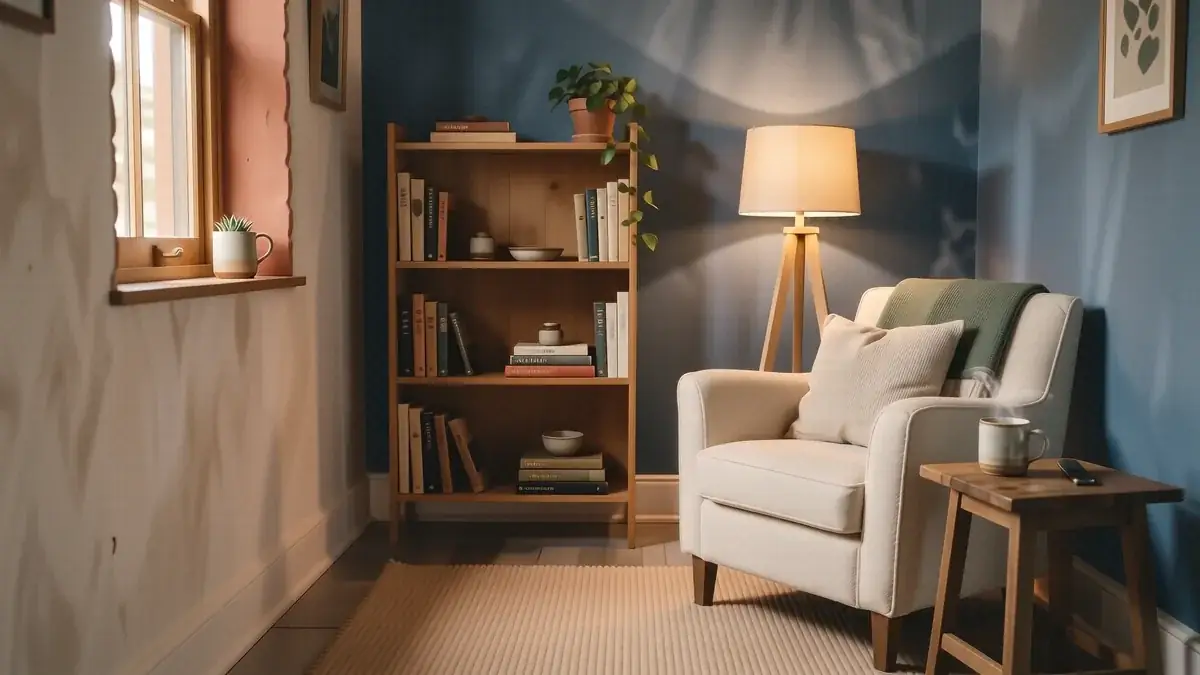
How to Master Cozy Basement Decor This Weekend
These cozy basement decor make any room feel warmer. Learn about warm lighting, soft textures, and renter-friendly styling tips.
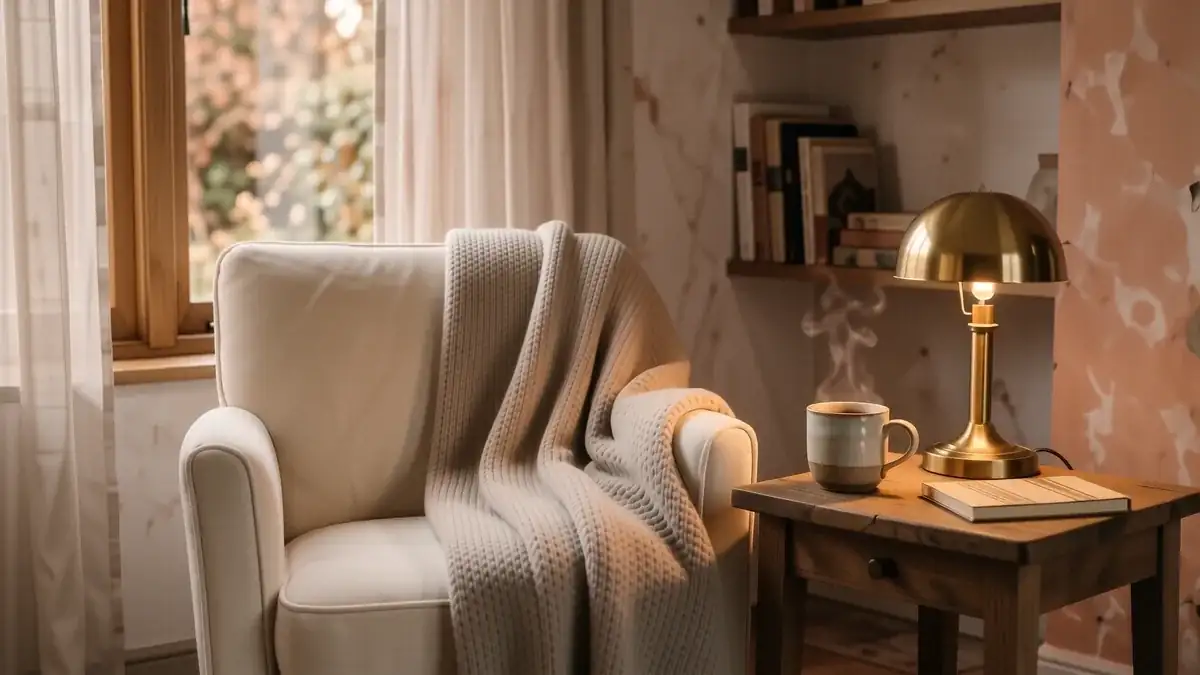
Simple Ways to Create Cozy Home Decor This Weekend
Cozy home decor that actually work. Learn how to use warm lighting, soft textures, and tactile materials for a slower pace of living.
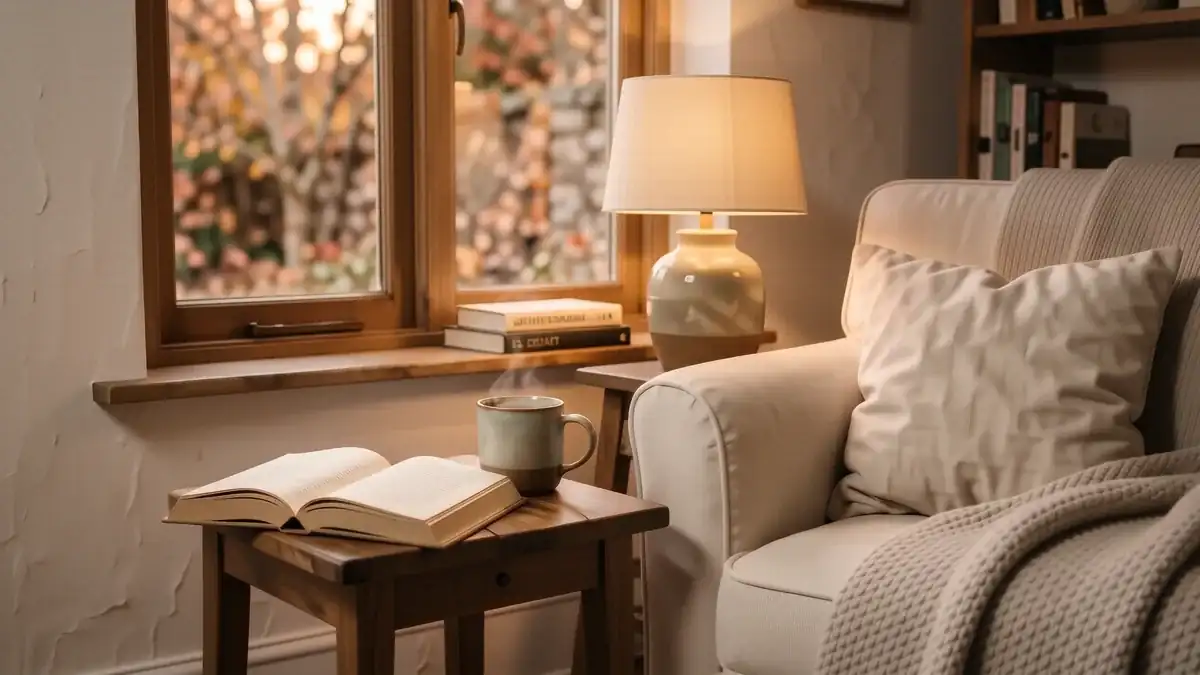
Practical Hygge House Ideas for a Cozier Home
These hygge house ideas make any room feel warmer. Learn how to use warm light, soft textures, and natural materials to create comfort.
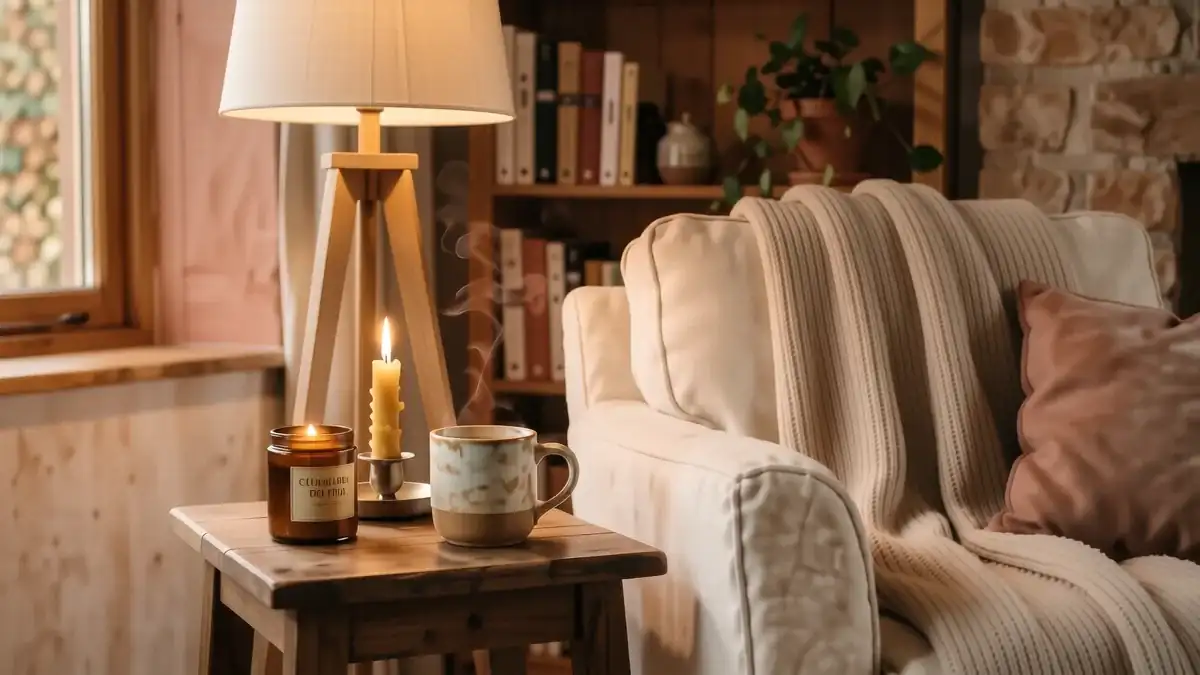
Small Steps Toward Intentional Slow Living Decor
Warm, lived-in slow living decor for real homes. Learn how to use natural textures, warm lighting, and tactile materials to find calm.