Practical Hygge House Ideas for a Cozier Home
 Save
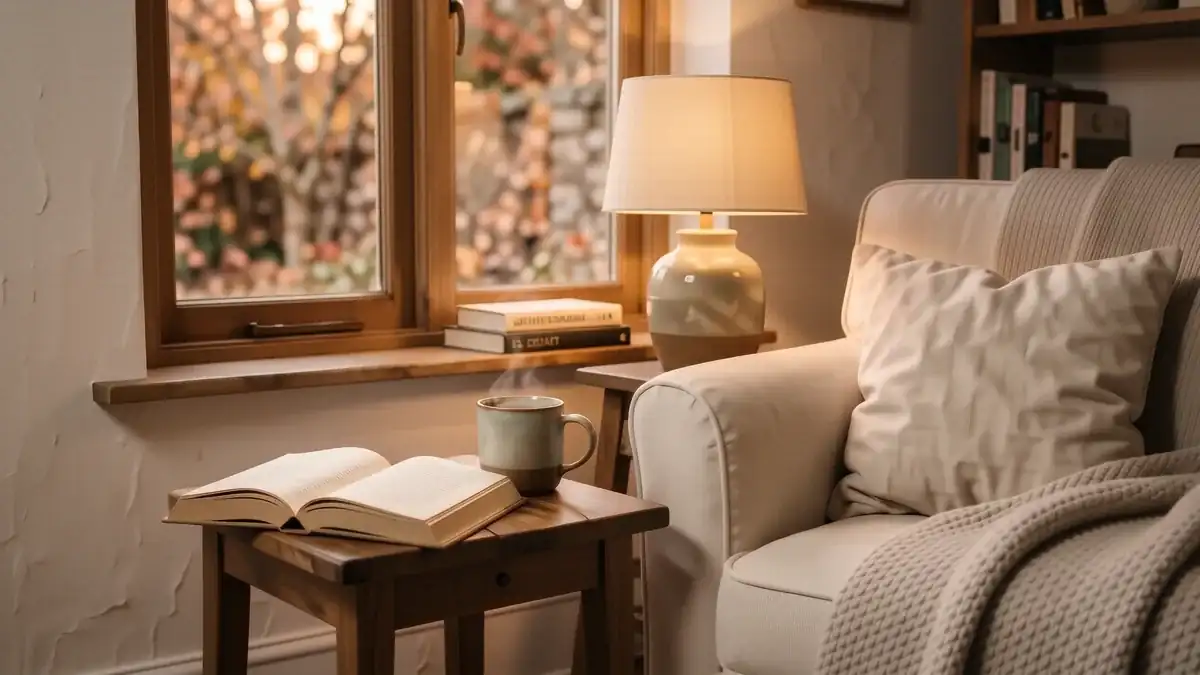
Save True coziness isn’t about buying expensive furniture or redesigning an entire floor plan. It is a quiet feeling that settles in when the lighting is soft and your favorite linen throw is within reach.
The Golden Glow of Soft Lighting
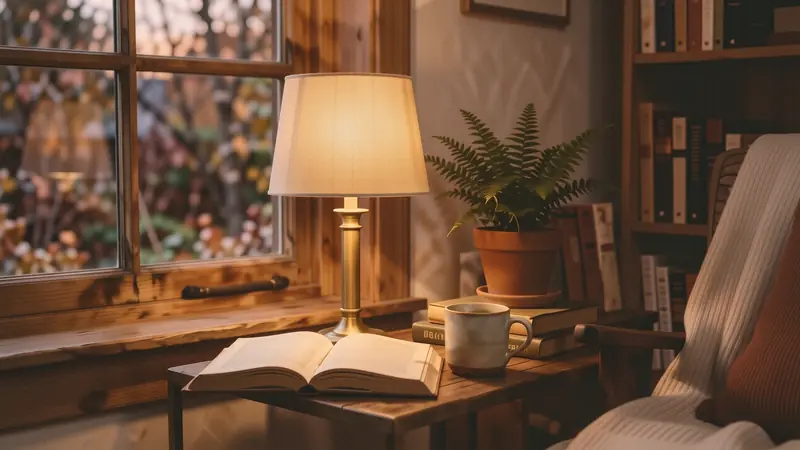
Harsh overhead lights kill any sense of calm instantly. If you want to change how a room feels, start by switching out your cool-toned bulbs for something warmer, specifically around 2700K. This creates a sunset-like warmth that mimics the flicker of a candle.
You don’t need a renovation to fix this. Place small, cordless lamps on bookshelves or side tables to create layers of light at different heights. A single brass lamp with a pleated cream shade can make a corner feel like a sanctuary instead of a dark void. Avoid using the ‘big light’ after 6:00 PM.
- Swap bright LEDs for warm amber bulbs.
- Use battery-operated tea lights in glass hurricanes.
- Add a small task lamp near your reading chair.
Layering Tactile Textures
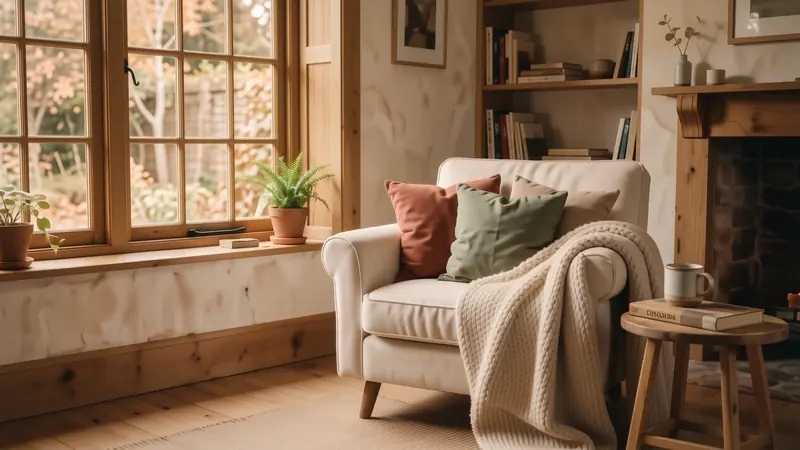
Texture is the secret language of comfort. A room feels hollow when every surface is smooth or hard, like polished wood or flat cotton. To fix this, you need to introduce weight and variety through fabrics that invite touch.
Try layering a heavy chunky-knit wool throw over a lightweight linen sofa. The contrast between the rougher wool and the smooth, breathable linen creates visual depth. If you are renting, an oversized jute rug can instantly ground a room and mask cold laminate flooring.
Look for materials like boucle or sheepskin to add immediate softness. A small faux-sheepskin rug placed next to your bed makes that first step in the morning feel much kinder. It is about creating a sensory experience that tells your brain it is time to slow down.
Bringing the Outdoors In
Nature has an innate ability to soothe our nervous systems. You can achieve this by incorporating organic elements that feel lived-in rather than staged. Instead of buying plastic decor, look for things with history and texture.
A simple wooden bowl filled with smooth river stones or a single branch from your garden in a heavy stoneware vase works beautifully. These items add an earthy element without cluttering your surfaces. If you have low light, try a large Pothos plant in a terracotta pot; its trailing vines add movement to a static shelf.
Avoid perfectly symmetrical arrangements. Nature is slightly messy and irregular. A cluster of three mismatched ceramic vases feels more authentic than a set of four identical ones from a big-box store.
Creating Dedicated Nooks
A large, open room can often feel cold or unanchored. To make hygge your home style, you must define smaller zones meant for specific activities. This creates a sense of purpose and intimacy within a larger space.
A window seat is the ultimate cozy destination. If you don’t have one, use a low bookshelf to create a boundary for a small chair and a tiny side table. This ‘micro-zone’ becomes your dedicated spot for morning coffee or evening journaling.
Focus on the scale of the furniture in these areas. A miniature armchair feels more protective than a massive sectional. When you sit in a designated nook, your brain recognizes the space as a place for rest rather than chores.
The Scent of Slow Living
Scent is the fastest way to change an atmosphere. While many people reach for heavy, artificial air fresheners, true coziness relies on subtle, grounding aromas. You want a scent that lingers gently rather than one that hits you at the door.
Think about scents like cedarwood, sandalwood, or dried lavender. A beeswax candle is a wonderful choice because it burns cleanly and has a faint, natural honey aroma. If you prefer something more active, a small stovetop simmer pot with cinnamon sticks and orange peels can fill a kitchen with warmth without any effort.
Avoid overly sweet scents like ‘vanilla cupcake’ which can feel cluttered. Stick to woody or herbal notes that mimic the outdoors.
Curating Personal History
A home that looks like a showroom is rarely cozy. Hygge thrives on the presence of things that mean something to you. These objects act as anchors for your memories and make a space feel truly yours.
Instead of trendy decor, display items that have a story. This might be a vintage ceramic pitcher found at a local flea market in 2018 or a stack of well-loved cookbooks from your grandmother. Arrange these on open shelving alongside books you actually read.
When decorating, follow the rule of odd numbers. Grouping three items of varying heights—like a tall candle, a medium book, and a small stone—creates a natural flow that feels effortless. It is about curation, not collection.
Tactile Kitchen Essentials
The kitchen is often the heart of a cozy home. You don’t need a marble countertop to make it feel warm; you just need better materials. Swap out plastic utensils for wooden spoons and replace cold metal canisters with stoneware crocks.
A linen tea towel hanging from an oven handle adds immediate softness to a hard surface. If your counters feel cluttered, use a wooden cutting board as a riser to create different levels for your salt cellar or oil cruet.
Small details matter here too. A heavy ceramic mug feels much better in your hands than a thin porcelain one during a cold morning. The weight and texture of your tools change how you interact with the act of cooking.
Softening the Floor Plan
Hard lines can make a room feel rigid. To soften your space, look for ways to break up straight edges and sharp corners. This creates a more fluid, relaxed energy that encourages lounging.
You can do this by using rounded furniture or even just adding soft shapes through decor. A circular mirror on a rectangular wall breaks the monotony of lines. Similarly, placing a round coffee table in front of a long sofa helps to guide movement and makes conversation feel more natural.
Don’t be afraid to overlap rugs if you have a large area. Placing a smaller, patterned rug partially over a larger, neutral jute rug adds layers that feel intentional and cozy. It softens the transition between different parts of the room.
The Rhythm of Daily Rituals
Decor is only half the battle. To truly live with hygge, you must design your space to support small, daily rituals that bring joy. A beautiful space should serve your habits.
If you love tea, keep a dedicated tray on your side table with your favorite tin and a small honey jar. If you enjoy reading, ensure your lamp is positioned perfectly so you never have to squint. These tiny adjustments turn a house into a place that actively supports your well-being.
It is about making the mundane feel special. When your environment is prepared for your comfort, you spend less time managing your space and more time actually inhabiting it.
Frequently asked questions
How can I make a rental feel cozy without painting?
Focus on lighting, textiles, and removable items. Swap out light bulbs for warm tones, use large area rugs to cover cold floors, and add plenty of soft pillows and throws.
What colors are best for a hygge home?
Stick to an earthy, muted palette. Think warm oatmeal, sage green, muted terracotta, or deep forest tones rather than bright, high-contrast colors.
Is hygge just about minimalism?
Not at all. While it avoids clutter, hygge actually encourages having meaningful objects that provide comfort and a sense of history.
Can I achieve this style on a budget?
Yes. Most hygge elements come from nature or repurposing what you have. Dried branches, thrifted ceramics, and rearranging your existing textiles are free ways to add warmth.
More ideas → Hygge & Slow Living at Home
Keep reading
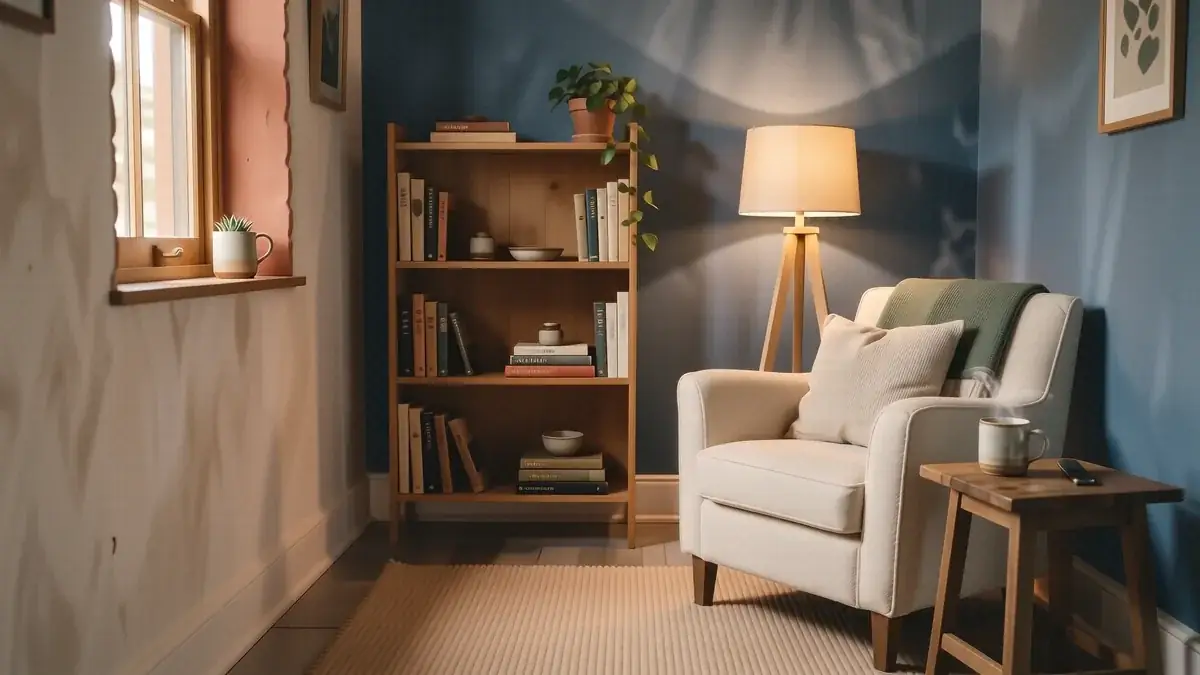
How to Master Cozy Basement Decor This Weekend
These cozy basement decor make any room feel warmer. Learn about warm lighting, soft textures, and renter-friendly styling tips.
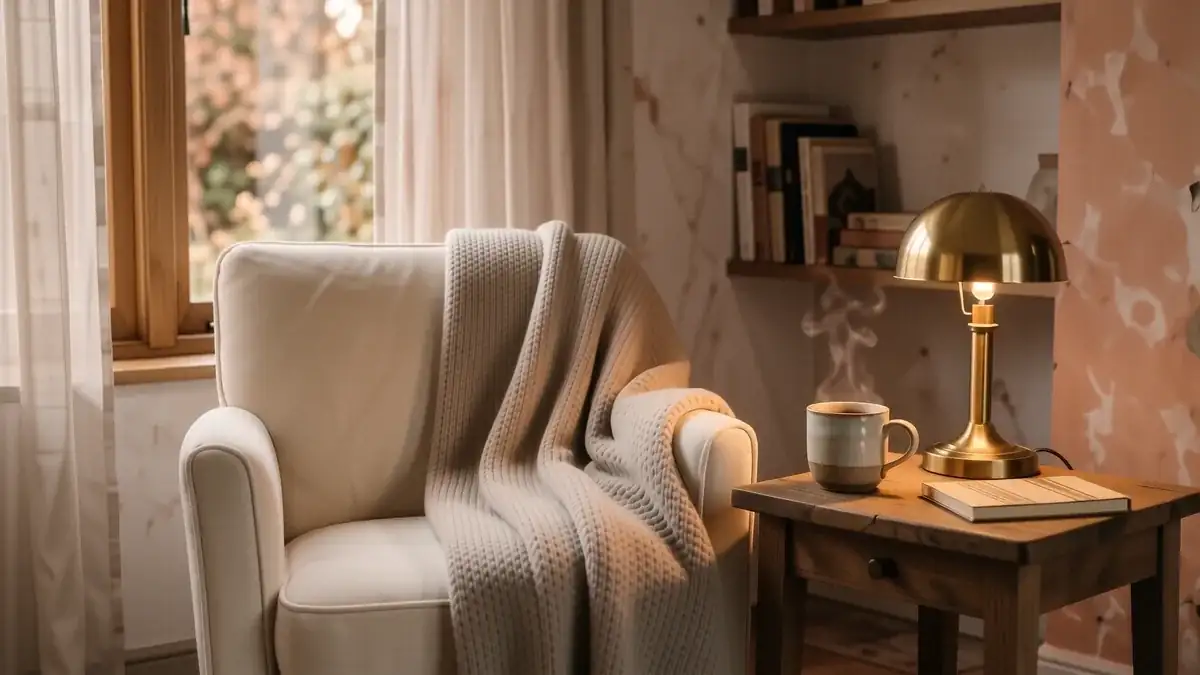
Simple Ways to Create Cozy Home Decor This Weekend
Cozy home decor that actually work. Learn how to use warm lighting, soft textures, and tactile materials for a slower pace of living.
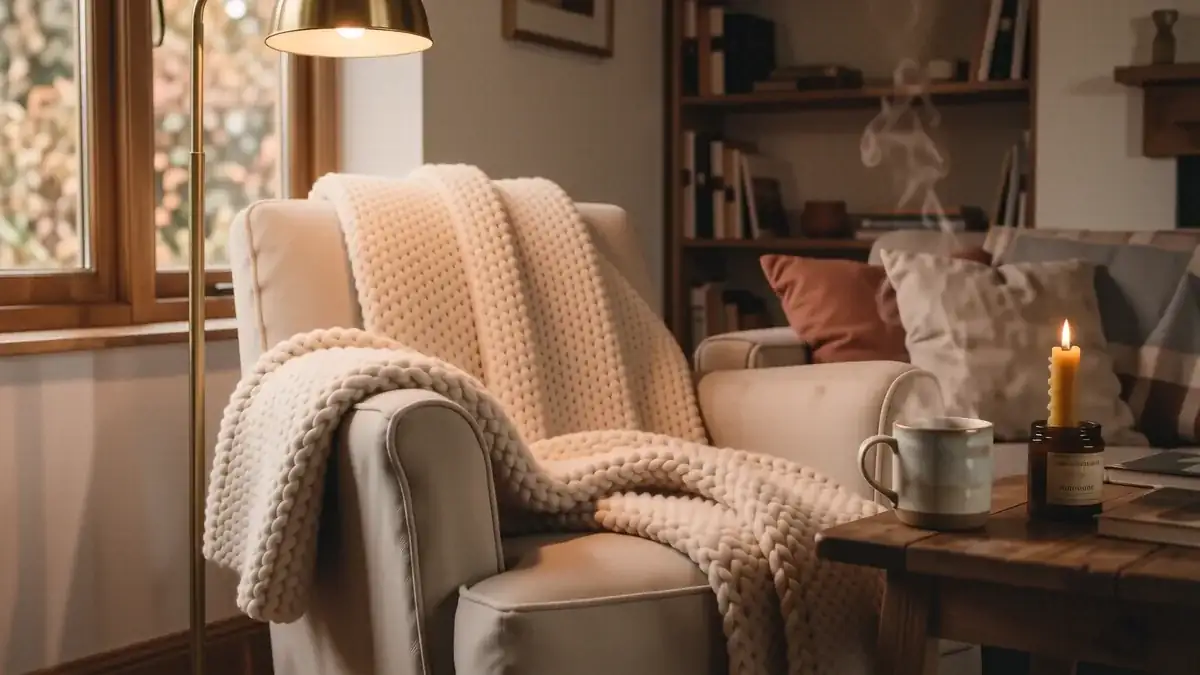
Practical Hygge Home Ideas for a Cozier Weekend
Hygge home ideas worth trying tonight. Learn how to use warm light, soft textures, and organic materials to find calm.
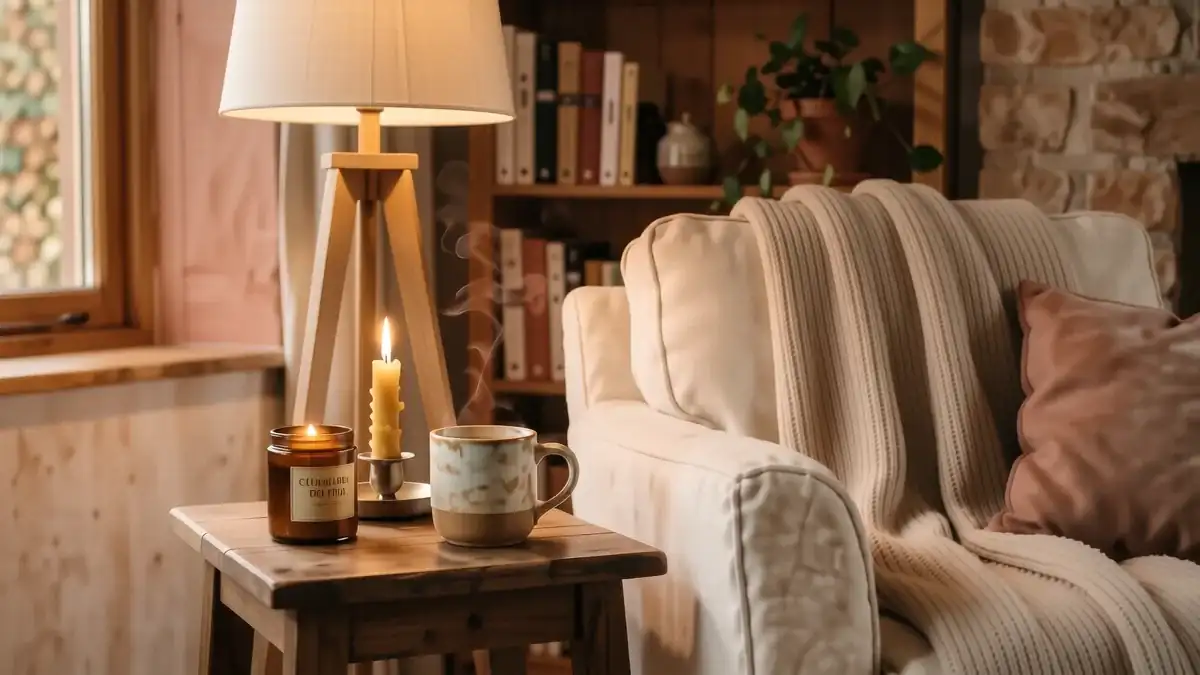
Small Steps Toward Intentional Slow Living Decor
Warm, lived-in slow living decor for real homes. Learn how to use natural textures, warm lighting, and tactile materials to find calm.