How to Master Japandi Decor This Weekend
 Save
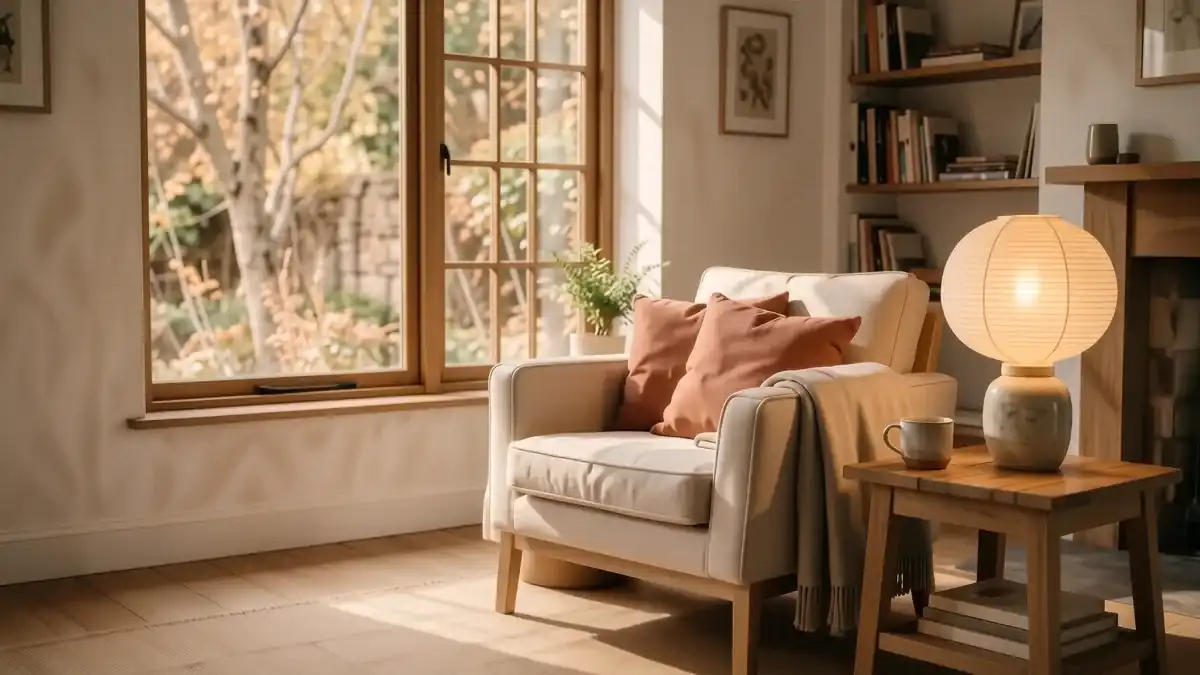
Save There is a quiet stillness that comes when Japanese minimalism meets Scandinavian warmth. It feels like a slow Sunday morning in a sun-drenched room where everything has its place. This weekend, you can transform your space into that sanctuary using simple, tactile changes.
The Foundation of Warm Neutrals
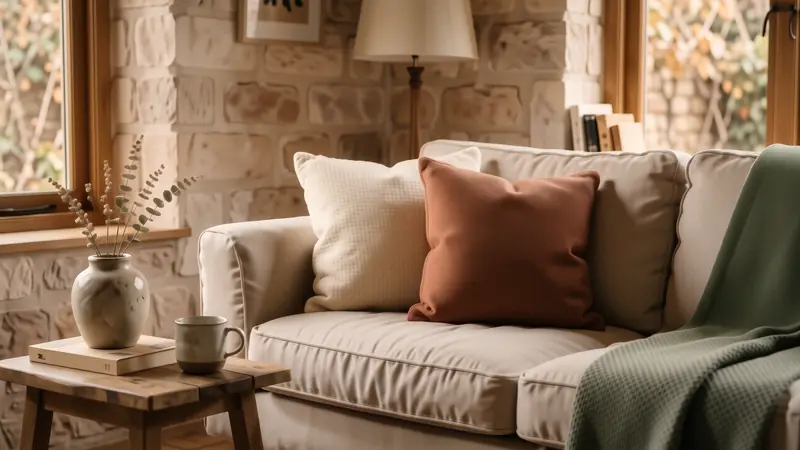
Forget the clinical, stark whites often associated with modern minimalism. Japandi decor relies on a palette of soft, earthy tones that feel lived-in and welcoming. Think about shades like warm oatmeal, muted terracotta, or a pale sand color for your walls or large textiles. If you are renting, skip the paint and opt for oversized linen throws in these hues to mask brighter, colder wall colors.
Layering different depths of beige creates visual interest without clutter. You might pair a cream boucle pillow with a heavy, stone-colored cotton cushion on your sofa. This approach keeps the room feeling airy but grounded.
- Choose oatmeal linen for curtains.
- Use sand-toned ceramic vases.
- Add terracotta accents in small doses.
Mixing Wood Tones and Natural Materials
The soul of this style lives in the grain of the wood. While Scandinavian design often leans toward light ash or pine, Japanese influence introduces deeper, richer tones like walnut or charred cedar. To achieve a balanced look, try to mix these two worlds rather than sticking to one single wood type throughout your entire living room.
A low-profile oak coffee table looks beautiful when paired with a darker walnut tray resting on top. This contrast adds weight and history to the space. Avoid plastic or highly glossy finishes at all costs. Instead, look for matte surfaces that invite you to touch them.
Natural stone also plays a part here. A heavy travertine coaster or a small basalt bowl provides a sense of permanence. These materials ground the lighter elements in your room.
Low-Profile Living for Better Flow
Creating space often means lowering your visual horizon. In many Japanese homes, furniture sits closer to the floor to create a sense of openness and connection to the earth. You can replicate this feeling by choosing a low platform bed or a lounge chair with short, tapered legs.
When you lower your furniture, the ceiling feels higher. This creates an immediate sense of breathing room in smaller apartments. If you cannot replace your current sofa, try adding large floor cushions in heavy cotton or hemp fabrics to create a casual seating area near a window.
- Use low platform beds for japandi bed decor.
- Choose lounge chairs with minimal legs.
- Incorporate floor poufs in neutral jute.
Mastering Soft, Layered Lighting
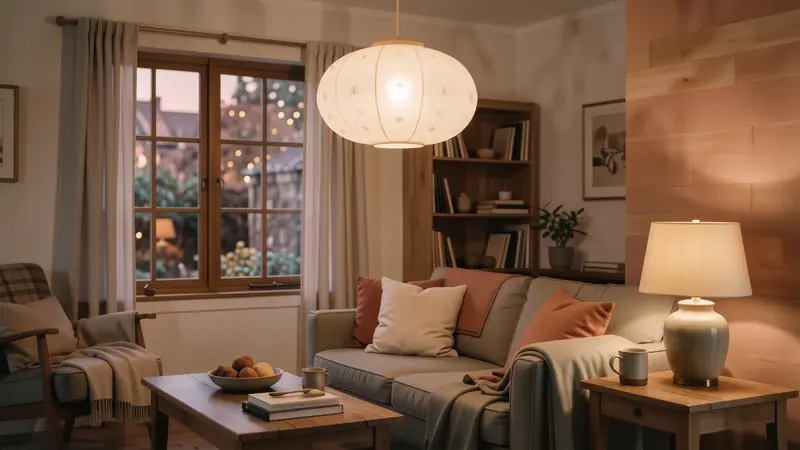
Harsh overhead lights are the enemy of coziness. To get that soft, hygge glow, you need to focus on multiple light sources at different heights. Aim for a warm color temperature around 2700K to mimic the golden hour.
Paper lanterns are a staple for a reason; they diffuse light beautifully across a room. A large Noguchi-style rice paper pendant lamp can act as a soft, glowing centerpiece in a dining area. For smaller corners, use a ceramic table lamp with a linen shade to create pools of warmth.
Avoid using bright white bulbs that feel like an office. Instead, layer your light by placing a small lamp on a bookshelf and another near your reading chair. This creates depth through shadow and soft highlights.
Intentional Decor and Art
In this style, every object should feel intentional. Rather than filling shelves with small knick-knacks, choose one or two meaningful pieces that catch the eye. This is where japandi decor art becomes vital to your storytelling.
Look for abstract prints with organic shapes in muted tones. A single, large piece of framed textile art can be more impactful than a gallery wall of tiny frames. If you prefer something three-dimensional, a single branch in a tall ceramic vase offers a sculptural quality that feels both wild and controlled.
Avoid cluttered displays. If you have a collection of ceramics, group them by height or color to create a sense of order. This prevents the room from feeling messy while still showing off your personality.
Textural Depth Through Textiles
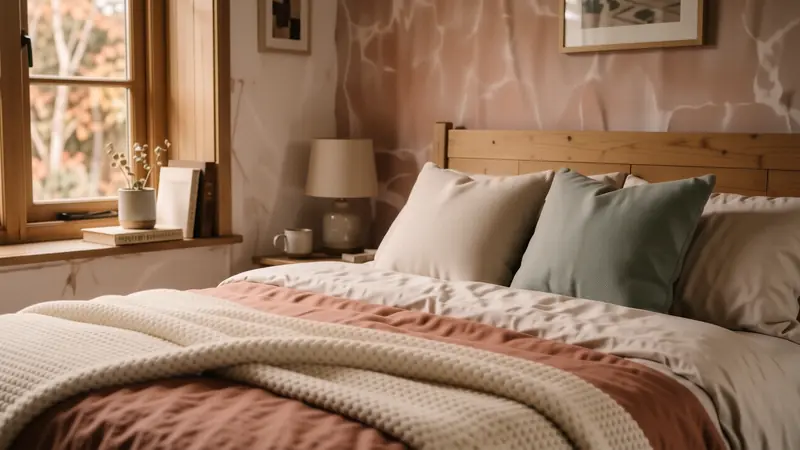
Since the color palette is often restrained, you must rely on texture to prevent the room from feeling flat. This is the secret to making a neutral space feel expensive and comfortable. Combine different weaves to create a sensory experience.
Try pairing a smooth silk pillow with a chunky knit wool throw. The contrast between the sheen of the silk and the matte heaviness of the wool provides instant visual interest. Linen is another essential material; its natural wrinkles add an effortless, organic character to your bed or sofa.
- Mix linen, wool, and cotton.
- Use jute rugs for grounding texture.
- Add boucle accents for softness.
Bringing the Outside In
Nature is a core component of both Japanese and Scandinavian philosophies. You don’t need an indoor jungle to achieve this; in fact, a few well-placed plants often work better than dozens of small pots. Focus on greenery that has strong architectural shapes.
A single tall Ficus lyrata or a sculptural Monstera can act as a living piece of art. If you prefer something more subtle, dried elements like pampas grass or branches from your own garden add an earthy, quiet beauty. These natural elements bridge the gap between your indoor sanctuary and the world outside.
Keep your planters simple. Choose matte terracotta, stone, or dark wood pots that don’t distract from the plant itself. This keeps the focus on the organic form rather than the container.
Functional Beauty in Small Details
The final touch is ensuring that your functional items are beautiful too. In a japandi-inspired home, even the things you use every day should contribute to the aesthetic. This might mean replacing a plastic soap dispenser with a heavy glass one or using a wooden tray to organize your keys.
Think about your morning routine. A handmade ceramic mug feels better in your hands than a mass-produced one. These small, tactile shifts accumulate over time to create a home that supports slow living. It is about finding joy in the utility of your belongings.
When organizing, use natural baskets made of seagrass or wicker. They hide clutter while adding another layer of organic texture to your space. A tidy room is a calm room.
Frequently asked questions
Is japandi decor expensive to achieve?
Not at all. You can start by decluttering and adding natural textures like linen or wood from thrift stores or local markets.
How do I stop my neutral room from looking boring?
Focus on texture rather than color. Mix materials like boucle, jute, and smooth ceramics to create depth without adding bright colors.
Can I use japandi decor in a small apartment?
Yes, it is perfect for small spaces because the emphasis on minimalism and low-profile furniture helps rooms feel larger and more open.
What are the best colors for this style?
Stick to a base of warm oatmeal, sand, and stone, then add depth with muted terracotta or charcoal accents.
More ideas → Cozy Decor Styles: Cottagecore, Japandi & More
Keep reading
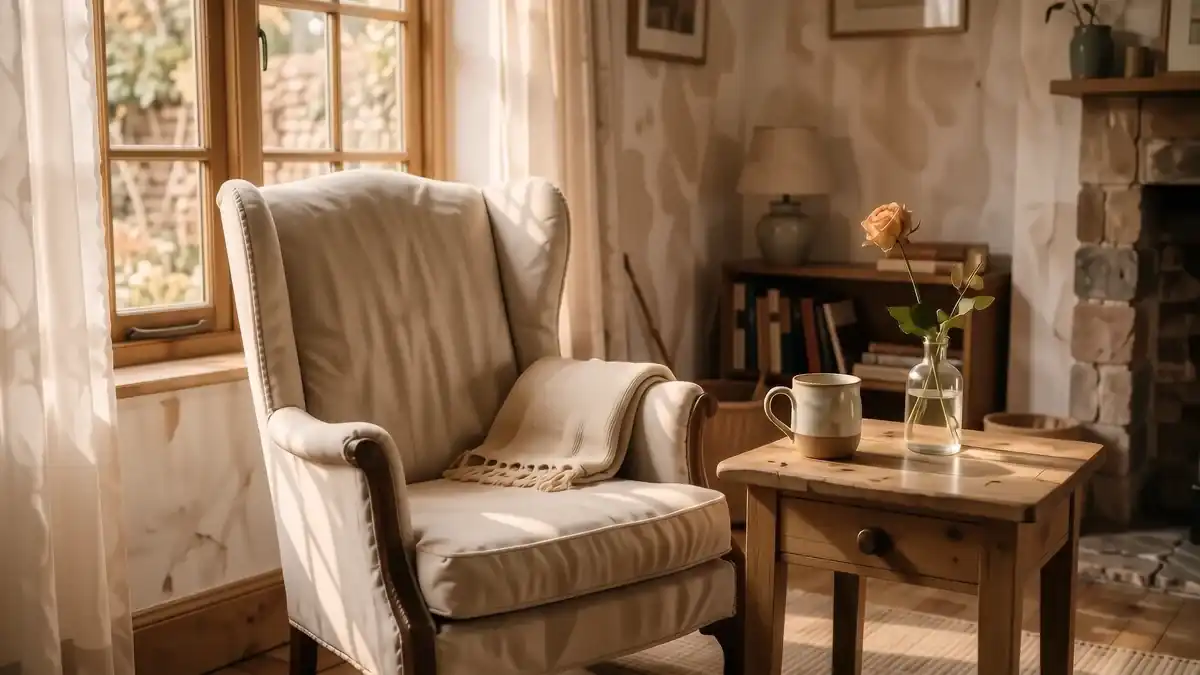
Easy Ways to Style Cottagecore Home Decor
Bring warmth into your space with practical cottagecore home decor tips. Discover how to use linen, dried florals, and warm light for a cozy retreat.
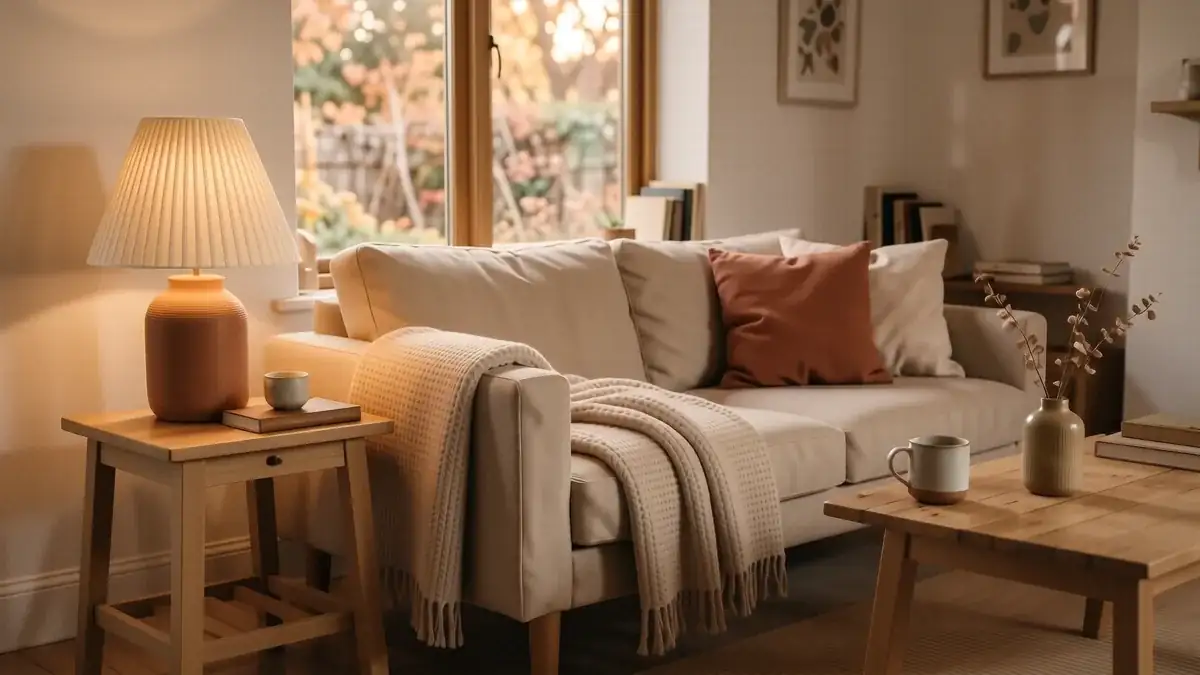
Warm Minimalist Home Ideas for a Cozier Space
Discover practical warm minimalist home ideas to transform your living space into a cozy sanctuary using textures, light, and Japandi design principles.
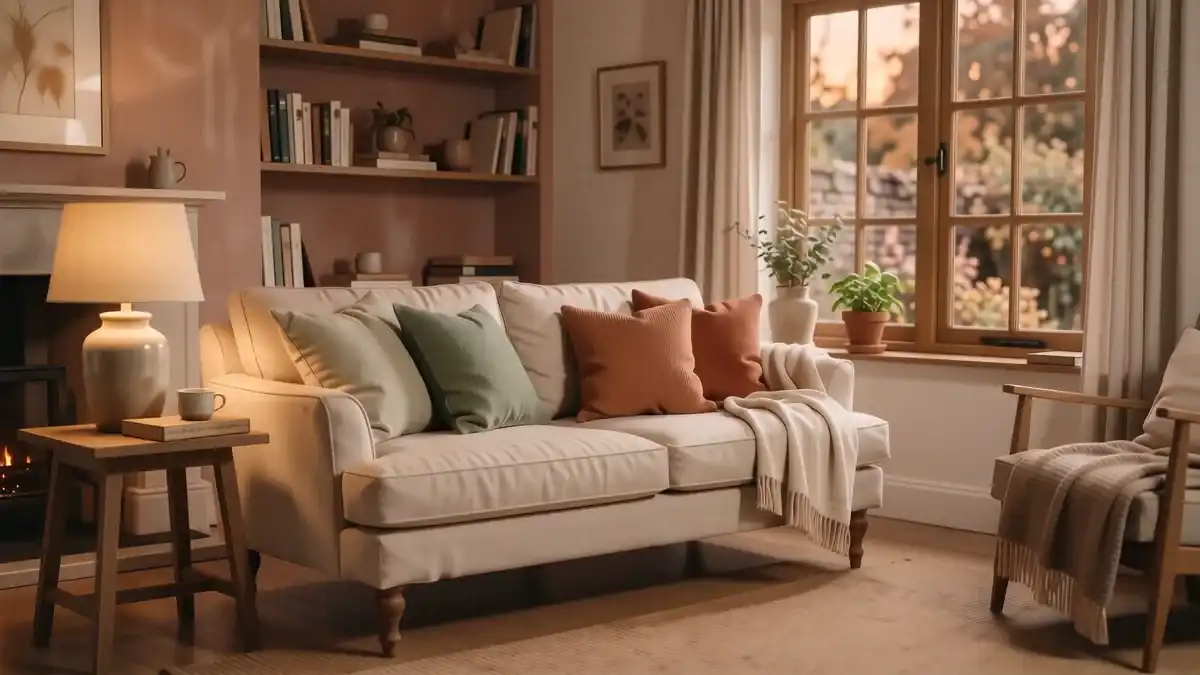
How to Master Cosy Farmhouse Decor This Weekend
Warm, lived-in cosy farmhouse decor for real homes. Learn about textures, lighting, and renter-friendly ways to add warmth today.
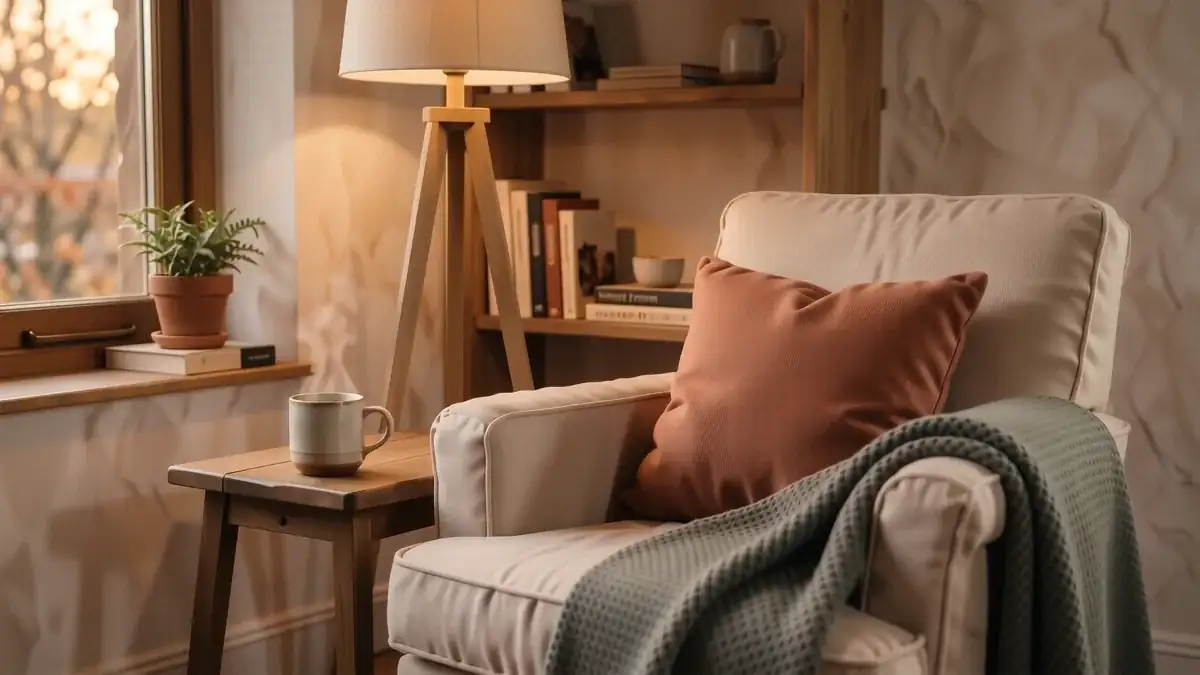
Small Space Comfort: Practical Cozy Apartment Decor
Cozy apartment decor you can do this weekend. Learn about warm lighting, tactile textures, and renter-friendly styling for every small room.