Easy Ways to Style Cottagecore Home Decor
 Save
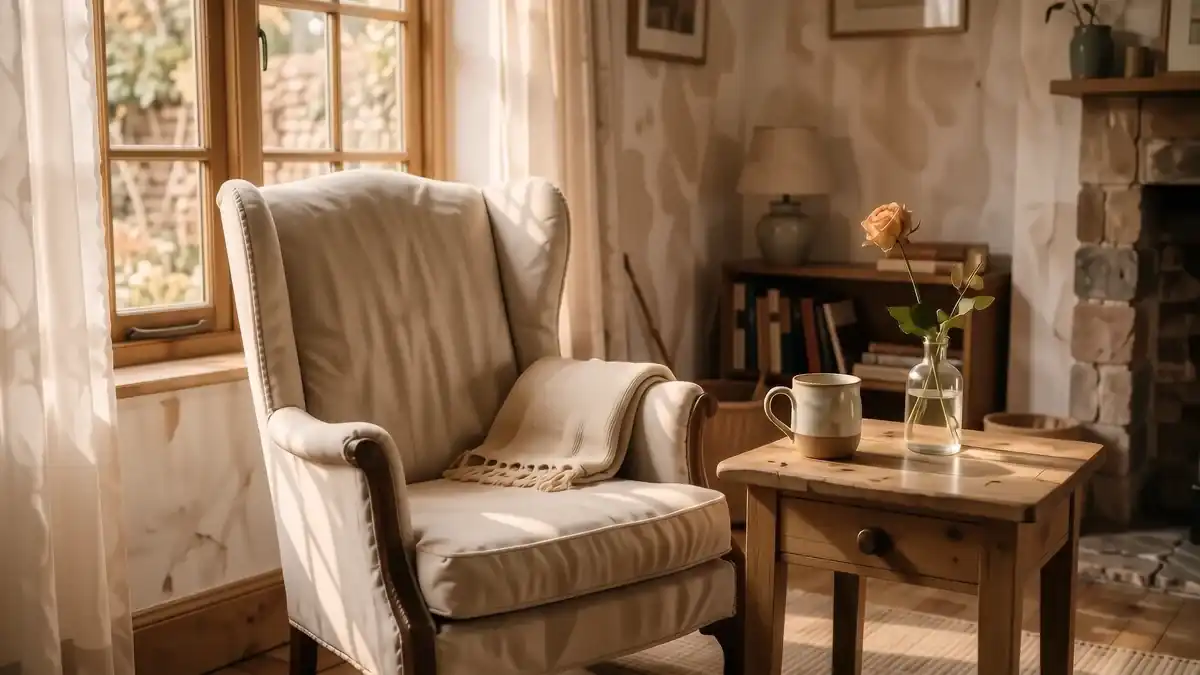
Save There is a specific kind of quiet that settles in a room filled with soft edges and sun-bleached colors. Cottagecore home decor isn’t about living in a museum; it is about making your four walls feel like a gentle hug from the countryside.
The Foundation of Soft Textures
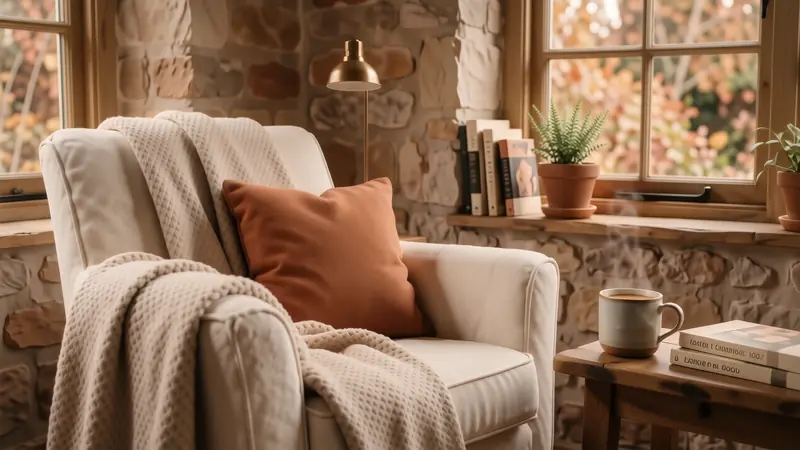
Start with what touches your skin. Heavy, waffle-knit cotton throws or linen pillow covers in shades like oatmeal or dusty sage create an immediate sense of calm. If you are renting a space with cold hardwood floors, a jute rug layered under a smaller, patterned wool piece can ground the room.
Focus on weight and weave.
- Linen napkins for daily meals.
- Bouclé cushions in cream.
- Thick, hand-knitted wool blankets.
You might find that a single velvet armchair in muted terracotta changes the entire energy of a corner. The goal is to avoid anything too shiny or synthetic. Natural fibers breathe better and age gracefully, developing a soft patina that looks better after three years than it did on day one.
Warmth Through Intentional Lighting
Harsh overhead lights kill the magic of a cozy home. To achieve that soft, evening glow, switch your bulbs to a warm temperature, specifically around 2700K. This mimics the amber hue of candlelight and makes even white walls feel creamy.
Layer your light sources.
A small pleated fabric lampshade on a bedside table can transform a bedroom into a sanctuary. Use brass task lamps or ceramic base lamps with linen shades to avoid the clinical look of modern metal fixtures. If you cannot change the wiring in a rental, high-quality rechargeable cordless lamps are a lifesaver for dimming dining areas. Scatter a few beeswax candles across your mantel—the scent is subtle and far superior to heavy synthetic perfumes.
Bringing the Garden Indoors
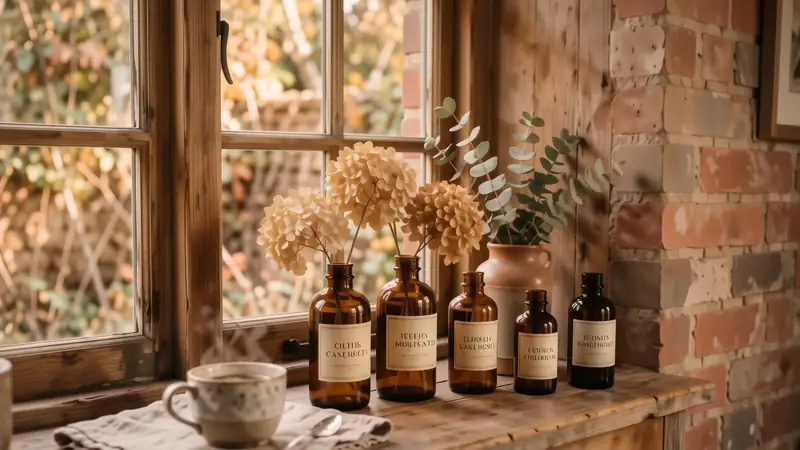
You don’t need a massive backyard to embrace botanical elements. Dried flowers are the easiest way to introduce cottagecore homeware that requires zero maintenance. Think dried eucalyptus, hydrangea heads in muted tones, or even simple stalks of wheat gathered from a local field.
Dried blooms last forever.
Instead of plastic pots, use mismatched stoneware or vintage amber glass bottles found at thrift stores. A cluster of three different-sized vases on a windowsill creates a beautiful, organic silhouette. If you prefer living plants, ferns and pothos thrive in the dappled light typical of this style. They add a lushness that feels alive without being overwhelming. Avoid overly manicured tropical palms; stick to things that look like they might have drifted in from an English meadow.
Curating a Collected Kitchen
A cottagecore kitchen feels lived-in rather than staged. Move away from matching sets of sterile white plates and instead look for hand-thrown ceramics with slight imperfections. Mismatched tea cups sitting on an open shelf add character that a closed cabinet simply cannot provide.
Display your tools.
Hang copper measuring spoons or wooden utensils on a brass rail near the stove. If you have limited counter space, use a small wooden breadboard to lean against the backsplash, perhaps topped with a bowl of fresh lemons. This creates a sense of abundance and slow living. Even your dish towels should feel intentional—opt for tea towels in gingham or faded floral prints made from soft cotton rather than bright polyester blends.
The Charm of Vintage Finds
True cottagecore room ideas often rely on items that have a history. Scouring local flea markets for a weathered oak stool or a tarnished silver tray can give your home a soul. These pieces act as conversation starters and prevent your space from looking like a catalog page.
Look for patina.
You don’t need expensive antiques, just things that show they have been loved. A chipped enamel pitcher used as a vase or an old wooden crate turned into a bookshelf works beautifully. When mixing eras, keep the color palette tight—using tones like cream, sage, and ochre helps bridge the gap between a 1920s trinket and a modern linen sofa. The key is to avoid anything that feels too ‘new’ or mass-produced in plastic.
Soft Colors for Small Spaces
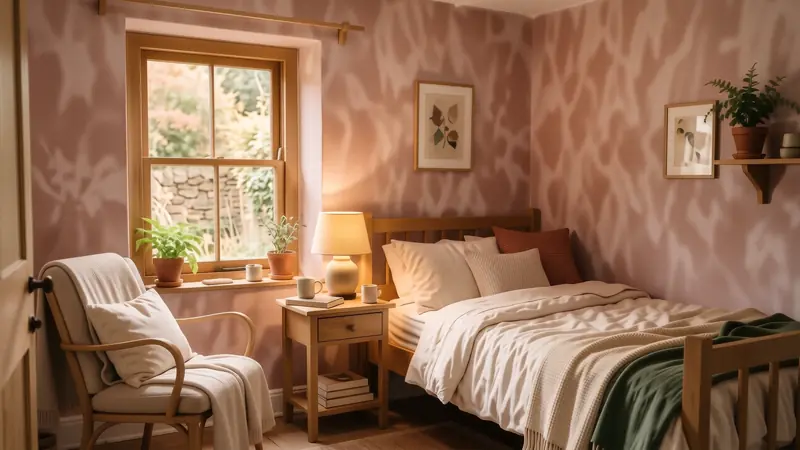
If you are decorating a cottagecore tiny home or a small apartment, color choice is vital. Avoid stark, brilliant whites which can feel cold. Instead, reach for ‘warm oatmeal’ or ‘clover green.’ These shades recede visually, making walls feel softer and more expansive.
Use muted tones.
A pink cottagecore home doesn’t mean neon rose; it means a soft, dusty blush that looks like an old peony. Use these colors in your larger items like curtains or rugs to avoid overwhelming the eye. When you paint or choose textiles, test them against different light throughout the day. A shade that looks lovely at noon might turn muddy and grey by 4 PM when the shadows grow long.
Functional Decor for Daily Rituals
Decor should serve a purpose beyond just looking pretty. In a cottagecore farmhouse style, the items you use every day become part of the aesthetic. A heavy ceramic teapot becomes a centerpiece when it sits on your tray during morning tea.
Make it useful.
Instead of a decorative bowl that collects dust, use a wide wooden dough bowl to hold your keys and mail. This keeps clutter organized while adding an organic shape to your entryway. Even your stationery can be part of the decor—a small linen-bound journal kept on the coffee table invites you to slow down and write. When every object has a job, the home feels purposeful rather than cluttered.
Creating a Sensory Sanctuary
The final layer of any cozy room is how it appeals to senses beyond sight. Think about the sound of a crackling fire or the weight of a heavy quilt on your legs. These elements turn a house into a home that feels deeply personal.
Engage all senses.
Consider adding a small, battery-operated tabletop fireplace if you don’t have a hearth; the flickering light provides much-needed movement. The scent of dried lavender or cedarwood can be subtly introduced through sachets tucked into dresser drawers. As you layer these elements—the textures, the warm lights, and the natural scents—you will find that your space begins to breathe with you. It becomes a place where time feels slightly more flexible.
Frequently asked questions
Is cottagecore decor expensive?
Not at all. Most of the best pieces are found through thrifting, flea markets, or even collecting natural items like stones and branches from your local walks.
How can I do this in a modern apartment?
Focus on textiles and lighting. Swapping out bright bulbs for warm ones and adding linen curtains or jute rugs can mask the 'hardness' of modern architecture.
Does cottagecore have to be cluttered?
No, it is about intentionality. Aim for a 'curated' look where every item feels like it was chosen with care, rather than just piling things up.
What colors are best for this style?
Stick to an earthy, muted palette: sage green, dusty rose, cream, ochre, and warm terracotta work beautifully together.
More ideas → Cozy Decor Styles: Cottagecore, Japandi & More
Keep reading
How to Master Japandi Decor This Weekend
Bring calm home with practical japandi decor tips. Learn how to mix warm wood, soft textures, and functional minimalism for a cozy sanctuary.
Warm Minimalist Home Ideas for a Cozier Space
Discover practical warm minimalist home ideas to transform your living space into a cozy sanctuary using textures, light, and Japandi design principles.
How to Master Cosy Farmhouse Decor This Weekend
Warm, lived-in cosy farmhouse decor for real homes. Learn about textures, lighting, and renter-friendly ways to add warmth today.
Simple Ways to Create Cozy Home Decor This Weekend
Cozy home decor that actually work. Learn how to use warm lighting, soft textures, and tactile materials for a slower pace of living.