Warm Minimalist Home Ideas for a Cozier Space
 Save
Save Minimalism often feels cold or clinical. We want the opposite: a house that breathes, settles, and hugs you when you walk through the door.
The Warm Minimalist Foundation
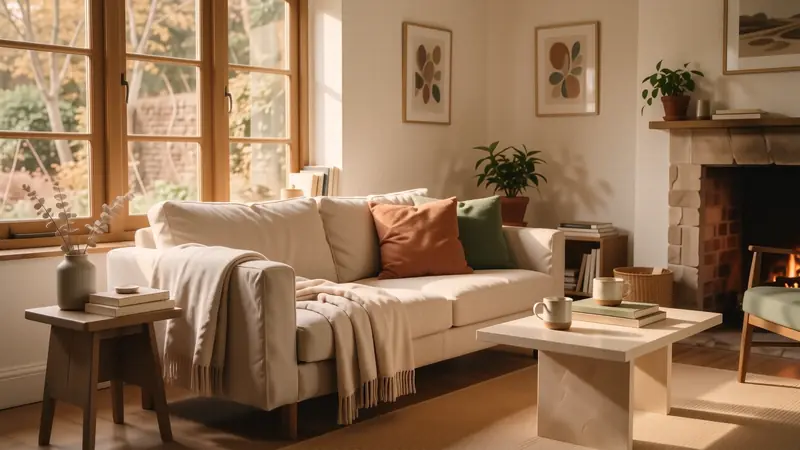
A warm minimalist home avoids the stark white-box look of traditional modernism. Instead, lean into a palette of muted terracotta, soft sand, and deep oatmeal. These colors provide a visual weight that feels grounding rather than empty. You can start by swapping out bright white paint for something like ‘Swiss Coffee’ from Benjamin Moore.
It changes everything. A single well-placed linen armchair in a toasted almond shade creates an immediate focal point without adding clutter. When you choose your base colors, think about how they interact with natural sunlight at 4:00 PM on a Tuesday. If the light is harsh, warmer tones will soften those edges beautifully.
- Stick to three primary neutral tones.
- Use matte finishes instead of gloss.
- Avoid high-contrast black and white pairings.
Mastering Light Temperatures
Lighting is the fastest way to ruin or rescue a quiet room. If you rely on overhead big lights, your space will always feel clinical. Aim for 2700K color temperature bulbs to mimic the glow of sunset. This warmth makes even the simplest furniture look expensive and intentional.
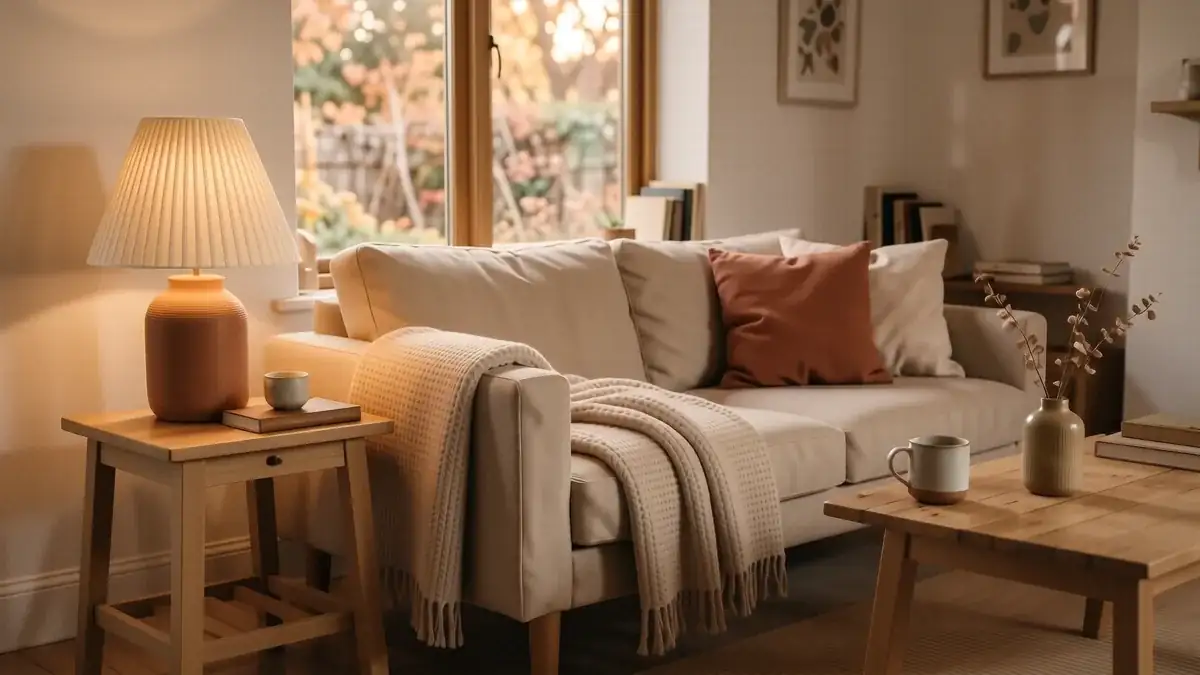
Layering is your best tool here. Place a small pleated fabric lamp on a side table or use floor lamps with paper shades to diffuse light softly. A single sculptural brass lamp can act as art. Avoid the temptation to buy cheap LED strips that cast an unnatural blue tint over your carefully chosen textures. Instead, look for cordless rechargeable lamps if you are a renter and cannot hardwire new fixtures.
Small changes yield big results.
Tactile Layers in the Bedroom
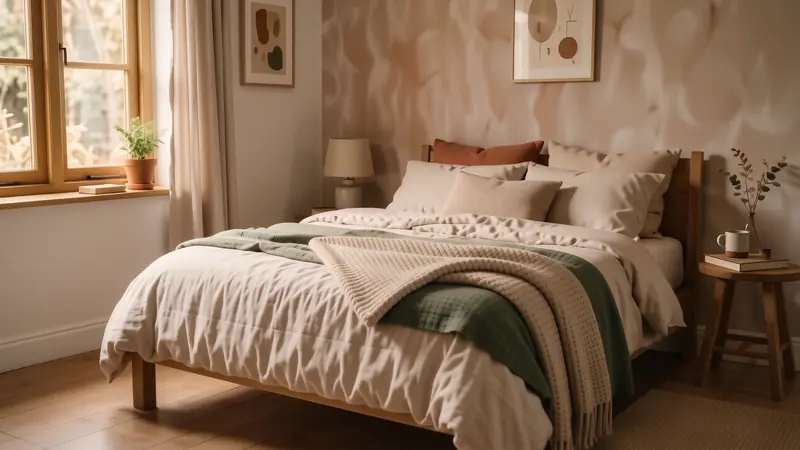
A cozy bedroom minimalist approach relies heavily on how things feel against your skin. Skip the shiny polyester blends and reach for heavy-weight washed linen or organic cotton. A duvet cover in a muted sage or dusty clay adds color without visual noise.
Texture provides the depth that color sometimes lacks in a sparse room. Layer a chunky wool throw over the foot of the bed to break up the flat surface of the mattress. This creates a sense of abundance while keeping the footprint small. If you live in a smaller apartment, choose bedding in tonal shades—like light beige paired with cream—to prevent the space from feeling chopped up by too many competing patterns.
Sleep better in soft fabrics.
The Art of the Entryway
Your entryway sets the tone for your entire evening. A cozy minimalist entryway should offer utility without the chaos of a mudroom. For renters, a slim wooden console table or even a sturdy floating shelf works perfectly to define the zone.
Keep only three items on display. Perhaps a small ceramic bowl for keys, one heavy stoneware vase with a single dried branch, and a mirror to bounce light. This prevents the ‘clutter magnet’ effect that happens when you first walk through the door. A jute rug provides a durable, organic texture underfoot that signals you have officially arrived home. It stays tidy even with daily use.
- Use ceramic bowls for keys.
- Add one large green plant.
- Install renter-friendly command hooks for coats.
Japandi Minimalist Design Elements
Blending Japanese functionality with Scandinavian comfort leads to a very specific aesthetic. This Japandi minimalist design focuses on the beauty of imperfection, often referred to as wabi-sabi. You don’t need a house full of antiques to achieve this look.
Look for furniture with clean lines but organic shapes. A dining chair with a curved wooden back feels softer than one with sharp angles. Incorporate low-profile pieces that sit closer to the ground, which makes ceilings feel higher and rooms airier. Materials like bamboo, light oak, and blackened steel work well here. It is about finding a balance between the dark accents of Japan and the light woods of Scandinavia.
Balance is everything.
Curating Your Surfaces
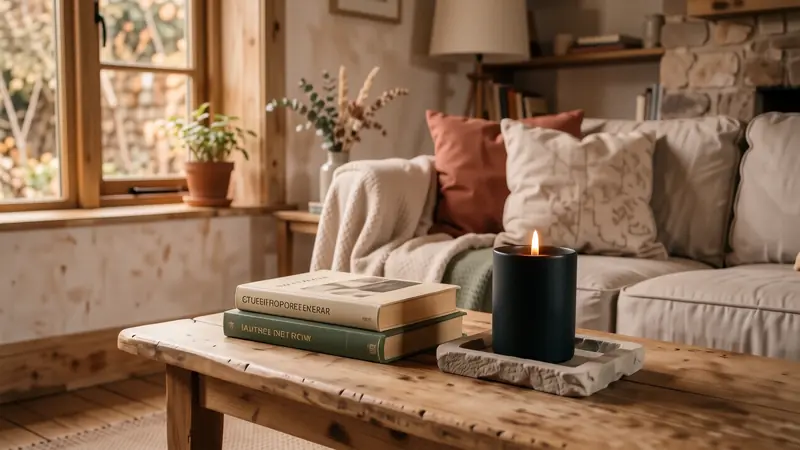
Empty surfaces can feel lonely, but cluttered ones feel stressful. The secret lies in purposeful grouping. Instead of scattering small trinkets across every shelf, gather them onto a single wooden tray or a marble slab.
This creates ‘islands’ of interest that the eye can easily process. A tray on a coffee table holding one candle and two books feels like a deliberate design choice rather than accidental mess. When you are decluttering this weekend, ask yourself if an object has a home or if it is just occupying space. If it doesn’t serve a function or spark genuine joy, move it to a storage bin out of sight.
Clear surfaces calm the mind.
Bringing Nature Indoors
Plants are the lungs of a minimalist home. They add life, movement, and a splash of natural color without needing complex decor. However, avoid the ‘urban jungle’ look which contradicts minimalism.
Select one or two large-scale plants rather than twenty tiny succulents. A tall Fiddle Leaf Fig in a terracotta pot or a sculptural Olive Tree in a stone planter adds architectural interest. These larger pieces act as living sculptures. If you lack a green thumb, dried eucalyptus in a heavy glass vase offers a similar organic feel with much less maintenance. The key is to let the greenery be the main event.
- Choose large-leaf plants for impact.
- Use earthy ceramic pots.
- Group plants in odd numbers.
The Longevity of Quality
Minimalism is not about owning nothing; it is about owning the right things. When you do buy something, invest in pieces that will last decades rather than months. A solid walnut side table or a hand-woven wool rug might cost more upfront, but they won’t end up in a landfill by next year.
This philosophy shifts your mindset from consumption to curation. You begin to look for craftsmanship—the way a joint is fitted in wood or the weight of a linen fabric. This slower approach to decorating results in a home that feels collected over time rather than bought from a catalog in a single afternoon. Your space will eventually reflect your personal history and values.
Quality beats quantity every time.
Frequently asked questions
How can I make a minimalist room feel less cold?
Add warmth through textures like chunky knits, wool rugs, and linen curtains. Use warm-toned lighting (2700K) to soften the atmosphere.
Is minimalism expensive?
It can be, but it doesn't have to be. Focus on decluttering what you have first, then invest slowly in a few high-quality pieces rather than many cheap ones.
Can renters do minimalist decor?
Yes. Use renter-friendly solutions like peel-and-stick wallpaper in neutral tones, command hooks for art, and large rugs to cover unattractive flooring.
What colors work best for a warm minimalist look?
Look for earth tones such as oatmeal, sand, muted terracotta, sage green, and creamy off-whites instead of stark white or grey.
More ideas → Cozy Decor Styles: Cottagecore, Japandi & More
Keep reading
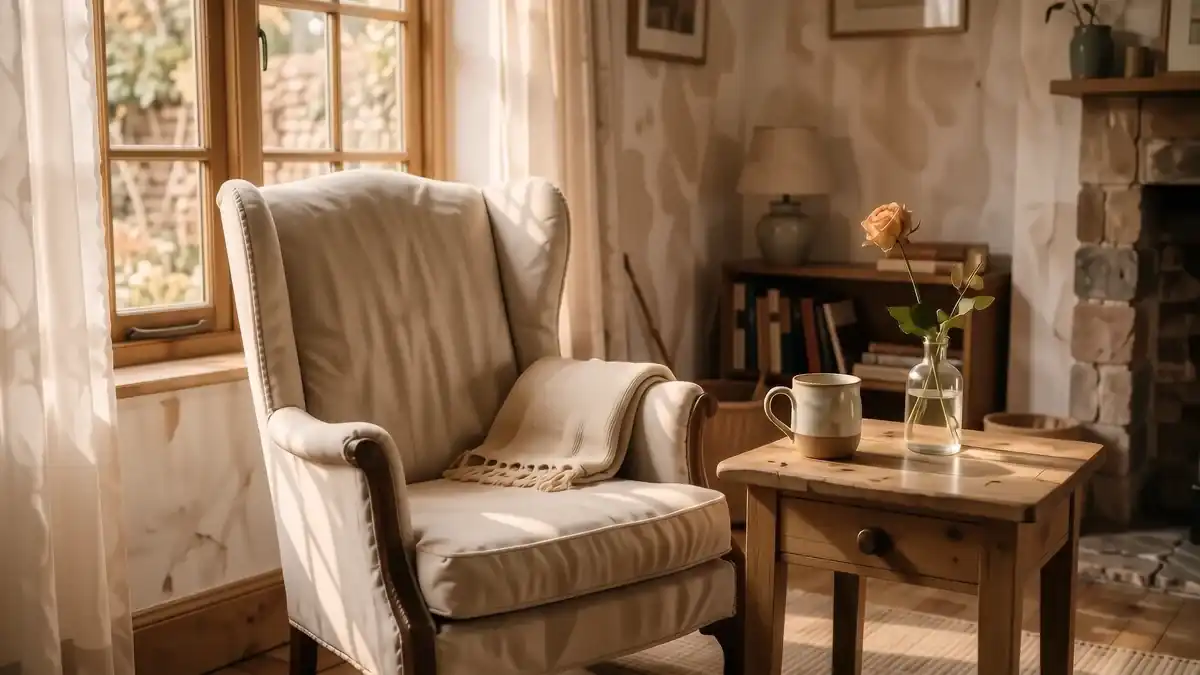
Easy Ways to Style Cottagecore Home Decor
Bring warmth into your space with practical cottagecore home decor tips. Discover how to use linen, dried florals, and warm light for a cozy retreat.
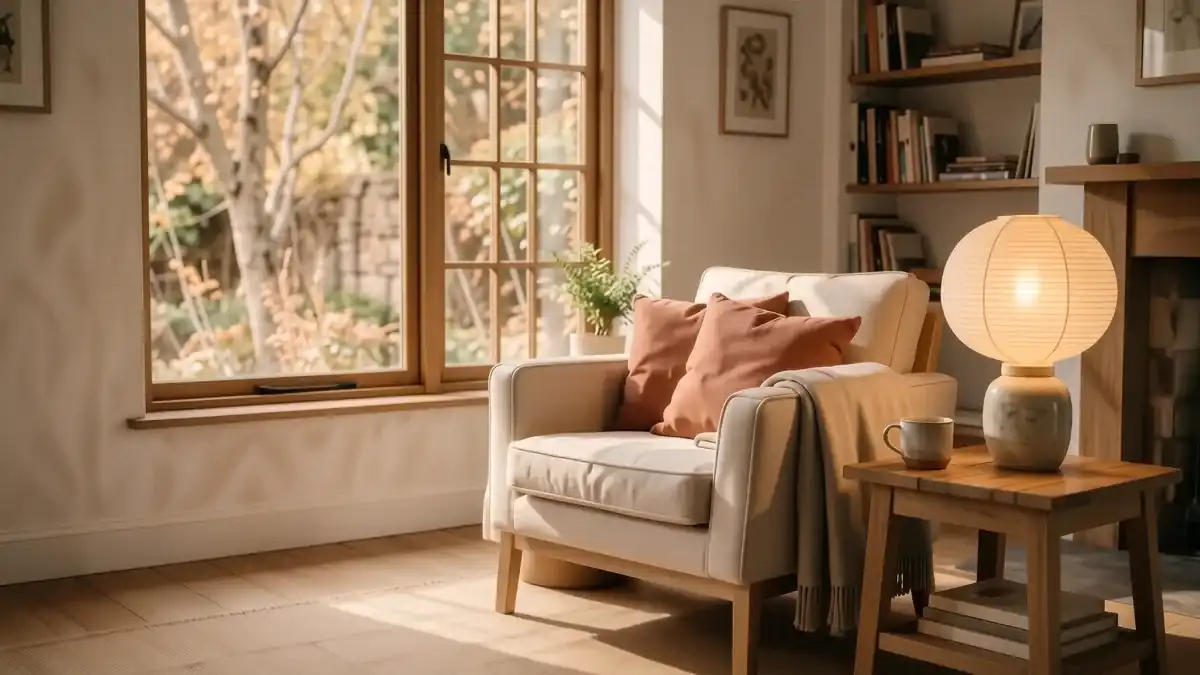
How to Master Japandi Decor This Weekend
Bring calm home with practical japandi decor tips. Learn how to mix warm wood, soft textures, and functional minimalism for a cozy sanctuary.
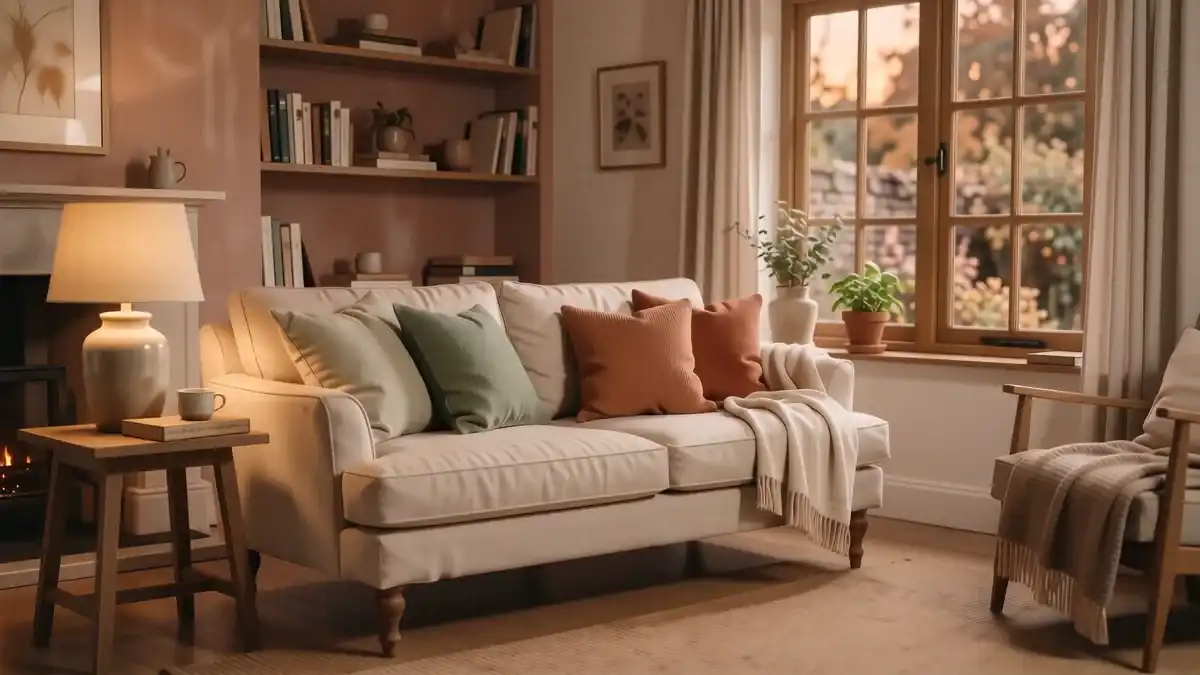
How to Master Cosy Farmhouse Decor This Weekend
Warm, lived-in cosy farmhouse decor for real homes. Learn about textures, lighting, and renter-friendly ways to add warmth today.
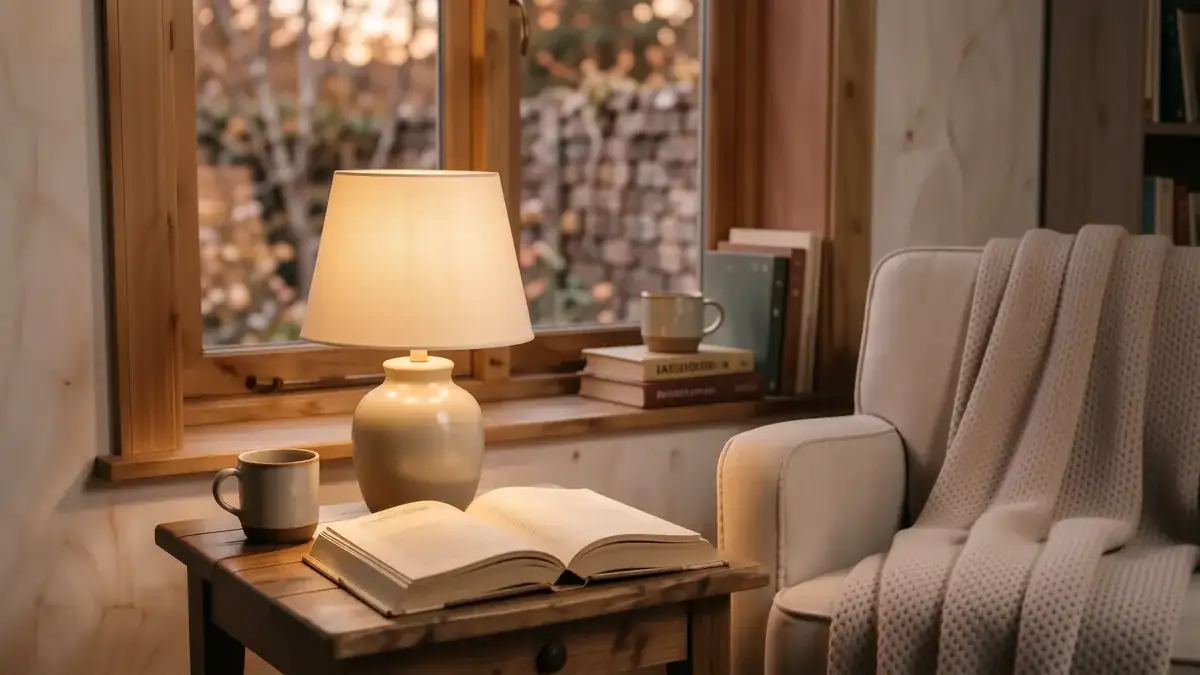
Warm Glows: Practical Cozy Home Lighting Ideas
Practical cozy home lighting ideas, minus the fluff. Learn about light temperatures, layered lamp placement, and renter-friendly glow tips.