Warm Glows: Practical Cozy Home Lighting Ideas
 Save
Save The sun dips below the horizon, leaving your living room feeling cold and cavernous under a single, harsh overhead bulb. True comfort starts when you switch off that ceiling glare and embrace a soft, intentional amber glow.
The Golden Rule of Kelvins
Stop buying generic white bulbs at the grocery store. If your light feels clinical or like an office waiting room, it is likely because the color temperature is too high. For a cozy den lighting setup, you want to stay between 2200K and 2700K. This range mimics the warmth of a sunset or a beeswax candle.
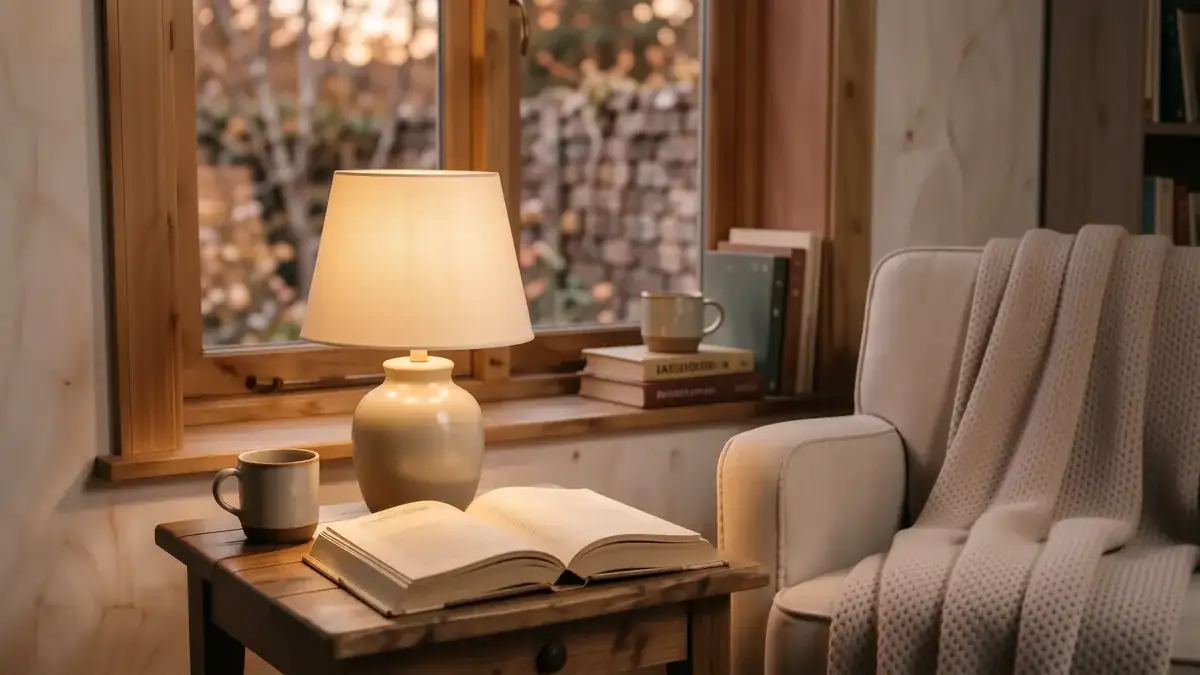
Look for ‘Warm White’ labels on the packaging. I personally keep a box of Philips Hue bulbs in my pantry specifically for when the winter blues hit hard. A single 2700K bulb in a bedside lamp changes everything. It signals to your brain that the workday is over and rest can begin.
- Use 2200K for accent lamps near seating.
- Stick to 2700K for reading lights.
- Avoid anything labeled ‘Daylight’ or ‘Cool White’ in living areas.
Layering for Depth
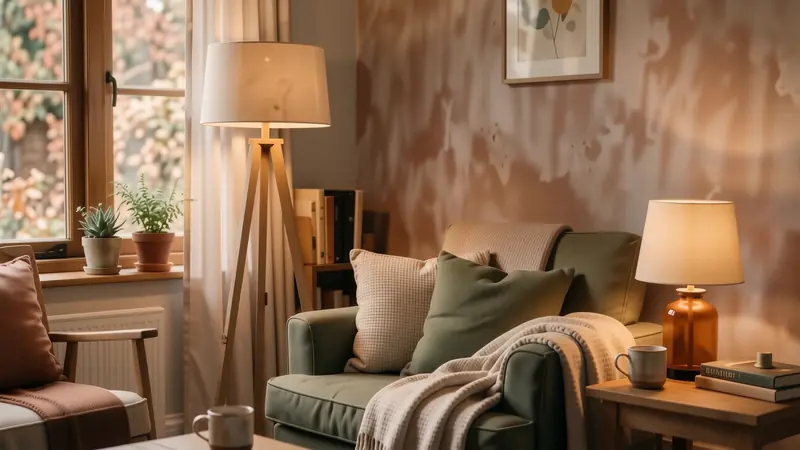
Lighting should never come from just one source. A room feels flat when every corner is hit by the same intensity of brightness. Instead, think in layers: ambient, task, and accent.
Start with your base layer using floor lamps that bounce light off the ceiling. Then, add task lighting like a brass swing-arm lamp for your reading nook. Finally, use accent lights to highlight textures or art. This creates shadows. Shadows are actually what make a room feel cozy because they provide visual rest.
Imagine a corner with a tall linen shade floor lamp and a small mushroom-style table lamp on a low shelf. The interplay of these different heights prevents the eye from getting bored. It makes the space feel lived-in and curated rather than staged.
Texture and Light Diffusion
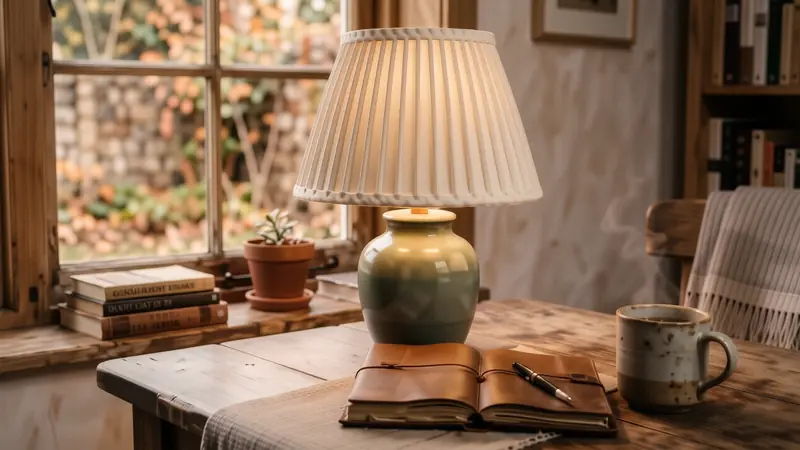
The material of your lampshade dictates the soul of the light. A thin paper shade provides a crisp, bright glow, while heavy linen or pleated fabric softens the edges into something much more forgiving. If you want that classic cafe lighting feel, look for frosted glass or ribbed textures.
I love using pleated cotton shades in a warm oatmeal color to diffuse light evenly across a desk. This prevents harsh glares on your laptop screen during late-night sessions. Avoid plastic shades if possible; they often create an artificial, cheap looking sheen that breaks the mood. Instead, opt for natural materials like rattan, wood, or heavy ceramic.
A woven cane shade will cast beautiful, patterned shadows across your walls when the sun goes down. This adds a layer of organic movement to even the simplest room.
Renter-Friendly Glows
You don’t need to rewire your apartment to fix the lighting. Many renters feel stuck with those terrible, bright overhead fixtures that come standard in most buildings. The secret is to avoid the ceiling entirely.
Plug-in wall sconces are a lifesaver for small spaces or dorm rooms. You can find beautiful brass or matte black versions that hang from a simple command hook system. They provide the look of permanent lighting without the electrical headache. Battery-operated LED puck lights are another trick for dark bookshelves.
- Use plug-in sconces for reading nooks.
- Wrap fairy lights around a mirror frame.
- Place rechargeable cordless lamps on dining tables.
The Cozy Lighting Desk Setup
Working from home often means sacrificing atmosphere for productivity. However, your workspace doesn’t have to feel like a cubicle. A dedicated cozy lighting desk setup can actually help you focus by creating a ‘micro-environment’.
Avoid using the main room light while you work. Instead, use a small task lamp with a warm bulb and perhaps a soft LED strip behind your monitor. This reduces eye strain significantly. I prefer a heavy, mid-century modern desk lamp in a dark bronze finish.
The goal is to illuminate only what you are doing. By keeping the rest of the room dim, you create a sense of privacy and calm. It turns a chore into a ritual.
Creating Cafe Vibes at Home
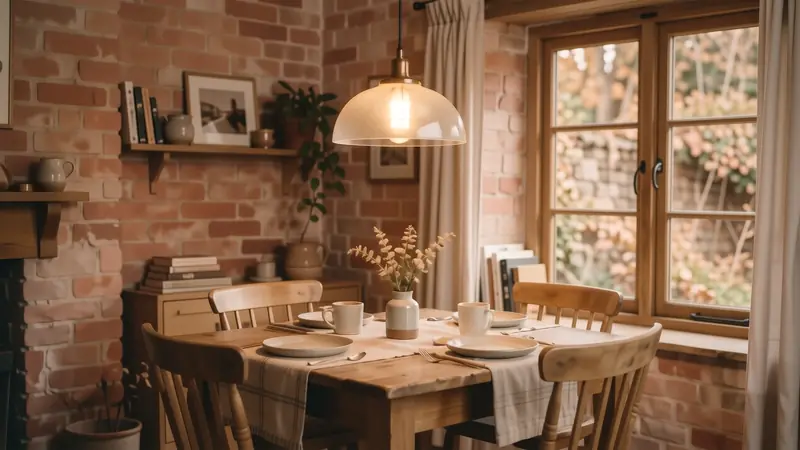
There is a specific magic to cafe lighting that feels intimate and communal. It usually involves low-hanging pendants or string lights that sit at eye level rather than high above your head. This brings the light down into the human sphere.
If you have a dining nook, try hanging a single low pendant lamp over the table. A glass globe with a dimmable Edison bulb works beautifully here. The visible filament adds a vintage touch that feels intentional and warm. It makes every dinner feel like an event.
For a more casual vibe, use heavy-duty cafe string lights along a kitchen backsplash or a window frame. Just ensure they are the warm LED variety so they don’t look like a cheap party decoration.
The Power of Dimming
Control is the ultimate luxury in interior design. If you can’t install a dimmer switch, buy lamps that have built-in dimming capabilities or use smart bulbs. Being able to transition from ‘reading mode’ to ‘movie night mode’ is essential.
Smart bulbs allow you to adjust brightness via your phone or voice. This is perfect for when you are already tucked under a heavy wool blanket and don’t want to get up. You can set a schedule so the lights slowly brighten in the morning and dim as evening approaches.
A lamp that stays at 10% brightness feels completely different than one at 80%. That subtle shift is where the true coziness lives.
Small Details and Accents
Don’t overlook the tiny sources of light that fill the gaps in your decor. A small candle on a windowsill or a salt lamp in a corner provides a low-level glow that feels incredibly grounding. These aren’t meant to light the room, but to provide points of interest.
I often place a single taper candle in a heavy stoneware holder near my favorite reading chair. The movement of a real flame adds a living element to the space. If you prefer something safer, high-quality flameless LED candles with a ‘moving flame’ effect are surprisingly convincing.
These small touches act as the punctuation marks in your room’s lighting story. They tie the larger lamps together into one cohesive feeling.
Frequently asked questions
What is the best bulb color for a cozy living room?
Look for bulbs with a color temperature between 2200K and 2700K. This range provides a warm, golden glow similar to candlelight.
How can I make my dorm room lighting cozier?
Avoid the harsh overhead light by using battery-operated fairy lights, plug-in sconces, or small desk lamps with fabric shades.
Can RGB lights be cozy?
Yes, if you stick to warm tones like amber, soft orange, or deep red. Avoid bright blues or greens which can feel too energetic for a relaxing space.
Why does my light feel too bright even with small lamps?
You might be using bulbs with a high lumen count or a color temperature that is too 'cool' (above 3000K). Switch to lower lumen, warmer bulbs.
More ideas → Cozy Lighting Ideas for Every Room
Keep reading
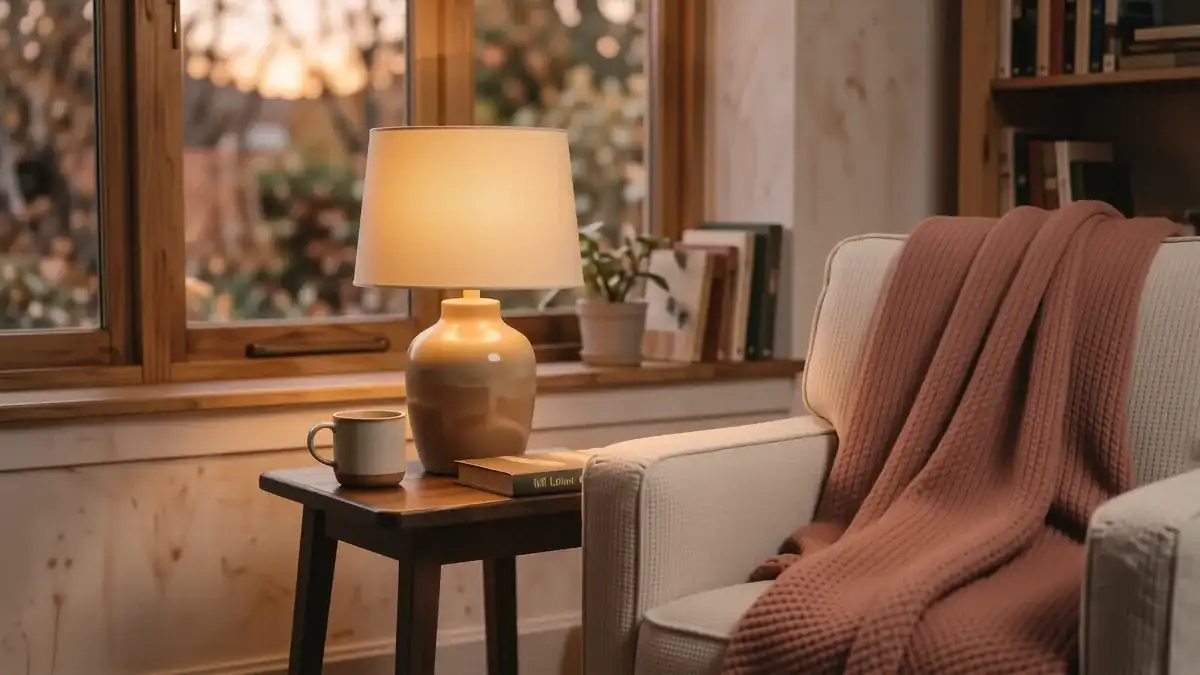
7 Cozy Room Lighting Ideas for a Warmer Home
Cozy room lighting ideas, room by room. Learn how to use warm tones, layered lamps, and soft textures to create instant hygge.
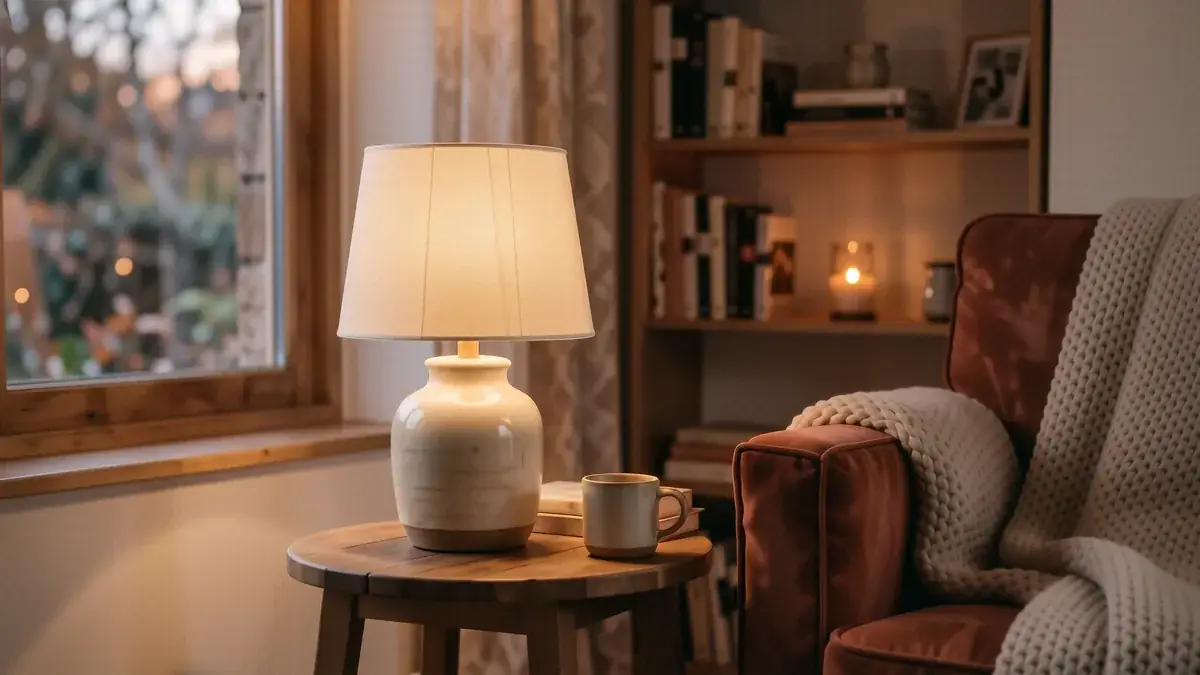
Warm & Snug Lighting Ideas for a Cosier Home
Snug lighting ideas that actually work. From warm bulb temperatures to renter-friendly lamp styling, find your glow.
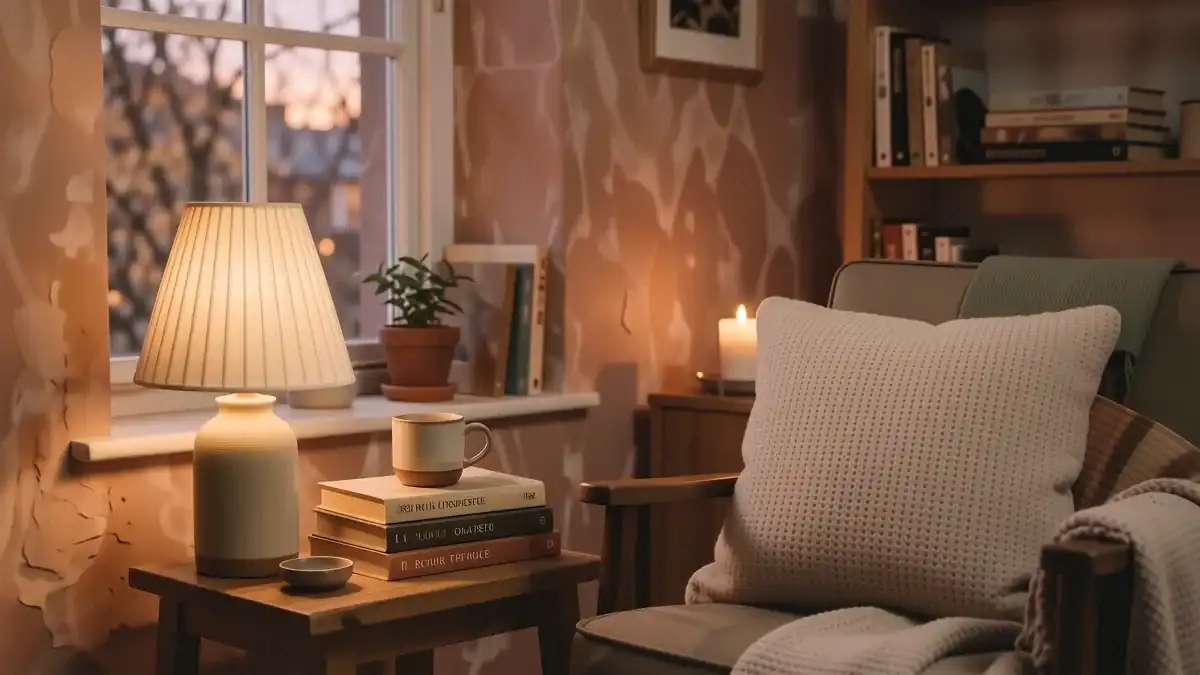
Warm and Cozy Apartment Lighting Ideas for Small Spaces
Cozy apartment lighting ideas you can pull off on a budget. From warm bulb temperatures to layered textures, create a sanctuary this weekend.
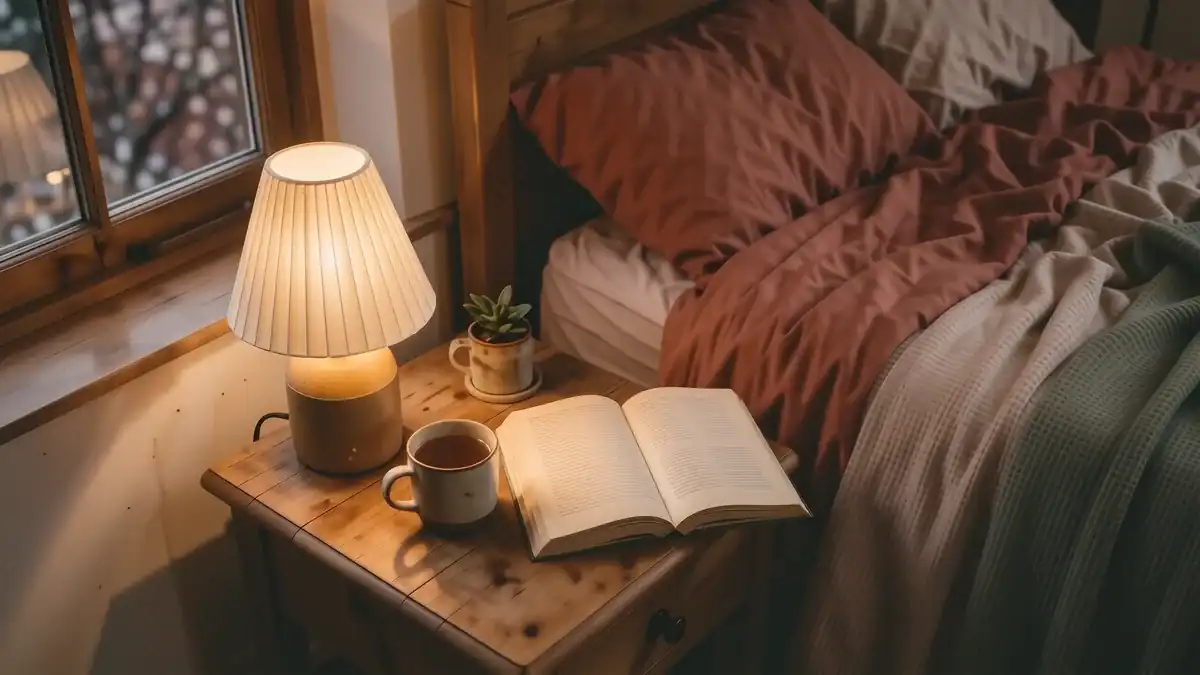
Warm and Cozy Bedroom Lighting Ideas for Your Sanctuary
Simple cozy bedroom lighting ideas that shift the whole mood. Learn how to use warm bulbs, layered lamps, and soft textures to create a restful retreat.