Warm & Snug Lighting Ideas for a Cosier Home
 Save
Save There is a specific kind of magic that happens when the sun dips below the horizon and you reach for a small lamp instead of the big overhead light. It turns a cold room into a sanctuary. We are looking at simple, tactile ways to layer warmth into every corner this weekend.
The Golden Rule of Kelvins
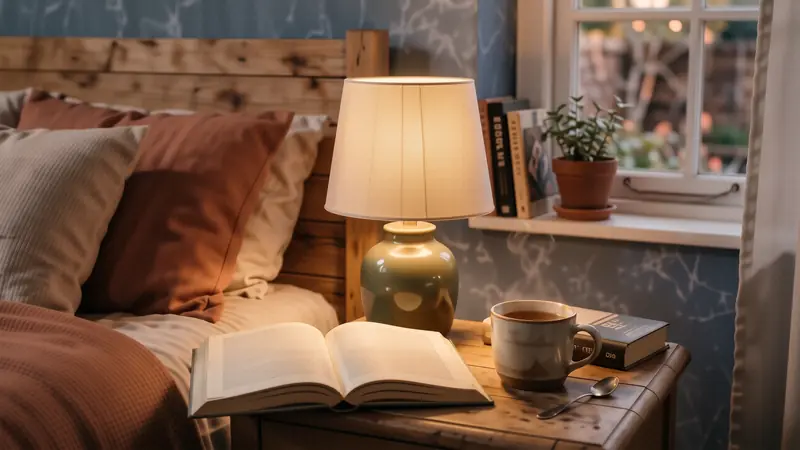
Stop reaching for those bright white bulbs that make your living room feel like a sterile dentist’s office. To achieve true coziness, you need to look at the Kelvin scale on the packaging. Aim for 2700K or even 2200K if you want that amber, candle-like glow. Most people settle for 3000K, which is fine, but it lacks the honeyed depth required for a real den feeling.
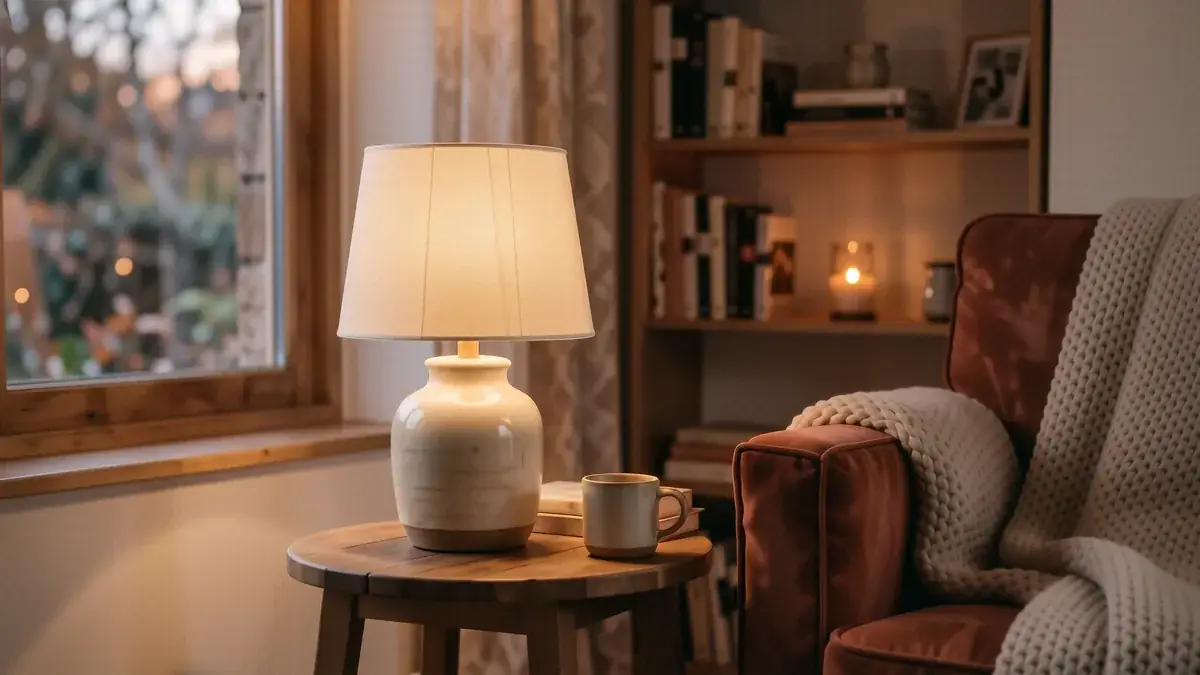
Check your existing bulbs today. If they feel harsh, swap them for warm LEDs from a brand like Philips or Osram. A single 40W equivalent bulb in a linen-shaded lamp can change the entire mood of a reading nook. It creates a soft pool of light rather than a flat wash.
- 2700K: Warm white, standard cozy.
- 2200K: Amber/Candlelight, very intimate.
Layering with Low-Level Lamps
The biggest mistake in home styling is relying on the ceiling fixture. Overhead light flattens everything and kills any sense of depth. Instead, try to place your light sources at eye level or lower. This creates shadows that make a room feel larger and more mysterious.
Think about your floor lamps. A tall, arched lamp in a corner provides height, while a small mushroom-style lamp on a sideboard adds mid-level interest. For renters, plug-in wall sconces are a lifesaver because they require zero wiring. You can simply screw them into the drywall or use heavy-duty command strips for lighter models.
Try placing one light near the floor behind a large plant. This casts dramatic, leafy shadows against your walls. It feels incredibly intentional.
Texture and Light Interplay
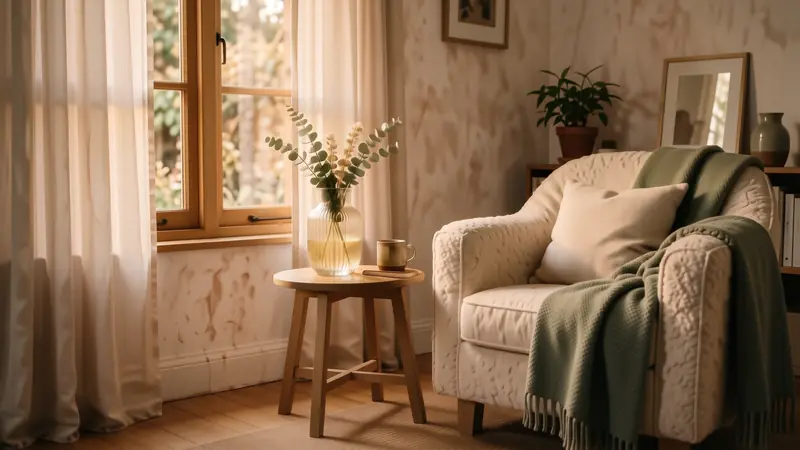
Light doesn’t just sit in a room; it reacts to what it touches. If you have smooth, white walls, the light will bounce harshly. To soften the atmosphere, introduce materials that soak up or diffuse the glow. Think about tactile fabrics like heavy velvet curtains or chunky wool throws.
Materials matter immensely here. A pleated silk shade will create beautiful vertical lines of light, while a rattan basket lamp will throw patterned shadows across your ceiling. If you want a more modern look, consider frosted glass or ribbed textures. These break up the beam into something much gentler on the eyes.
A single linen cushion in a muted terracotta can catch the edge of a lamp’s glow and feel incredibly inviting. It adds weight to the visual landscape.
Creating Snug Kitchen Ideas
Kitchens are often too bright and functional. We spend so much time there, yet the lighting is usually clinical. You can change this without any renovation by adding task lighting that feels personal. Under-cabinet LED strips are a great start, but choose ones with a warm temperature.
If you have an island or a breakfast nook, add a small battery-operated cordless lamp. These are perfect for dining because they don’t require messy cords running across your clean counters. A small brass lamp sitting near a bowl of lemons adds instant character. It turns a workspace into a lived-in heart of the home.
Avoid using the main pendant light during dinner. Instead, rely on those smaller, localized sources to keep the conversation feeling intimate and relaxed.
The Magic of Fairy Lights and RGB
While some find them cliché, properly used string lights can add a whimsical layer to a bedroom or a reading corner. Avoid the cheap, tiny plastic versions that look like Christmas decorations left up too long. Look for ‘warm white’ copper wire LEDs which disappear into the decor.
If you enjoy tech, cozy lighting RGB options allow you to shift colors based on your mood. However, avoid the neon blues or harsh greens often found in gaming setups. Instead, use smart bulbs to set a permanent ‘sunset’ mode—a soft peach or a dusty rose hue. This mimics the natural end of the day.
Use them to outline a bookshelf or tuck them into a glass jar on a mantle. They should be a subtle accent, not the main event.
Candlelight as the Ultimate Tool
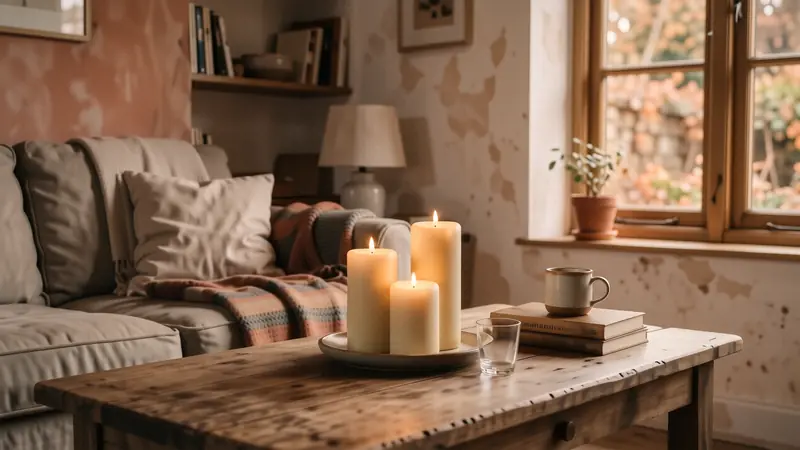
Nothing beats the organic flicker of a real flame for creating atmosphere. If you are worried about safety, high-quality LED pillar candles with a moving wick effect have come a long way. They provide that rhythmic movement that human eyes find naturally calming.
Group your candles in odd numbers—three or five works best. Use different heights to create visual interest on a coffee table or mantelpiece. A mix of unscented pillars for atmosphere and lightly scented soy candles for the senses is a winning combination. Avoid heavy, artificial scents that overwhelm a small space.
Place them near reflective surfaces like a brass tray or a mirror. This doubles the amount of light without adding any extra heat or glare.
Nursery Glow and Gentle Spaces
Creating a calm environment for a little one requires even more thought regarding light. You want to avoid any sudden shifts from bright to dark, which can be startling. A dimmable nightlight or a soft fabric lamp is essential for late-night feedings.
Look for lamps with natural materials like wood or cotton. Avoid anything with sharp edges or small parts that could be easily knocked over. A soft, warm glow helps regulate circadian rhythms and signals to the brain that it is time to wind down. It makes the nursery feel safe and enclosed.
Think about a small salt lamp for a very low-level, orange hum of light. It provides enough visibility to navigate without waking the baby fully.
Outdoor Transitions for the Patio
Bringing coziness outside is often overlooked. If you have a small balcony or a snug harbour patio, don’t leave it in the dark after 6 PM. Weatherproof string lights are your best friend here. Look for Edison-style bulbs which offer a vintage, warm aesthetic.
Lanterns are also incredibly effective. Place large, heavy lanterns on the ground near seating areas to create a low-level glow that mimics a campfire. This keeps the light focused on the people sitting there rather than lighting up the sky unnecessarily.
Solar lights can work, but they often lack the brightness needed for real ambiance. If you have an outdoor outlet, stick to plug-in versions for more reliable warmth. It makes your garden feel like an extra room of the house.
The Art of Dimming
If you do nothing else this weekend, buy a few plug-in dimmer switches. They are inexpensive and require no electrical work. You simply plug your lamp into the dimmer, then plug that into the wall.
This gives you total control over the room’s energy. During a dinner party, you can keep the light at 70% to allow for conversation. When it is time to watch a film, drop it to 15%. It allows one single lamp to serve multiple purposes throughout the day.
Control is the key to comfort. When you can adjust your environment to match your internal state, the home truly becomes a sanctuary.
Frequently asked questions
How do I make my room cozy without changing the light bulbs?
Try adding more lamps at different heights or use warm-toned fabric shades to soften existing light. You can also use battery-operated tea lights.
Are smart bulbs worth it for cozy lighting?
Yes, if you choose models that allow for warm Kelvin adjustments. They let you set specific 'sunset' scenes via your phone.
What is the best light color for relaxation?
Aim for colors in the 2000K to 2700K range. These amber tones mimic natural firelight and help your body prepare for sleep.
Can I use fairy lights in a living room?
Absolutely, provided you choose high-quality copper wire versions with warm white LEDs rather than multicolored holiday lights.
More ideas → Cozy Lighting Ideas for Every Room
Keep reading
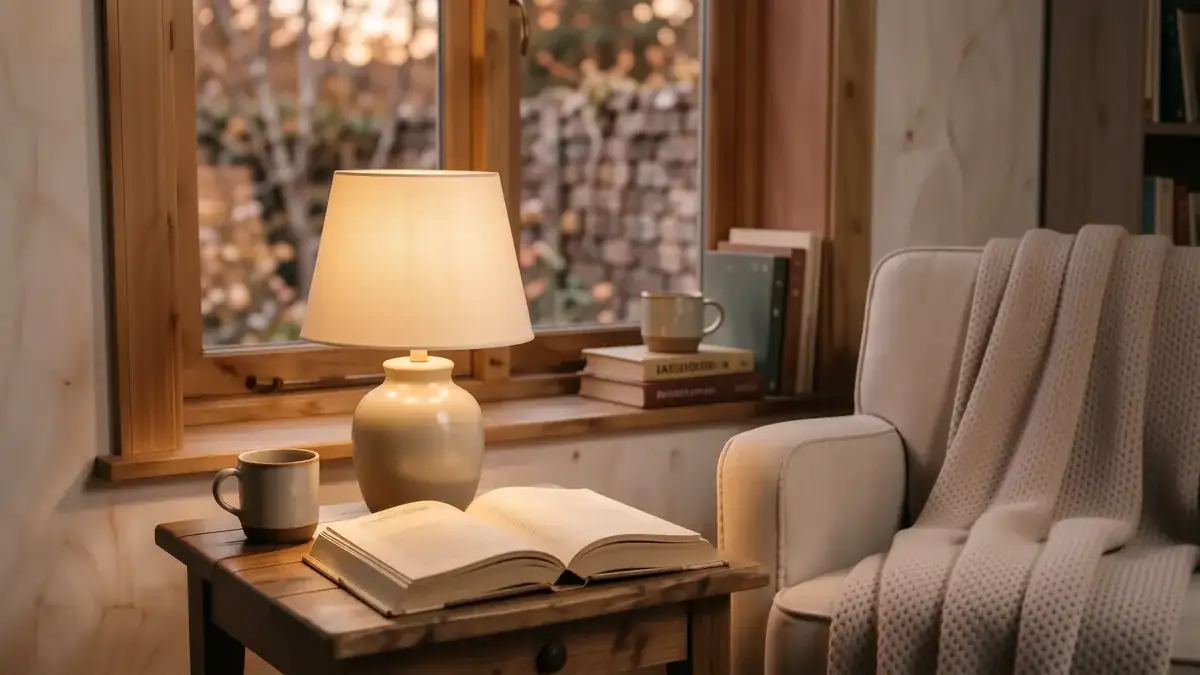
Warm Glows: Practical Cozy Home Lighting Ideas
Practical cozy home lighting ideas, minus the fluff. Learn about light temperatures, layered lamp placement, and renter-friendly glow tips.
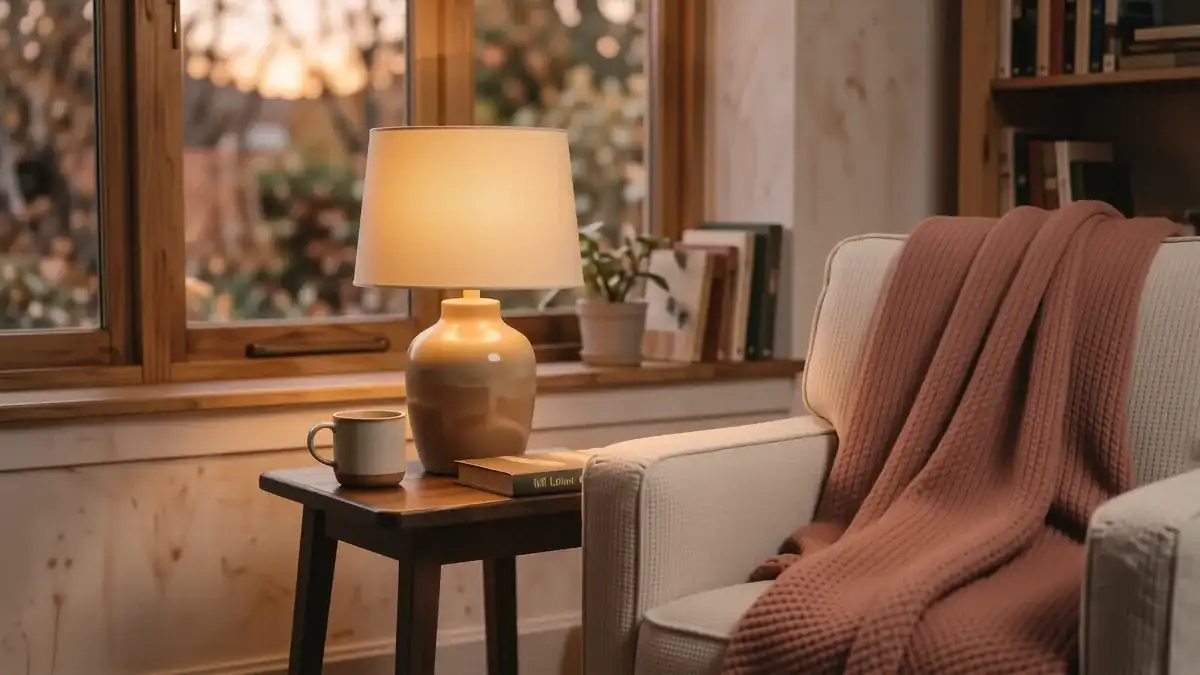
7 Cozy Room Lighting Ideas for a Warmer Home
Cozy room lighting ideas, room by room. Learn how to use warm tones, layered lamps, and soft textures to create instant hygge.
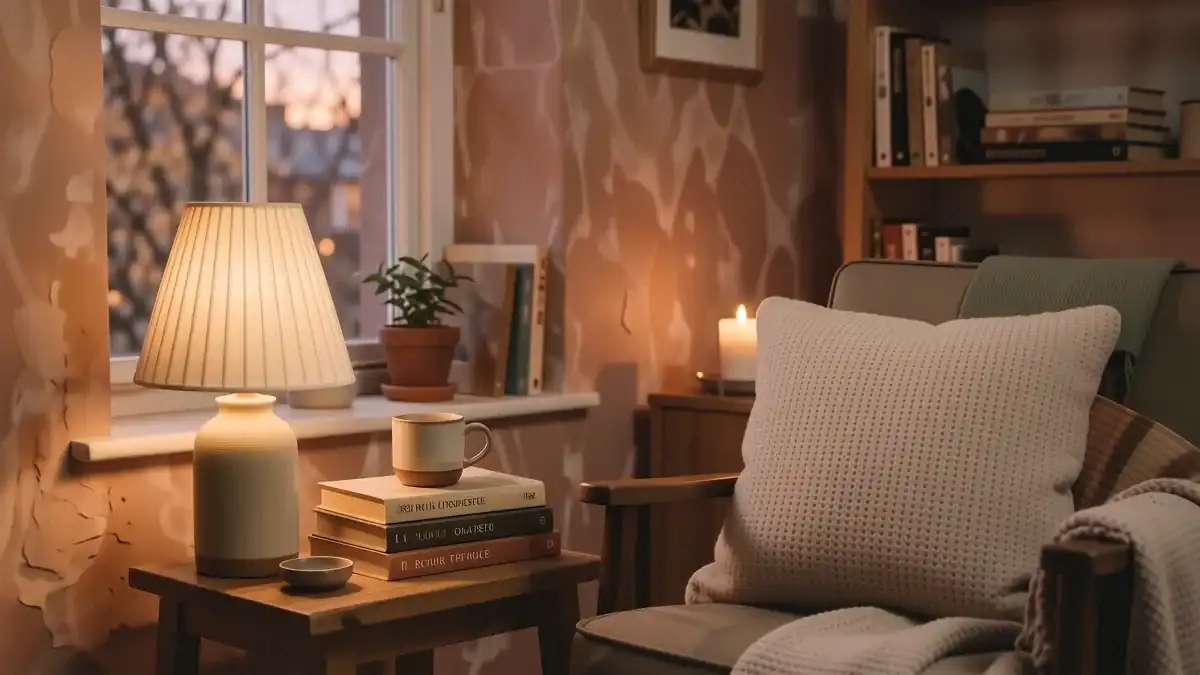
Warm and Cozy Apartment Lighting Ideas for Small Spaces
Cozy apartment lighting ideas you can pull off on a budget. From warm bulb temperatures to layered textures, create a sanctuary this weekend.
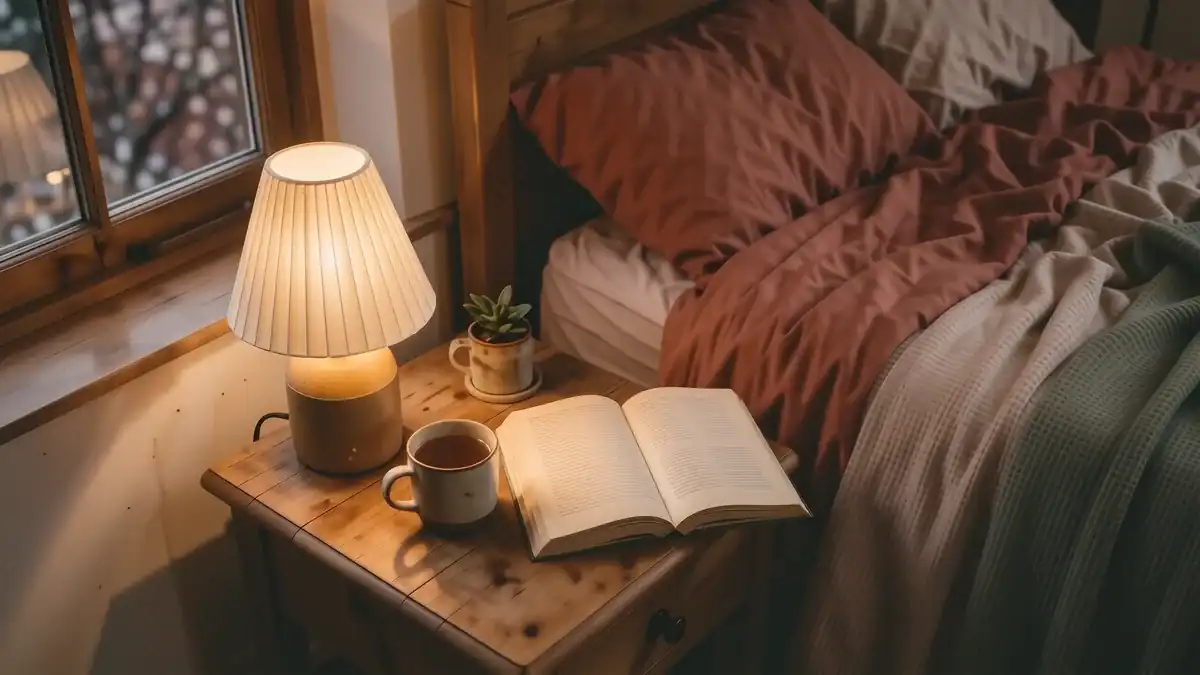
Warm and Cozy Bedroom Lighting Ideas for Your Sanctuary
Simple cozy bedroom lighting ideas that shift the whole mood. Learn how to use warm bulbs, layered lamps, and soft textures to create a restful retreat.