How to Create Cozy Nursery Decor This Weekend
 Save
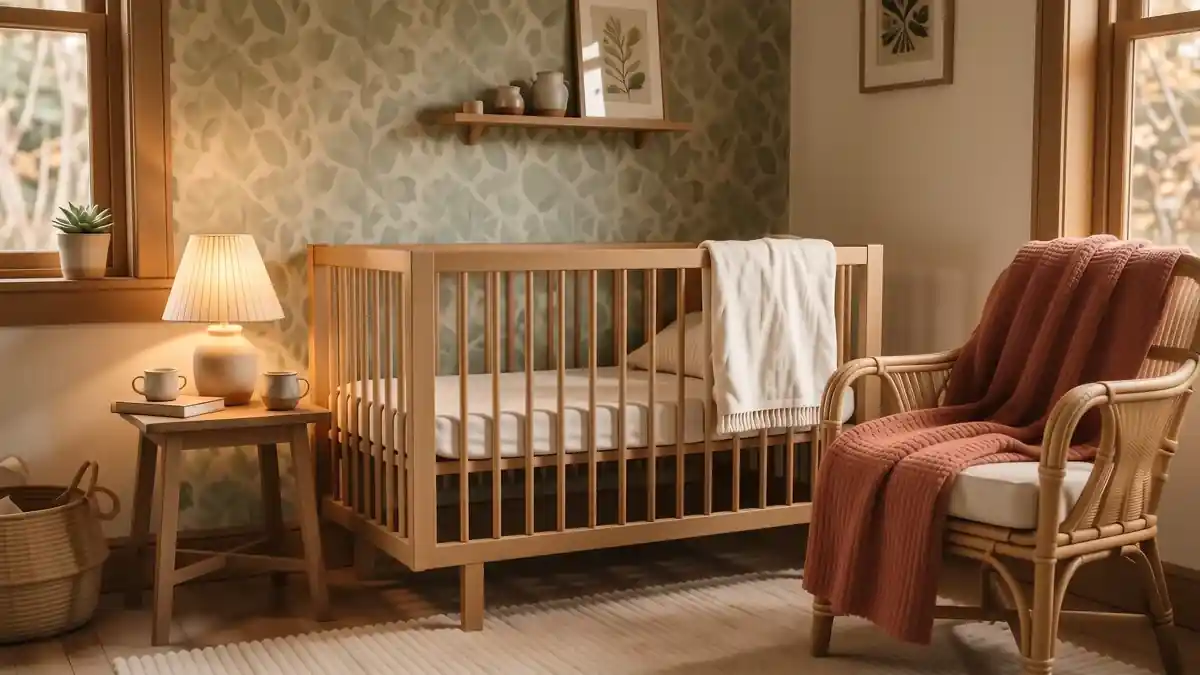
Save The first time you hold your baby in a quiet, dimly lit room, the atmosphere changes everything. You want that space to feel like a soft exhale, a calm retreat from the frantic energy of new parenthood. This guide offers concrete, weekend-ready steps to build that warmth without needing a full renovation.
Start with the Foundation: A Soft Rug
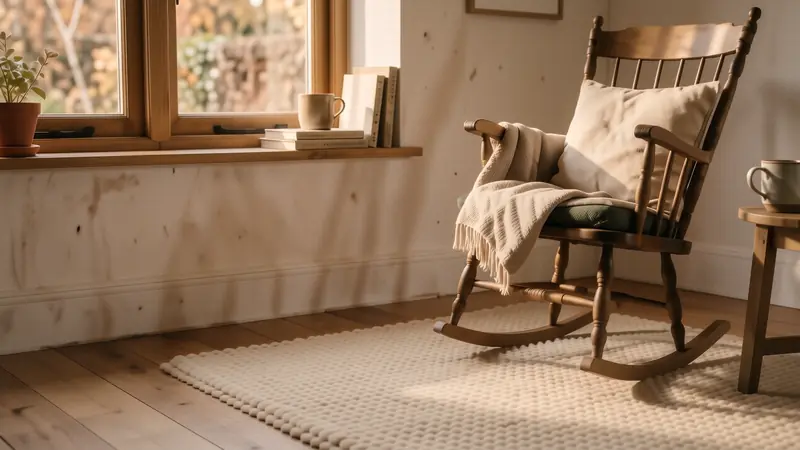
A bare floor feels cold and clinical underfoot during those 3:00 AM feedings. To ground your cozy nursery room, prioritize a high-pile rug that offers actual cushioning for your knees. Look for a wool-blend or a thick cotton weave in a muted oatmeal or sage green shade. Avoid thin, synthetic mats that slide easily across hardwood.
A plush, 5x7 washable rug provides enough surface area for a play zone while remaining easy to clean after inevitable spills. If you are renting, a heavy jute rug layered with a smaller sheepskin faux-fur piece adds immediate depth and warmth. These layers create a tactile richness that synthetic materials simply cannot mimic.
- Material: Wool or organic cotton.
- Color: Warm stone or soft clay.
- Size: At least 5’ x 7’.
Layering Textures for Tactile Comfort
Texture is the secret language of comfort. You can transform a sterile space into a cozy nursery by mixing different fabric weights and weaves. Think about how a chunky knit throw feels against a smooth linen curtain. This contrast prevents the room from feeling flat or one-dimensional.
Try placing a heavy muslin blanket over a waffle-weave cotton quilt. These breathable, natural fibers regulate temperature well while looking beautiful when draped casually over a glider. Avoid shiny silks or stiff polyesters that feel scratchy against sensitive skin. Instead, lean into boucle fabrics for pillows or soft flannel for bedding.
A single velvet pillow in a muted terracotta can act as a visual anchor. It adds weight to the room’s aesthetic without requiring much physical space.
Mastering Low-Kelvin Lighting
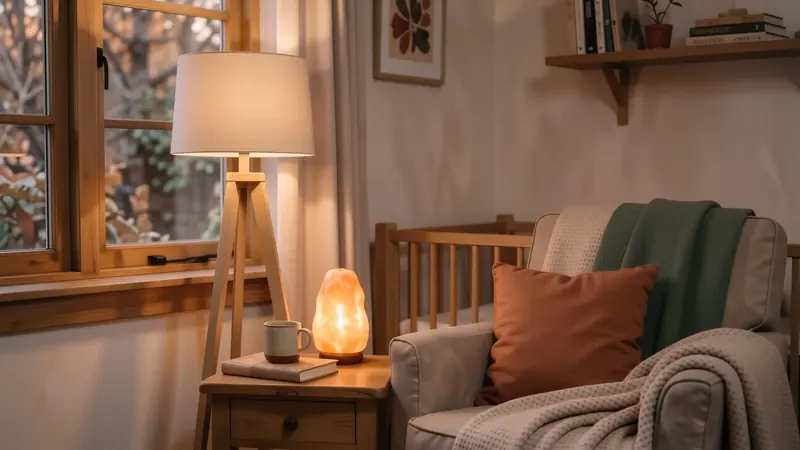
Harsh overhead lights are the enemy of calm. When the sun goes down, you need light that feels like a warm hug rather than an interrogation lamp. Aim for bulbs with a color temperature between 2200K and 2700K to mimic the golden glow of sunset.
A small salt lamp on a changing table provides a dim, amber radiance that won’t startle a sleeping infant. You might also consider a dimmable floor lamp with a linen shade to diffuse light softly across the ceiling. This prevents sharp shadows and creates a gentle wash of color throughout the space.
If you are restricted by outlet locations, cordless LED puck lights tucked inside a bookshelf can create subtle accent lighting. Always choose warm tones over cool blues or stark whites.
Wall Decor for Renter-Friendly Warmth
You don’t need to paint walls to change the mood. For those in apartments, peel-and-stick wallpaper in a subtle pattern can act as a focal point behind the crib. Look for designs featuring botanical motifs or soft watercolor shapes rather than loud, bright cartoons.
Framed art is another way to inject personality without permanent changes. Use lightweight wooden frames and hang them with command strips to avoid wall damage. A series of three small prints in linen-textured paper adds a sophisticated touch.
- Style: Botanical or abstract watercolor.
- Mounting: Command strips or tension rods.
- Frame Material: Light birch or natural oak.
The Importance of Natural Wood
Plastic furniture can feel cold and mass-produced. Integrating natural wood elements brings an organic, grounded feeling to your cozy nursery decor. A solid ash or birch changing table offers a sense of permanence and warmth that laminate cannot match.
Even small items like a wooden mobile or a set of stacking rings contribute to this aesthetic. These pieces catch the light differently than plastic surfaces do. They feel substantial in your hands during late-night shifts.
If you are on a budget, search for vintage wooden side tables at local thrift shops. A quick sanding and a coat of clear beeswax can make an old piece look brand new and incredibly inviting.
Curating a Calm Color Palette
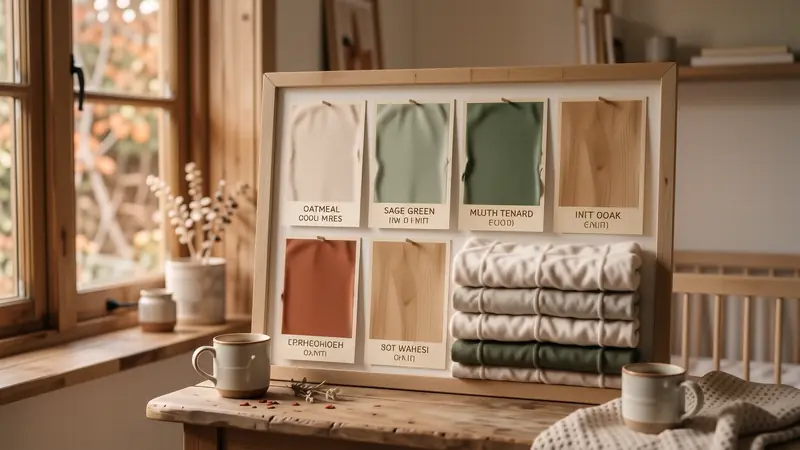
Color dictates the emotional temperature of a room. To keep things soothing, stick to a palette of desaturated tones. Instead of primary red, try a dusty rose or a muted terracotta. Instead of bright sky blue, opt for a soft slate or a pale eucalyptus.
These colors recede visually, making the space feel larger and quieter. You can use the 60-30-10 rule to keep things balanced: 60% dominant neutral (like warm oatmeal), 30% secondary color (like sage), and 10% accent (like a dark wood or brass).
Avoid high-contrast patterns that might overstimulate a baby’s developing eyes. A solid wall with one patterned pillow is much more relaxing than a room full of busy prints.
Functional Decor: The Diaper Station
Decor doesn’t have to be purely ornamental. A well-organized changing station is a form of decor that reduces daily stress. Use woven seagrass baskets to hold diapers, wipes, and creams. These natural textures look beautiful on a shelf while hiding the visual clutter of plastic packaging.
A small wooden tray can keep your most used lotions organized and within reach. This keeps the surface looking tidy rather than messy. When everything has a dedicated home, the room naturally feels more peaceful.
Consider adding a small, soft fabric bin for discarded clothes. It serves a purpose while contributing to the overall softness of the room’s design.
Creating a Reading Nook
Even if you aren’t reading aloud yet, a dedicated corner for books creates an atmosphere of slow living. A low wooden bookshelf allows you to display book covers forward, turning the books themselves into art. This makes it easy for tiny hands to grab a favorite story later on.
Pair this with a comfortable chair and a soft floor cushion. A single oversized linen pillow can turn any corner into a cozy reading spot for yourself during those quiet afternoon naps.
- Book display: Forward-facing shelves.
- Seating: Linen armchair or floor pouf.
- Accessory: A small woven basket for loose books.
Final Touches for Long-Term Comfort
As you move through the final stages of setup, remember that comfort is an ongoing process. The best rooms are those that evolve alongside the child. A crib can eventually become a toddler bed, and a rug will serve as a play mat for years to come.
Focus on quality over quantity. One beautiful, heavy linen curtain is better than three thin, polyester ones. One sturdy wooden toy chest is more valuable than a dozen small plastic bins.
As the nursery fills with memories, the objects you choose will reflect the warmth you’ve worked so hard to build.
Frequently asked questions
How can I make a small nursery feel cozy without cluttering it?
Focus on vertical space. Use wall-mounted shelves for books and choose furniture with legs to show more floor, which creates an illusion of openness.
What are the best colors for a calming nursery?
Stick to desaturated earth tones like sage green, warm oatmeal, muted terracotta, or dusty blue. These shades promote relaxation.
Is it okay to use bright colors in a baby's room?
A few pops of color are fine for toys or small accessories. However, keep the large surfaces like walls and rugs neutral to avoid overstimulation.
How do I make a nursery cozy on a tight budget?
Prioritize textures. A single soft throw blanket and some thrifted wooden items can transform a room more effectively than expensive new furniture.
More ideas → Cozy Bedroom Ideas
Keep reading

Warm and Cozy Bedroom Lighting Ideas for Your Sanctuary
Simple cozy bedroom lighting ideas that shift the whole mood. Learn how to use warm bulbs, layered lamps, and soft textures to create a restful retreat.
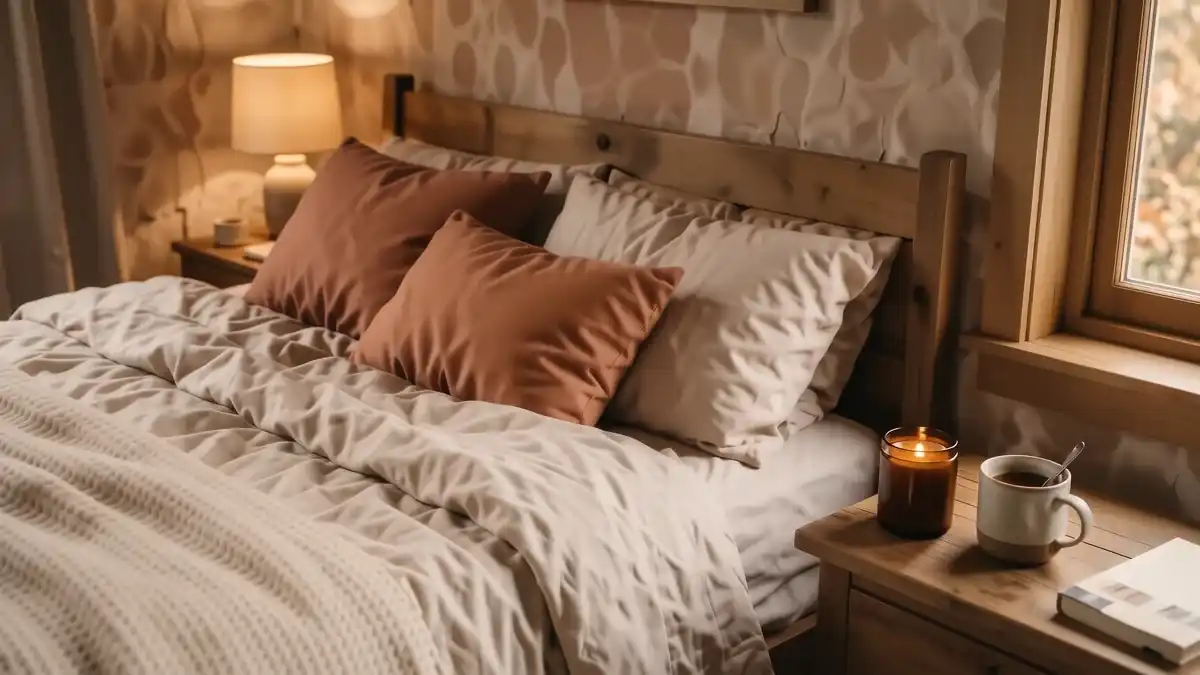
Simple Hygge Bedroom Ideas for a Restful Retreat
Practical hygge bedroom ideas — layered bedding, warm low light and calm earthy colors that turn your bedroom into a restful retreat.
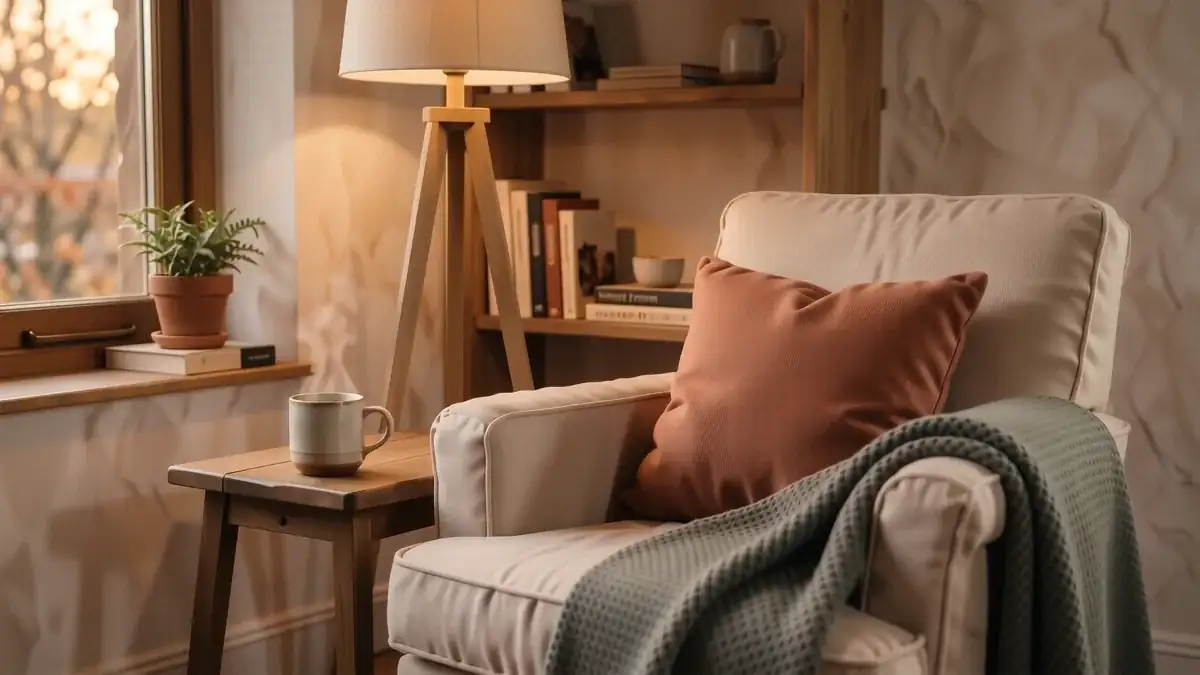
Small Space Comfort: Practical Cozy Apartment Decor
Cozy apartment decor you can do this weekend. Learn about warm lighting, tactile textures, and renter-friendly styling for every small room.
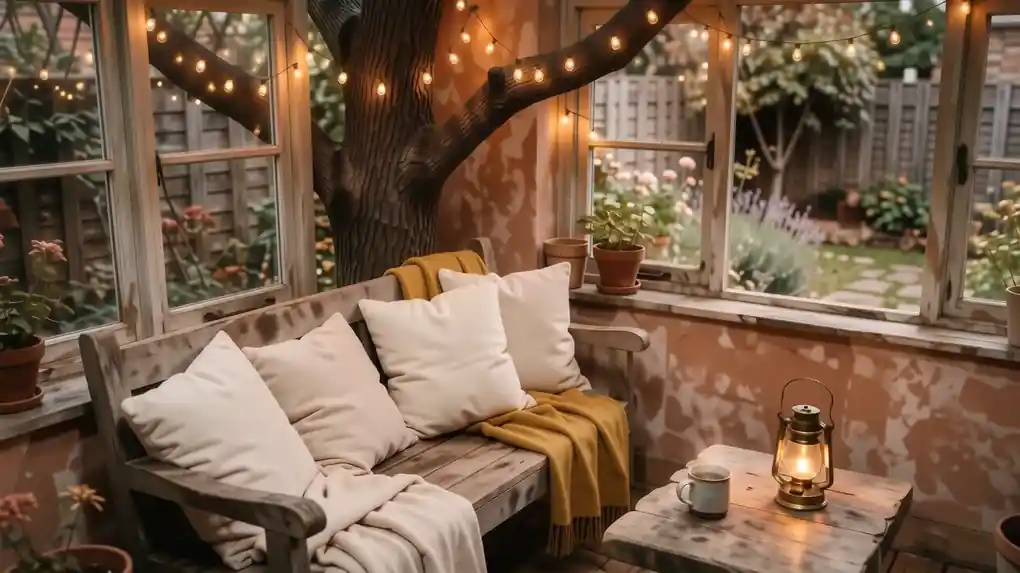
Simple Ways to Create Cozy Backyard Decor
Simple cozy backyard decor that shift the whole mood. From warm lighting to soft textures, learn how to build a relaxing garden escape.