Simple Hygge Bedroom Ideas for a Restful Retreat
 Save
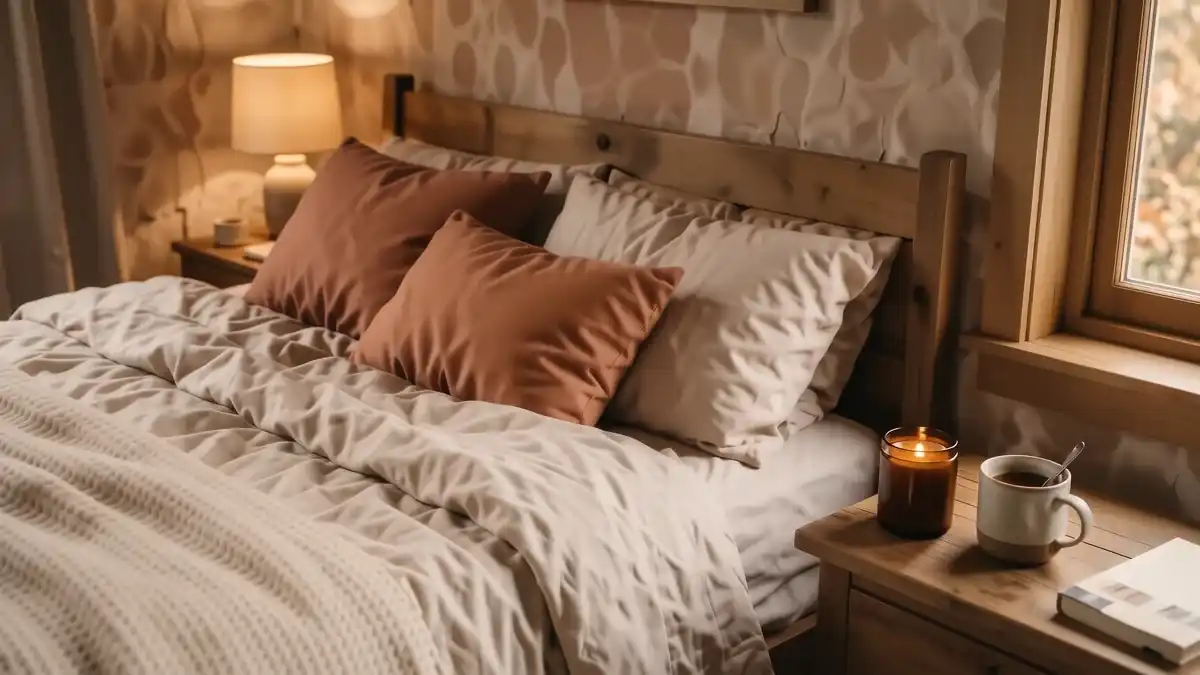
Save There is a specific kind of quiet that settles in when you step into a room designed solely for rest. It feels like a soft exhale. This guide offers concrete ways to build that sanctuary using tactile materials and gentle light.
The Foundation of Softness
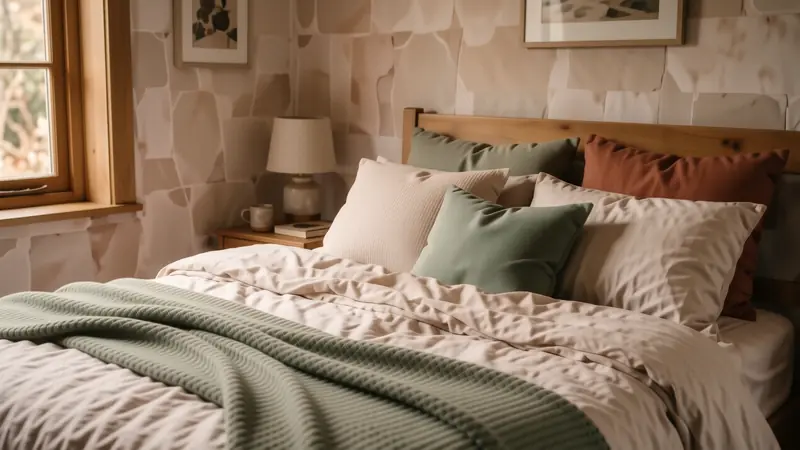
Start with your bed. If you want to hygge my home, the most effective move is layering your bedding in varying weights. Avoid thin, crisp cotton sheets that feel cold against the skin on a rainy Tuesday night. Instead, try a heavy linen duvet cover in a muted terracotta or warm oatmeal shade.
Layering creates depth. You might pair a stone-washed linen base with a chunky knit wool throw draped across the foot of the mattress. This adds visual weight and physical warmth. When you choose fabrics, look for natural fibers like organic cotton or hemp because they breathe better while retaining heat. A thick, quilted coverlet in a sage green can also ground the space.
Small details matter too.
- Linen pillowcases in sand tones.
- A weighted blanket for extra security.
- Cotton waffle-weave textures.
Mastering Low-Level Lighting
Harsh overhead lights are the enemy of coziness. To truly find the hygge of home, you must banish the big light. Instead, aim for multiple small sources of illumination that sit at eye level when you are sitting up in bed.
Search for bulbs with a color temperature between 2200K and 2700K. This range mimics the amber glow of a sunset or a candle flame. A ceramic table lamp with a pleated fabric shade can soften the light beautifully. If you are a renter, stick to plug-in wall sconces that don’t require permanent wiring.
Position your lamps strategically. One on each bedside table ensures symmetry and balance. You could also string warm LED fairy lights inside a glass cloche for a subtle, magical twinkle that doesn’t feel cluttered or childish.
Natural Elements and Organic Shapes
Bringing the outdoors inside helps steady the nervous system. A sterile room feels unlived-in, but a space filled with organic textures feels grounded. You don’t need a forest to achieve this effect.
A single large ceramic vase in a matte finish can hold dried eucalyptus or tall, feathery pampas grass. These elements add height and movement without the maintenance of fresh flowers. Wood is another essential material for a cozy bedroom. If you cannot replace your furniture, try adding small wooden accents like a walnut tray for your books or a cork coaster for your tea.
Avoid sharp edges where possible. Round mirrors or curved bedside tables feel softer to the eye than strict geometric shapes. These subtle shifts in form create a sense of flow that invites relaxation rather than alertness.
Curating Your Nightstand
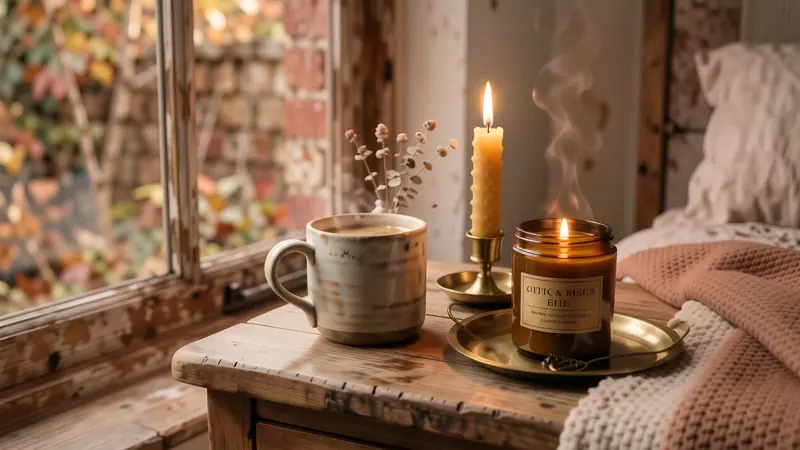
The nightstand is your cockpit for rest. It should hold only what you need to feel peaceful before sleep. Clutter can trigger subconscious stress, so keep the surface mostly clear.
A heavy stoneware mug for evening chamomile tea adds a lovely tactile element. Pair it with a single candle in a scent like sandalwood or cedarwood to signal to your brain that the day is done. I personally love keeping a small brass dish on my nightstand to hold jewelry or reading glasses. It feels intentional rather than messy.
A book you are actually enjoying is better than a stack of unread novels. Choose one with a soft cover that feels nice to touch as you drift off. This ritual builds the hygge house of habits necessary for deep sleep.
Softening the Floors
If you have hardwood or laminate floors, your feet deserve something soft to land on. A cold floor can instantly break the hygge feeling of a room.
Look for high-pile rugs or wool runners in neutral shades like cream, taupe, or charcoal. A jute rug provides great texture, but it might be too scratchy for bare feet near the bed. For a truly cozy bedroom, try layering a smaller sheepskin rug over a larger sisal mat. This creates an interesting visual contrast and a luxurious landing spot for your toes in the morning.
Make sure the rug is large enough to extend at least 24 inches beyond the sides of your bed. This prevents that awkward feeling of stepping onto a cold hard surface every single night.
Color Palettes That Calm
Colors dictate the mood of your sanctuary. While bright whites can feel clinical, warm off-whites or ‘greiges’ provide a clean yet inviting backdrop.
Consider colors found in nature to achieve a sense of hygge home peace. Muted blues like dusty denim or soft terracottas work well because they don’t demand too much attention. If you want something deeper, a dark forest green can make a small room feel incredibly snug and cocoon-like.
Avoid high-contrast patterns that bounce light around the room. A large, busy floral print might be lovely in a sunroom, but in a bedroom, it can be overstimulating. Stick to tonal variations of the same color family to create a cohesive, soothing environment that eases your mind.
Scent and Atmosphere
Atmosphere is more than just what you see. It is the subtle scent that greets you when you open the door. A well-chosen fragrance can become an anchor for your relaxation routine.
Instead of synthetic air fresheners, opt for soy wax candles or essential oil diffusers. Scents like lavender, vanilla, or bergamot are classic choices for a reason. They have long been associated with winding down. You might even try lightly misting your pillowcase with a linen water spray containing a hint of Roman chamomile.
This sensory layering makes the space feel lived-in and cared for. It transforms a simple room into a deliberate retreat from the noise of the outside world.
The Art of Slowing Down
Decor is only half the battle. To truly inhabit your space, you must change how you use it. A cozy bedroom is not just an aesthetic; it is a practice in slow living.
Try leaving your phone in another room at least 30 minutes before you intend to sleep. Use that time to sit on the edge of your bed and simply exist. Read a physical book, write in a journal, or listen to a quiet record. When the space is prepared with soft lighting and warm textures, these moments feel much more natural.
You are building a ritual around your environment. Every soft pillow and every dim lamp serves as an invitation to let go of the day’s stresses and settle into yourself.
Frequently asked questions
How can I make my bedroom cozy without painting?
Focus on textiles and lighting. Adding a large area rug, layering different textures like linen and wool, and using warm-toned lamps can completely shift the mood without touching the walls.
What is the best light temperature for sleep?
Aim for bulbs between 2200K and 2700K. These warmer tones mimic natural candlelight and help your body prepare for rest, unlike the blue light from standard white bulbs.
Are linen sheets actually better for hygge?
Yes, because of their tactile nature. Linen has a beautiful, slightly rumpled texture that feels lived-in and cozy rather than stiff or formal like high-thread-count percale.
How do I stop my bedroom from feeling cluttered?
Use the 'one surface' rule. Keep your nightstand and dresser relatively clear, using small decorative trays to group essential items like glasses or jewelry so they look intentional.
More ideas → Cozy Bedroom Ideas
Keep reading
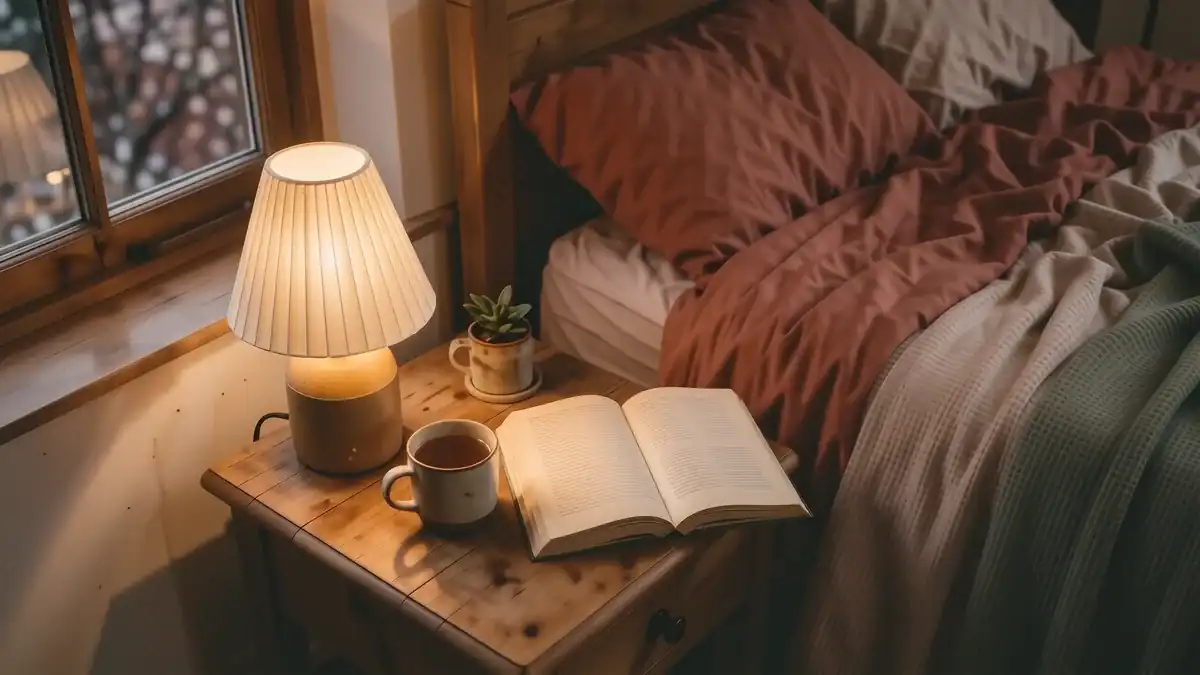
Warm and Cozy Bedroom Lighting Ideas for Your Sanctuary
Simple cozy bedroom lighting ideas that shift the whole mood. Learn how to use warm bulbs, layered lamps, and soft textures to create a restful retreat.
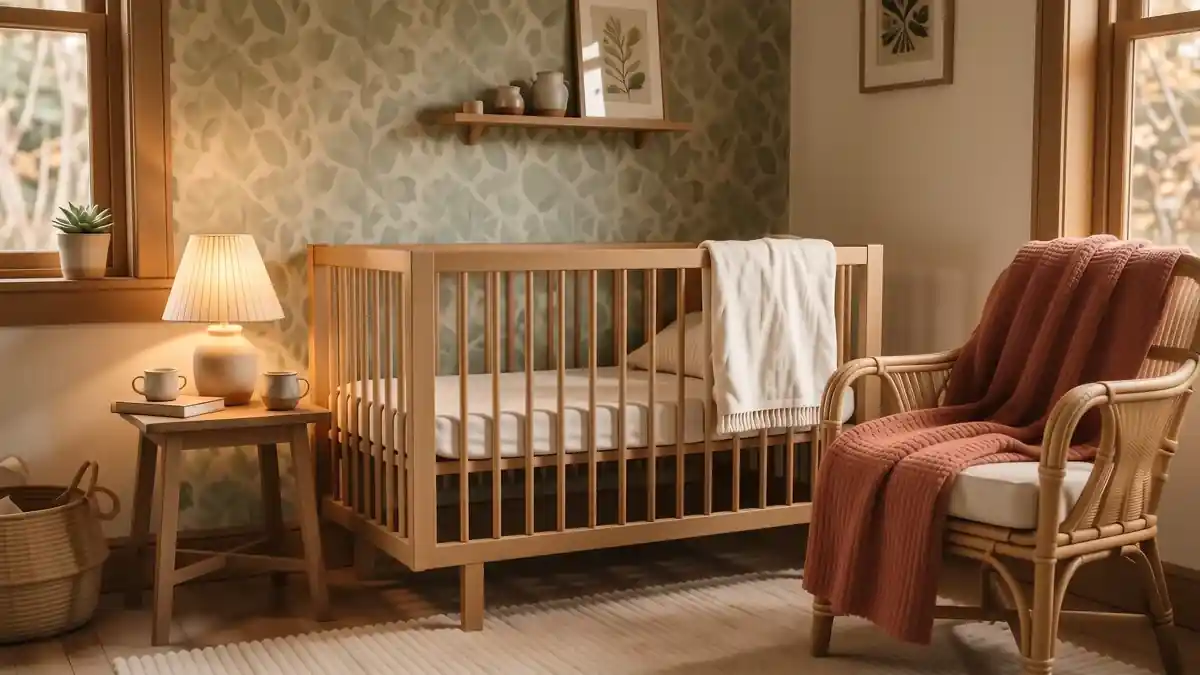
How to Create Cozy Nursery Decor This Weekend
Practical cozy nursery decor, minus the fluff. From soft textures to warm lighting, learn how to build a gentle sanctuary.
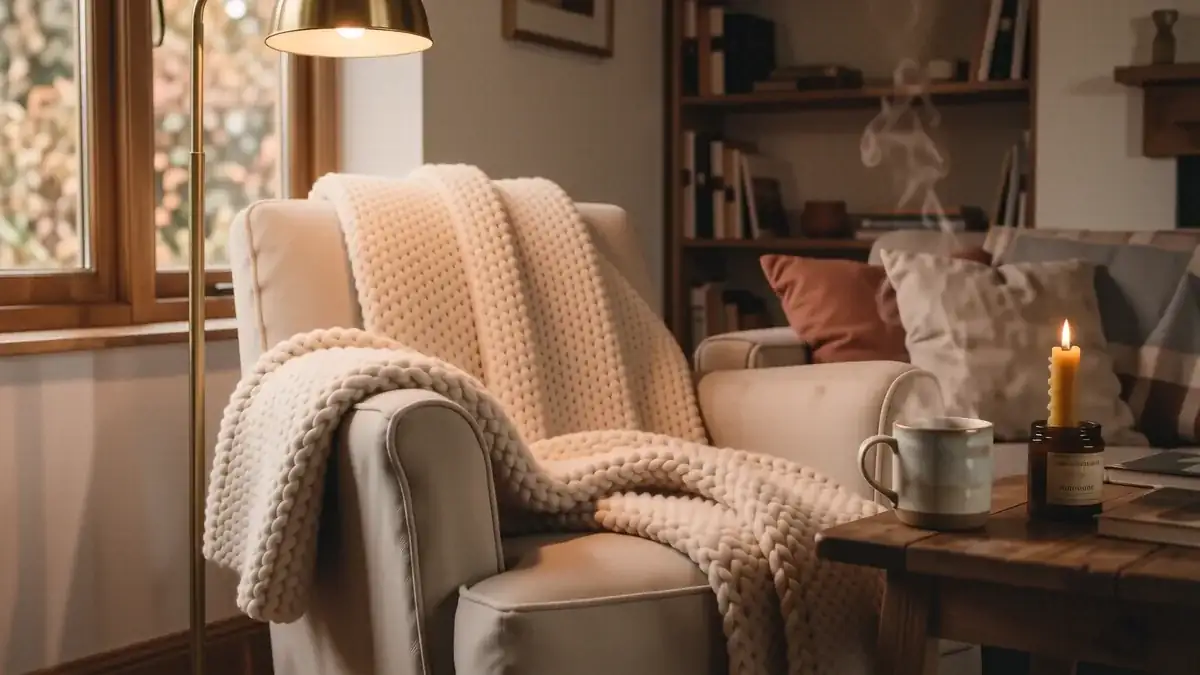
Practical Hygge Home Ideas for a Cozier Weekend
Hygge home ideas worth trying tonight. Learn how to use warm light, soft textures, and organic materials to find calm.
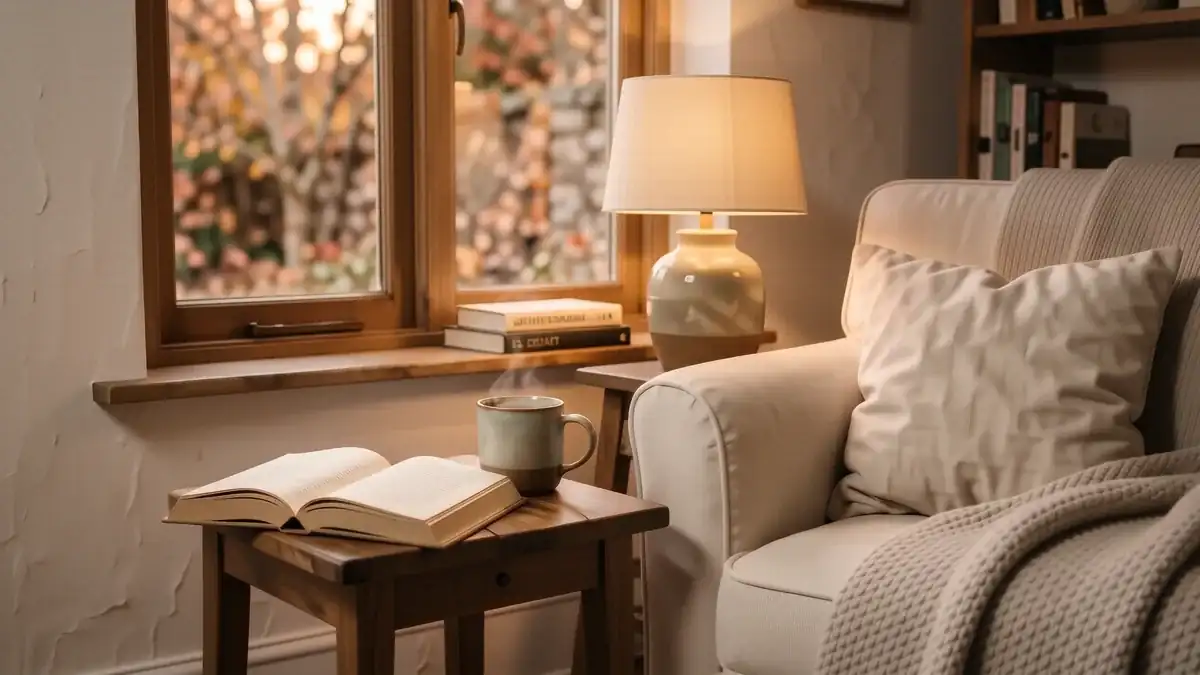
Practical Hygge House Ideas for a Cozier Home
These hygge house ideas make any room feel warmer. Learn how to use warm light, soft textures, and natural materials to create comfort.