Warm and Cozy Bedroom Lighting Ideas for Your Sanctuary
 Save
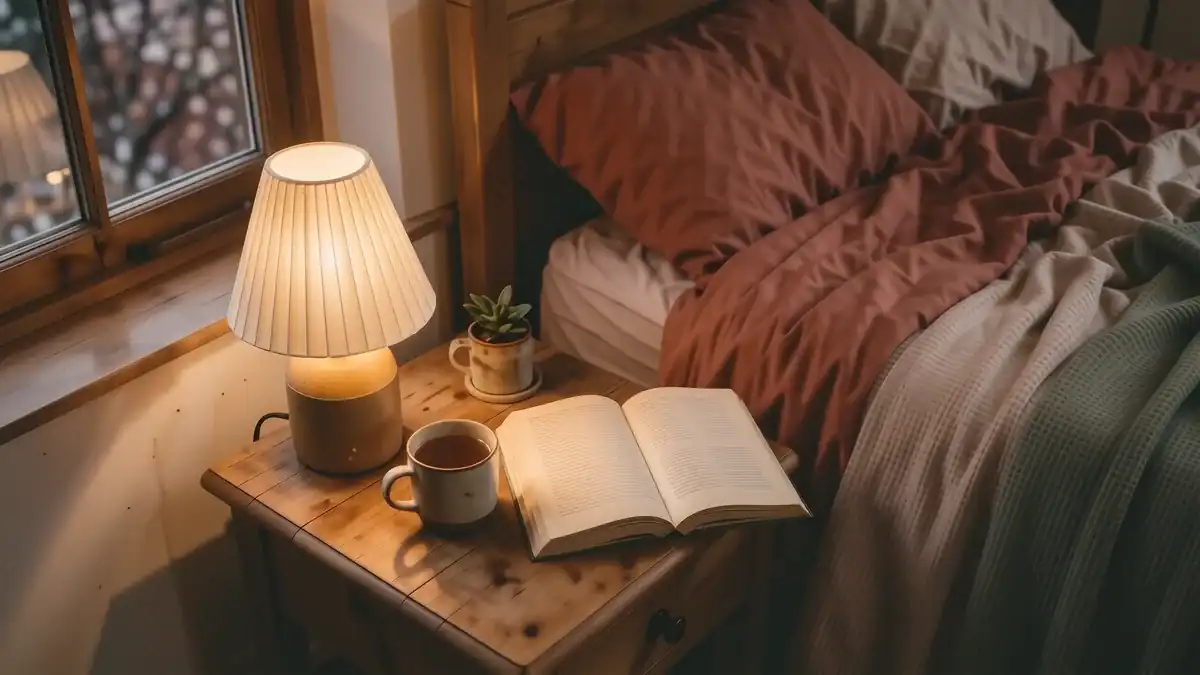
Save That heavy, peaceful feeling of sinking into fresh linen after a long day is hard to replicate if your room feels clinical or harsh. You can change the entire mood of your sleeping quarters without touching a single wire or painting a wall. We are looking at practical ways to layer warmth and soft glow into your nightly ritual.
The Golden Rule of Bulb Temperature
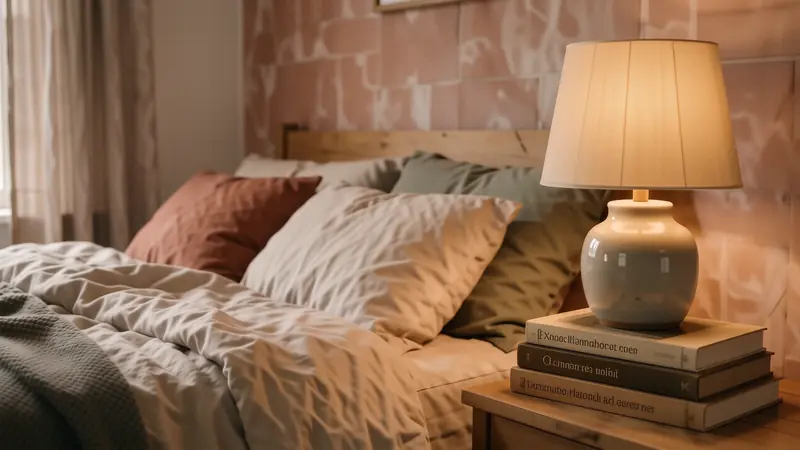
Stop using the bright, blue-toned bulbs that come standard in most rental apartments. Those lights mimic midday sun and tell your brain to stay awake when you should be winding down. Instead, look for LEDs specifically labeled as ‘Warm White’ or ‘Soft White.’
You want a color temperature between 2200K and 2700K. This range creates that amber-hued glow reminiscent of a sunset or an old candle flame. A single 40-watt equivalent bulb in a bedside lamp can feel more expensive than a massive overhead fixture if the hue is right.
- Check the base of your current bulbs for the Kelvin (K) rating.
- Avoid anything labeled ‘Daylight’ or above 5000K.
- Try smart bulbs that allow you to dim via an app.
Layering Light Instead of Relying on One Source
One big light is never enough for true comfort. If you rely solely on the ceiling fixture, your room will always feel flat and uninviting. Real coziness comes from ‘pools’ of light scattered at different heights throughout the space.
Think about placing a small task lamp on a vanity or dresser to create depth. You might also add a floor lamp in a corner to soften harsh shadows that occur when you only use overhead lights. This layering technique makes a room feel larger and more multidimensional.
When you walk into the room at night, you shouldn’t have to flip one switch to flood everything with light. Instead, aim for three distinct points of illumination: a bedside lamp, a floor lamp, and perhaps a small accent light on a shelf.
Texture as a Light Diffuser
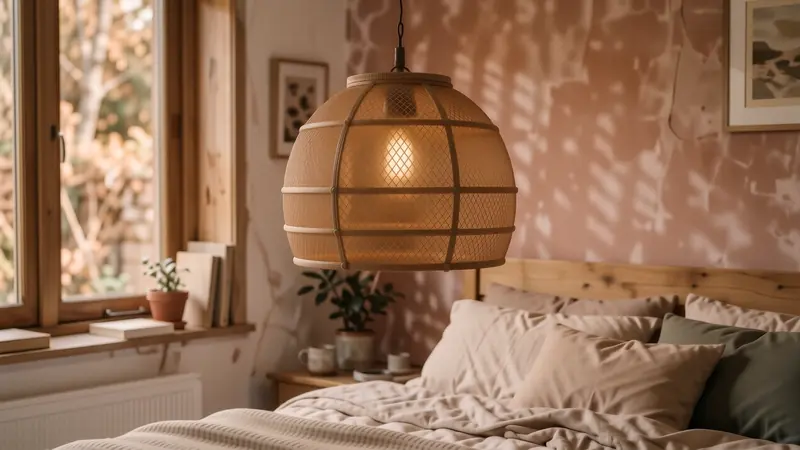
The material of your lamp shade dictates exactly how the light hits your skin. A smooth plastic shade creates sharp, direct beams that can feel aggressive in a dark room. To soften things, opt for natural materials like pleated linen, heavy cotton, or even woven rattan.
Rattan shades are wonderful because they cast beautiful, dappled patterns across the walls. This adds an organic element to your cozy bedroom decor without requiring any structural changes. If you prefer a more minimal look, a thick parchment shade provides a steady, even diffusion that feels incredibly calm.
Pair these soft light sources with tactile fabrics like a chunky wool throw or a velvet pillow. When the warm light hits these varied surfaces, it emphasizes the depth and comfort of your sanctuary.
Low-Tech Solutions for Renters
Living in a rental often means you cannot install new sconces or hardwired fixtures. This shouldn’t stop you from achieving a high-end look. Battery-operated LED puck lights are a secret weapon for anyone on a budget.
You can stick these under a floating shelf or inside an old wooden cabinet to create subtle accent lighting. They often come with remote controls, so you can turn them on from your pillow without getting up. Another great option is the use of high-quality flameless candles.
Avoid the cheap plastic versions that look like toys. Look for brands that use real wax and have a ‘flicker’ setting that mimics a real flame. Placing two or three varying heights of these on a nightstand adds instant life to your space.
The Magic of Fairy Lights and String Lamps
While some people find them too youthful, well-chosen string lights can add a whimsical touch if you treat them with intention. Skip the colorful, multi-colored holiday versions that feel cluttered. Instead, look for ‘warm white’ micro-LEDs on a copper wire.
The copper wire is much thinner and less noticeable than traditional green or white plastic cords. You can drape these along a headboard or weave them through a hanging plant to create a soft, starlit effect. It adds a layer of magic that feels very intentional rather than messy.
For an even more sophisticated take, try using a string of large Edison-style bulbs draped across a window frame. This provides a bit more light while maintaining that relaxed, slow living vibe we all crave.
Integrating Art into Your Glow
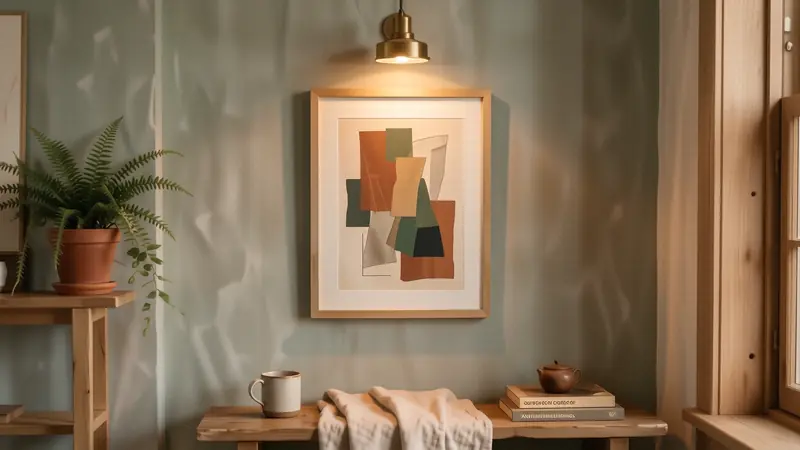
Your walls shouldn’t just be dark voids when the big lights go out. You can use light to draw attention to your favorite cozy bedroom art or framed prints. A small, battery-powered picture light clipped to the top of a frame is an easy way to do this.
This technique adds a gallery-like feel to your room and provides another source of low-level light. It prevents the walls from feeling like they are closing in on you during the night. If you have a large piece of textured art, such as a textile wall hanging, placing a light nearby will highlight the weave and depth.
Don’t feel pressured to light every single item. Choosing one or two focal points creates a sense of rhythm and prevents the room from feeling overstimulated.
Creating a Nighttime Ritual
Lighting is more than just an aesthetic choice; it is a functional tool for your circadian rhythm. As the sun goes down, you should gradually transition from bright, functional light to dim, atmospheric glow.
You might start by turning off the ceiling light at 8:00 PM and switching on a floor lamp. By 9:30 PM, only your bedside lamps or candles should be active. This physical act of changing the lights signals to your nervous system that it is time to rest.
Think about how these different levels of brightness affect your mood as you move through your evening routine. A bright bathroom light can ruin a relaxing wind-down, so perhaps consider a small dim lamp in there too. Small changes lead to much better sleep quality over time.
The Impact of Color and Reflection
The colors you choose for your walls and bedding will change how your lights behave. Darker, matte colors like navy or charcoal absorb light, making the room feel much more enclosed and intimate. This can be wonderful for a bedroom if you want a ‘cocoon’ feeling.
Conversely, lighter tones like warm oatmeal or pale sand reflect light back into the room. If you have a very small space, these reflective surfaces will help your lamps spread their glow further. You can play with both by using dark walls but adding a large, light-colored rug to catch the light from below.
A cozy bedroom rug in a high-pile texture like shag or wool also helps soften the way light bounces off the floor. It prevents that harsh ‘glare’ you get from polished hardwood or tile.
Frequently asked questions
Can I use colored LED strips for coziness?
It is best to stick to warm white tones. Using saturated blues or purples can disrupt your sleep cycle and often feels more like a gaming room than a restful bedroom.
How do I hide messy lamp cords in a rental?
You can use adhesive cord covers that match your wall color, or simply tuck them behind furniture. Using cordless, battery-operated lamps is the easiest way to avoid clutter entirely.
What is the best height for bedside lamps?
The bottom of the lampshade should be roughly at your eye level when you are sitting up in bed. This prevents the bulb from glaring directly into your eyes while you read.
Are smart bulbs worth it for cozy lighting?
Yes, because they allow you to set schedules and dim levels precisely. You can program them to slowly fade to a warm amber glow as your bedtime approaches.
More ideas → Cozy Bedroom Ideas
Keep reading
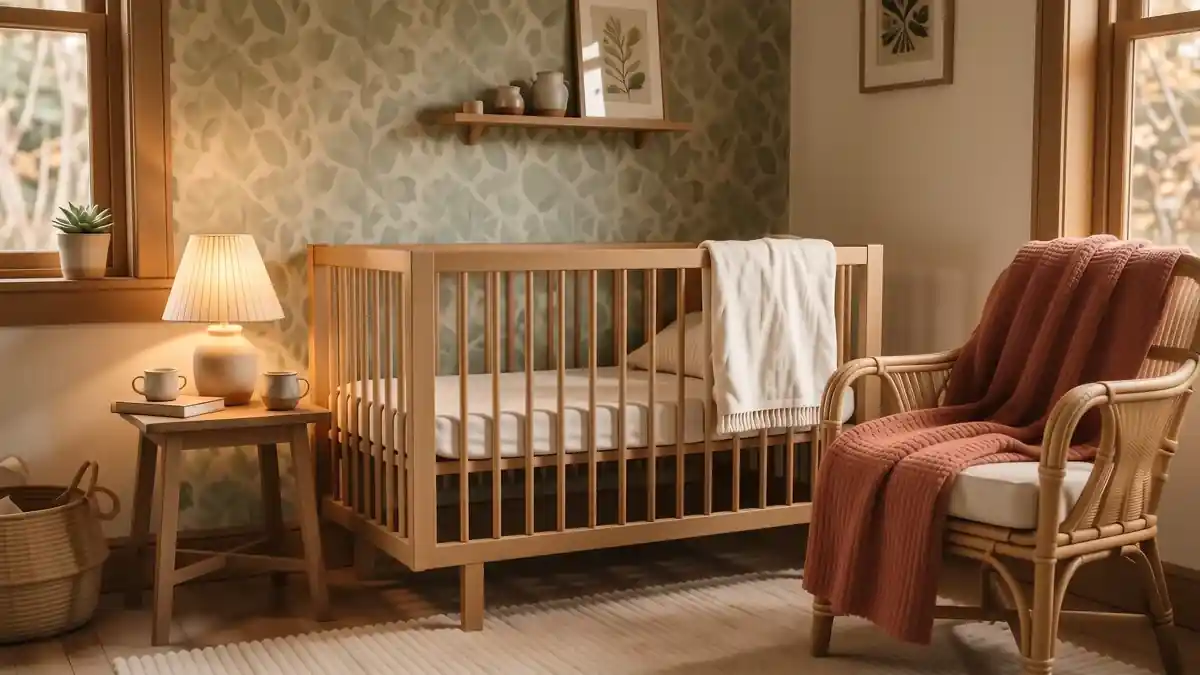
How to Create Cozy Nursery Decor This Weekend
Practical cozy nursery decor, minus the fluff. From soft textures to warm lighting, learn how to build a gentle sanctuary.
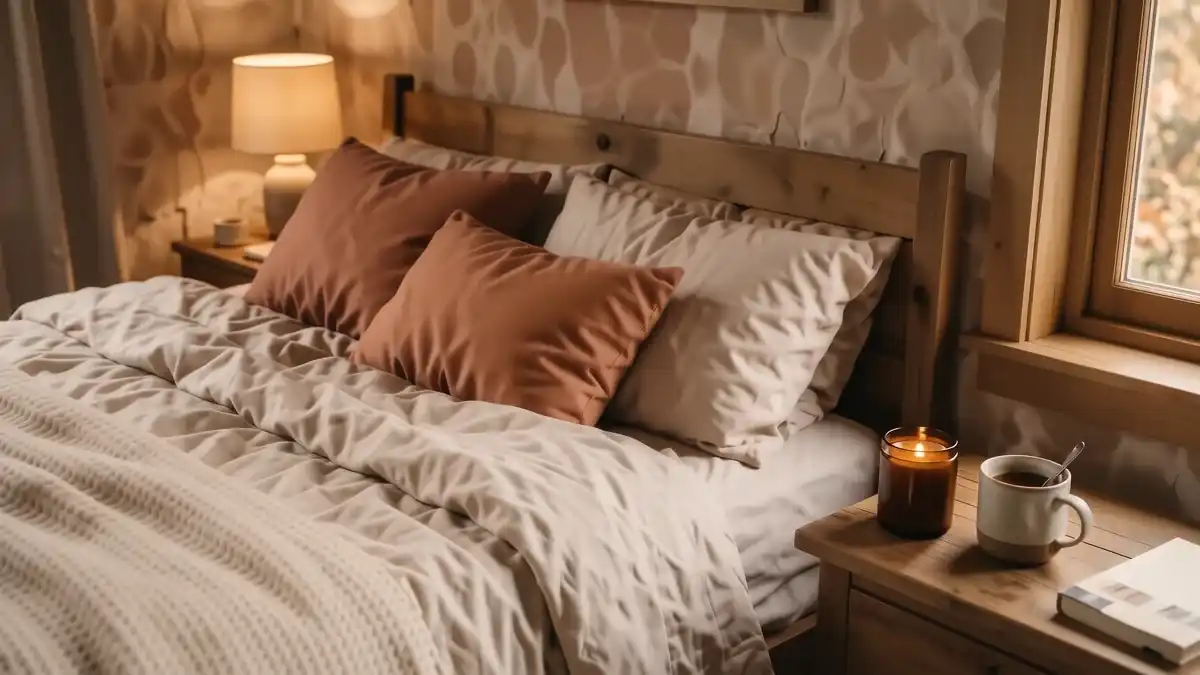
Simple Hygge Bedroom Ideas for a Restful Retreat
Practical hygge bedroom ideas — layered bedding, warm low light and calm earthy colors that turn your bedroom into a restful retreat.
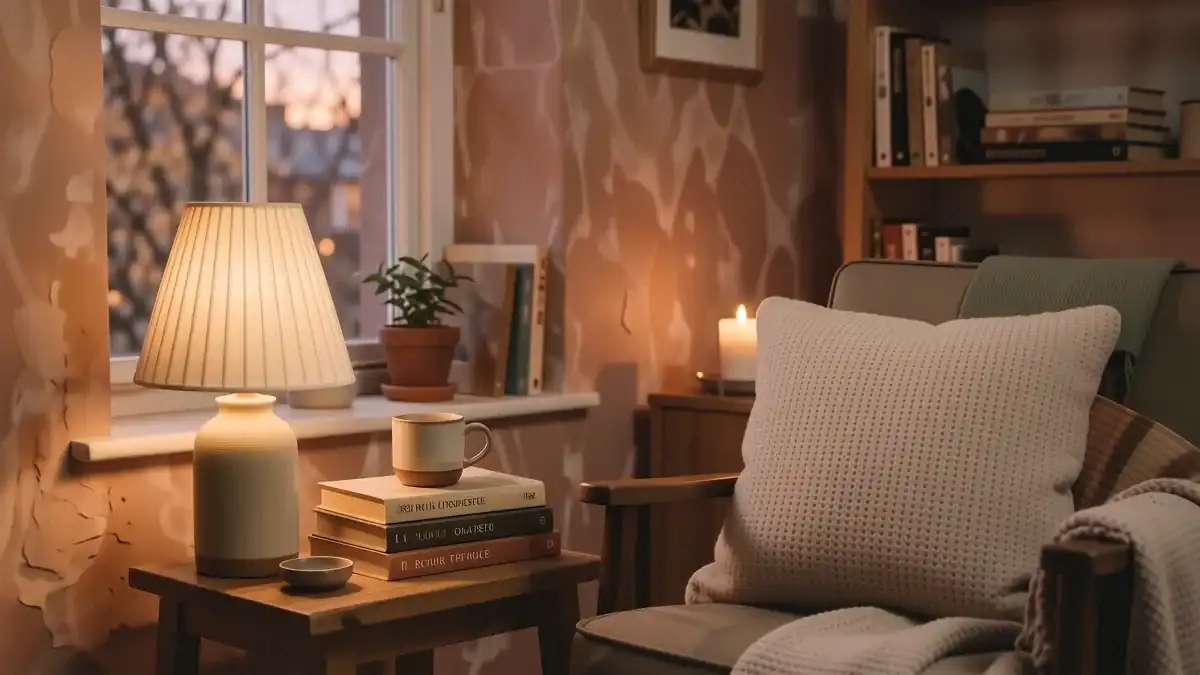
Warm and Cozy Apartment Lighting Ideas for Small Spaces
Cozy apartment lighting ideas you can pull off on a budget. From warm bulb temperatures to layered textures, create a sanctuary this weekend.

Warm Glows: Practical Cozy Home Lighting Ideas
Practical cozy home lighting ideas, minus the fluff. Learn about light temperatures, layered lamp placement, and renter-friendly glow tips.