7 Cozy Office Lighting Ideas for a Calmer Workspace
 Save
Save The harsh overhead glare of a standard ceiling light can make even the most organized desk feel cold and clinical. You deserve a workspace that feels like a gentle hug during a long Tuesday afternoon. These practical steps will help you build a layered, warm atmosphere without any permanent renovations.
The magic of amber tones
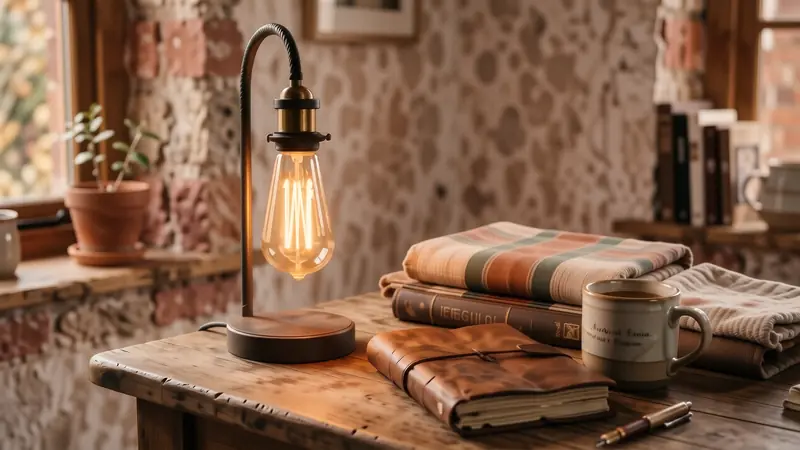
Stop reaching for those bright white bulbs that mimic a hospital hallway. Instead, look for LED bulbs labeled with a color temperature between 2200K and 2700K. This range produces a soft, honey-colored glow that mimics the sunset or a flickering candle. A single Edison bulb in a matte black ceramic base can change your entire mood.
When you choose these warmer tones, your eyes stop straining against blue light waves. It creates an immediate sense of stillness. If you use smart bulbs like Philips Hue, you can set a specific ‘Focus’ scene that stays at 2700K all day long. This keeps the environment consistent and predictable.
- Warm amber LED (2200K-2700K)
- Edison-style filament bulbs
- Dimmable smart bulbs
Layer your light sources
Relying on one single light source is the fastest way to create deep, distracting shadows. Think in layers rather than singular points of brightness. Start with your primary task lamp for reading or typing, then add a secondary ambient light like a small floor lamp in the corner. This prevents the ‘cave effect’ where only your desk is visible while the rest of the room stays pitch black.
Adding a third layer of soft light behind your monitor can also reduce eye fatigue significantly. A simple LED strip tucked behind the back edge of your desk creates a gentle wash of light against the wall. This technique, often called bias lighting, softens the contrast between your bright screen and the dark room. It makes the whole setup feel integrated rather than floating in shadow.
Try placing a small salt lamp on a bookshelf nearby to add an extra layer of low-level warmth.
Soft textures meet warm light
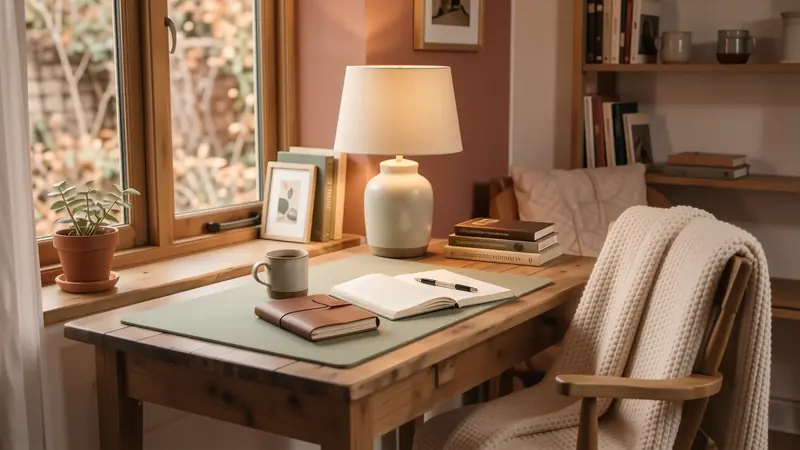
Light does not exist in a vacuum; it reacts to everything it touches. If your desk is surrounded by glass or metal, the light will bounce around harshly and create tiny, annoying glares. To soften these reflections, introduce tactile materials like a felt desk mat or a linen curtain nearby. A thick, oatmeal-colored wool rug under your chair can also absorb excess light and sound.
Texture changes how we perceive brightness. A lamp with a pleated linen shade will diffuse light much more softly than a bare bulb or a metal shade. This creates a dappled effect that feels organic and lived-in. When the light hits a textured surface, like a chunky knit throw draped over your office chair, it breaks up the harshness into something much more soothing.
- Linen lamp shades
- Felt desk pads in sage or sand
- Woolen rugs to dampen glare
Low-tech cozy cafe lighting
You don’t need expensive smart home technology to mimic the vibe of your favorite local coffee shop. Many cafes use small, cordless rechargeable lamps placed on tables to create intimate pockets of light. You can find these portable LED lamps at places like IKEA or even via Amazon for under $30.
These little lights are perfect for renters because they require zero wires or wall drilling. Place one on a side table or a bookshelf next to your workspace. It adds a sense of scale and coziness that a single large lamp cannot achieve. The goal is to create small ‘pools’ of light that guide your eyes toward comfortable areas.
Small cordless lamps provide flexibility. Move them from your desk to a reading nook as the sun goes down.
Managing screen glare
Working on a computer in a dark room can lead to headaches. While we want cozy lighting, the light must not compete with your monitor. Avoid placing bright lamps directly opposite your screen, as this causes direct reflection. Instead, position your task lamp at a 45-degree angle to your keyboard.
If you find yourself squinting, your ambient light might be too low compared to your screen brightness. This imbalance is hard on the eyes over long periods of work. You can fix this by adding a small light behind your monitor rather than in front of it. This helps bridge the gap between the digital world and your physical room.
Adjusting your monitor’s ‘Night Shift’ or blue light filter settings also complements your physical lighting choices. It keeps the colors on your screen consistent with the warm bulbs in your room.
Nature-inspired color palettes

The colors you choose for your office decor will dictate how your light feels. If you paint your walls a stark, cool white, even the warmest bulb might feel slightly off. Instead, opt for muted terracotta, warm oatmeal, or a soft sage green. These earthy tones absorb and reflect light in a way that feels grounded.
Think about how a lamp’s glow hits these surfaces. A warm light hitting a terracotta wall will deepen the color into something rich and comforting. It makes the room feel smaller in a good way—contained and safe. This is a core principle of hygge, where the environment feels like a protective cocoon.
- Muted Terracotta
- Warm Oatmeal
- Sage Green
Small details for a cozy desk
Sometimes the best way to improve your lighting is through tiny, intentional accents. A small glass candle holder or a brass tray can catch the light from your main lamp and create subtle sparkles. These micro-reflections add depth to your workspace without being distracting.
Don’t overlook the power of a simple string of fairy lights tucked into a glass jar. They aren’t just for holidays; they provide a very low-lumen glow that works beautifully during late-night brainstorming sessions. It is about creating many small points of interest rather than one bright center. These little touches make your desk feel like it belongs to you.
Keep these accents minimal so they don’t become clutter. A single brass object or a small candle can be enough.
The rhythm of your lighting
Your lighting should change as the day progresses. Morning light is naturally cool and energizing, while evening light should be warm and dimming. If you can, use your window as your primary source during the early hours to stay connected to the natural world. As the sun sets, transition your office into its ‘cozy mode.’
This shift signals to your brain that it is time to wind down from high-intensity tasks. You might turn off your bright task lamp and switch on only your floor lamp and a small candle. This gradual dimming helps prevent the jarring transition from ‘work mode’ to ‘rest mode’ that many remote workers struggle with. Creating this ritual makes your home office feel like a healthy part of your life, not an intrusion.
Frequently asked questions
What is the best bulb color for working?
For focused work, look for 3000K to 4000K bulbs. However, if you want a cozy atmosphere, stick to 2700K or lower.
Can I use RGB lights for a cozy office?
Yes, but avoid bright blues or purples. Set your RGB strips to warm oranges, soft yellows, or deep ambers to maintain a calm vibe.
How do I fix glare on my computer screen?
Position your lamps at an angle rather than directly in front of you and add bias lighting behind the monitor to reduce contrast.
Is it okay to work in a dark room with just a desk lamp?
It can cause eye strain. It is better to have some soft ambient light, like a floor lamp, so your eyes aren't adjusting too much between the screen and the darkness.
More ideas → Cozy Home Office Ideas
Keep reading
How to Choose a Cosy Home Office Chair
Simple cosy home office chair that shift the whole mood. Discover specific textures, lighting tips, and renter-friendly styling ideas for comfort.
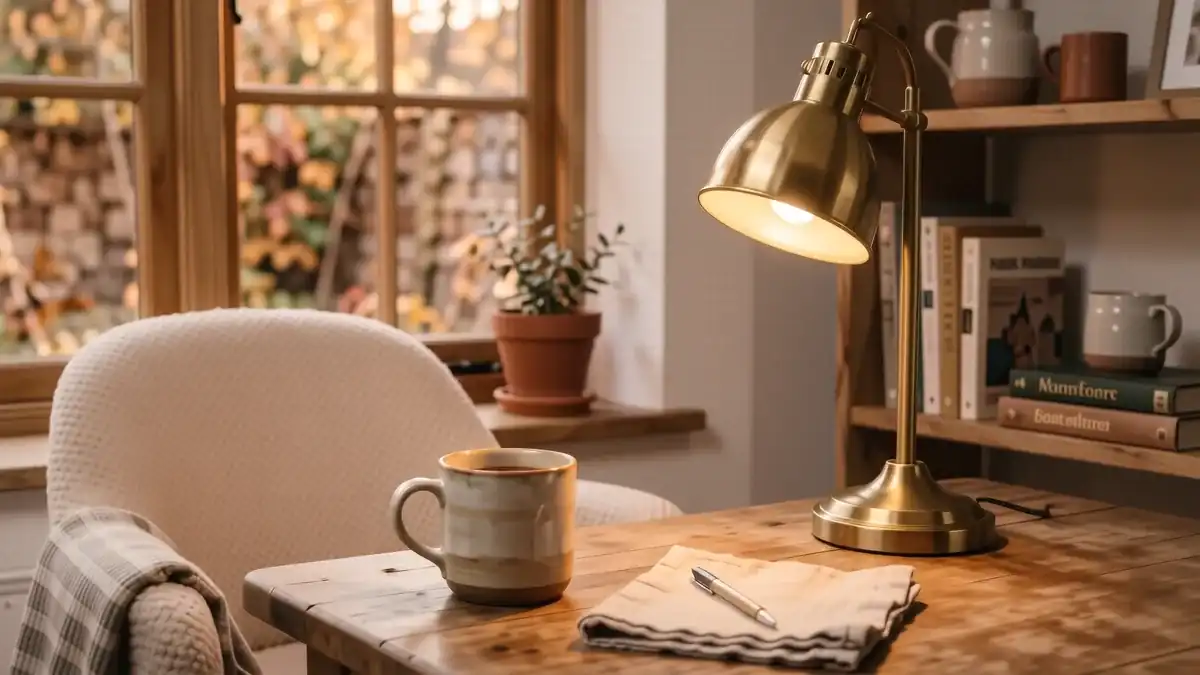
How to Create Cozy Home Office Decor That Actually Works
Warm, lived-in cozy home office decor for real homes. From warm lighting to tactile textures, learn how to build a productive, hygge sanctuary.
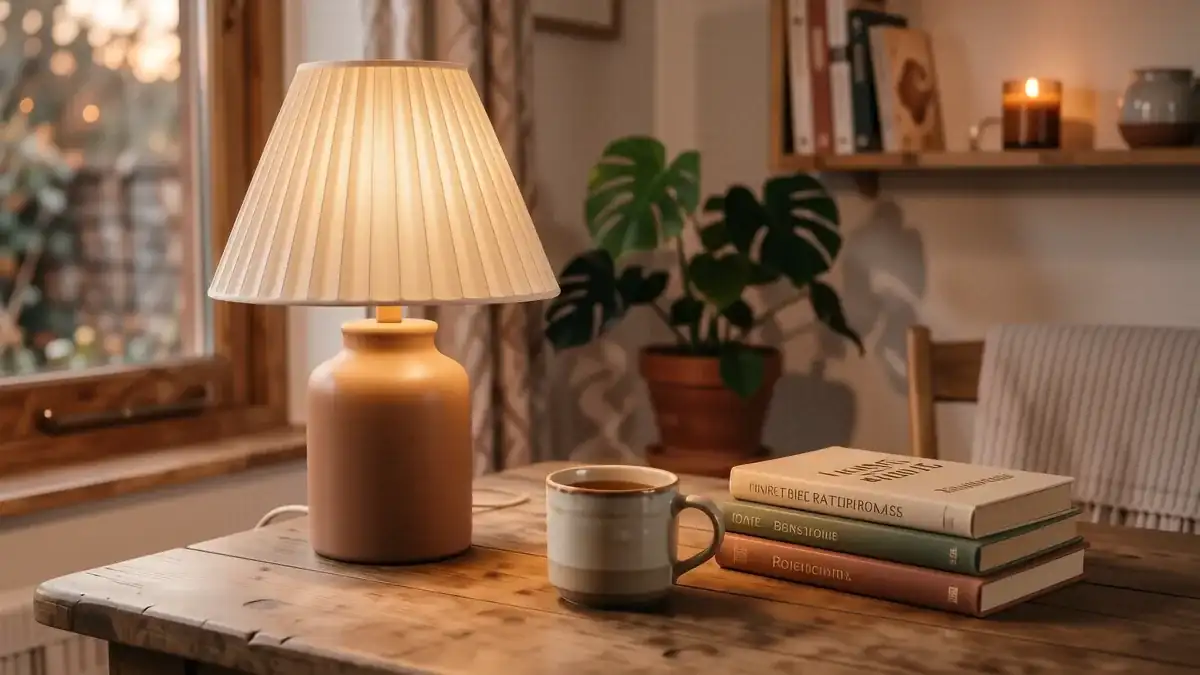
How to Master Cozy Home Office Lighting
Simple cozy home office lighting that shift the whole mood.
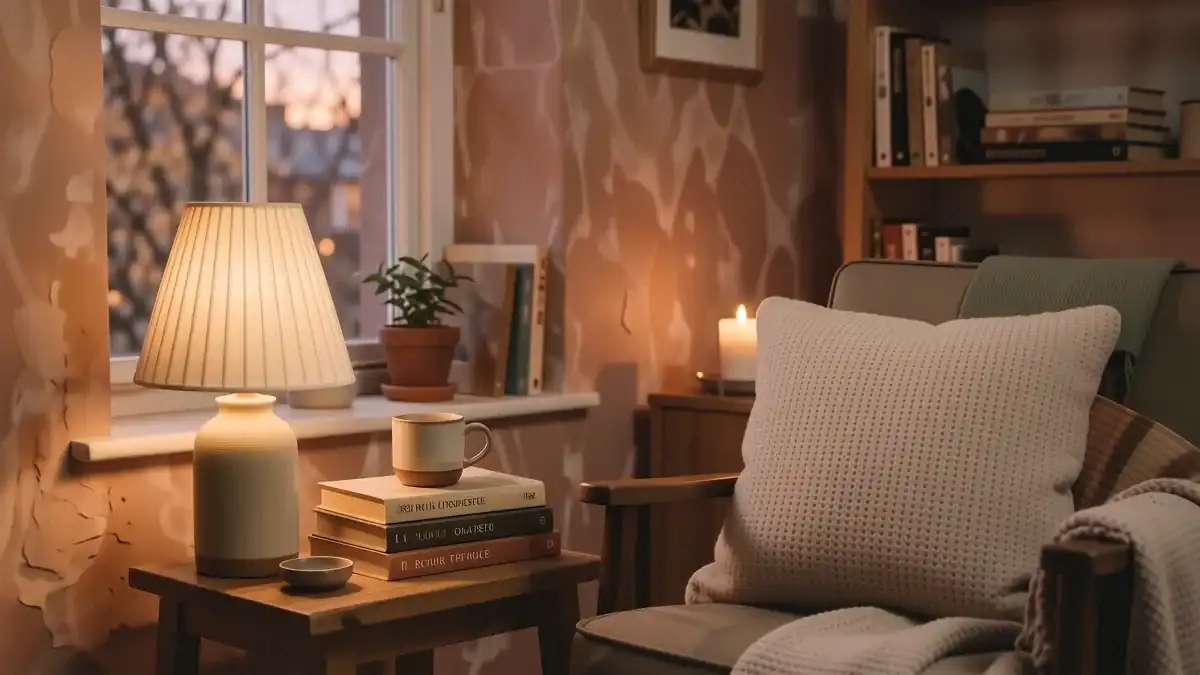
Warm and Cozy Apartment Lighting Ideas for Small Spaces
Cozy apartment lighting ideas you can pull off on a budget. From warm bulb temperatures to layered textures, create a sanctuary this weekend.