How to Build a Cosy Reading Nook for Kids
 Save
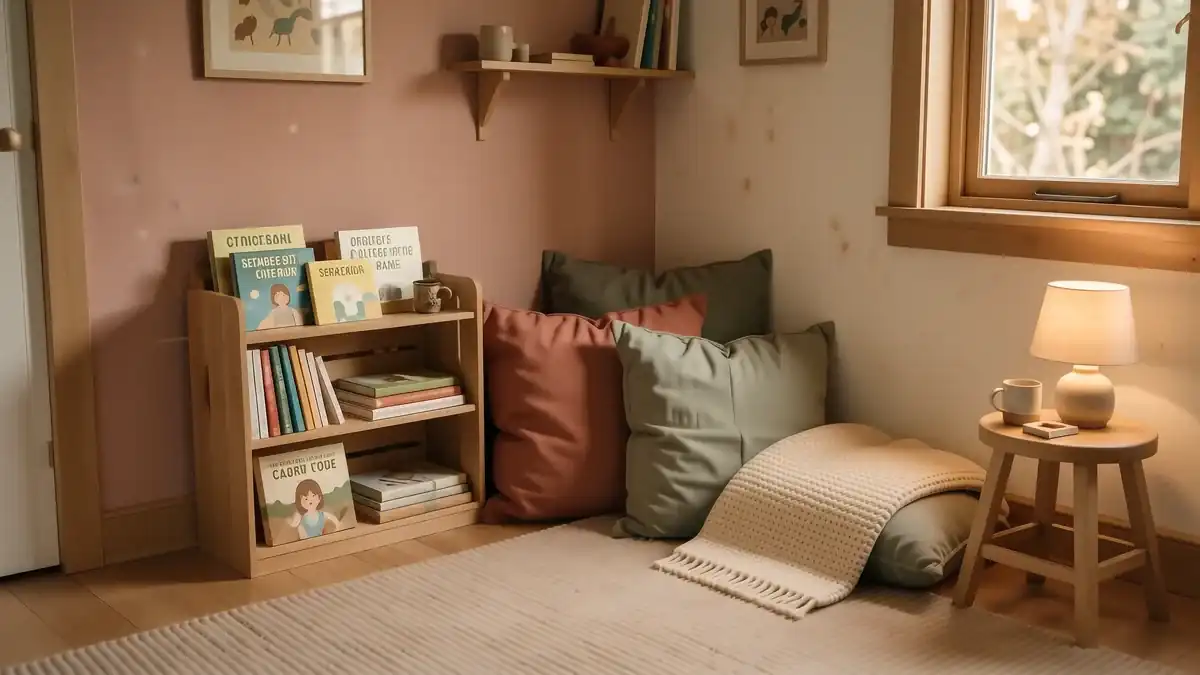
Save There is a specific kind of magic in a child finding their own quiet corner to disappear into. It feels like a tiny sanctuary away from the noise of toys and television. We can build that space this weekend using simple items you might already have.
Finding the perfect corner
You do not need an entire spare room to create a sanctuary. Look for those awkward, often overlooked gaps in your floor plan. A corner between a window and a wardrobe works beautifully. If you live in a rental, avoid any permanent changes like wall drilling. Instead, use the natural architecture of your existing rooms.
A sun-drenched corner near a bedroom window is ideal for daytime reading. It offers natural light that shifts as the afternoon progresses. You might find a quiet spot tucked behind a heavy velvet curtain or beside a low bookshelf. Small spaces feel safer to children.
- Check for nearby power outlets.
- Measure the floor area carefully.
- Avoid high-traffic walkways.
The foundation of softness
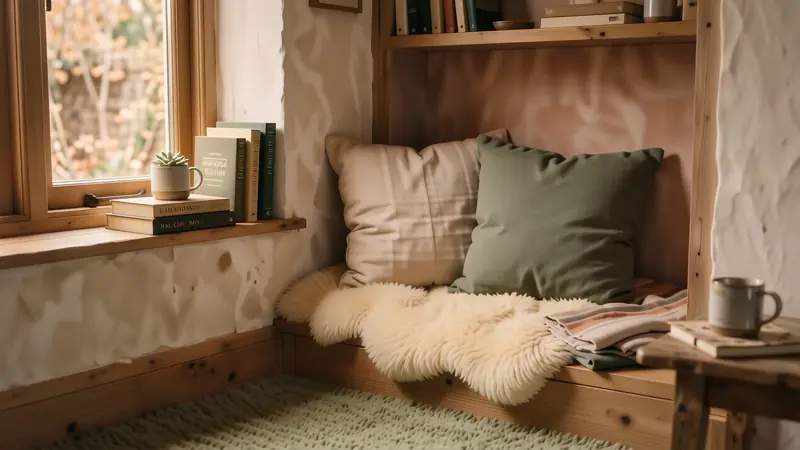
Comfort starts from the ground up. A hard floor is the enemy of a long reading session. I suggest starting with a thick, high-pile rug in a muted oatmeal or sage green tone. If your floors are cold, layer a small sheepskin rug on top for extra warmth.
Think about how much cushioning they actually need. A single thin cushion rarely suffices when a child wants to curl up for an hour. Instead, try stacking two floor pillows from a brand like Lorena Canals or even just repurposing old bed pillows with fresh covers.
Use heavy fabrics like cotton canvas or thick linen. These materials withstand the inevitable crumbs and spills better than delicate silks. A chunky knit throw blanket in a dusty terracotta adds immediate visual warmth to the pile.
Low-level lighting magic
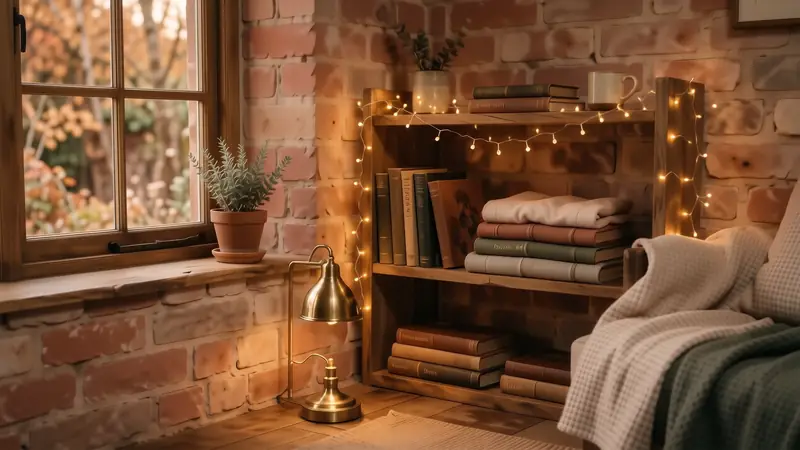
Harsh overhead lights kill the mood instantly. To achieve a true cosy reading nook aesthetic, you must prioritize soft, warm light sources. Aim for bulbs with a color temperature of 2700K to mimic the glow of sunset. This warmth signals to a child’s brain that it is time to slow down.
Since many renters cannot install new hardwired sconces, look at rechargeable LED reading lights or battery-operated fairy lights. Stringing warm white LEDs along a wooden shelf creates a magical perimeter. You could also use a small, heavy-based task lamp in a matte brass finish that sits on a low side table.
Avoid any blue-toned light. It feels clinical and keeps the brain too alert for rest. A simple paper lantern hanging from a command hook provides a soft, diffused glow that feels like a cloud.
Smart book storage solutions
A nook becomes cluttered very quickly if books are just thrown into a pile. Organization keeps the space feeling calm rather than chaotic. I love using low, forward-facing bookshelves where the covers are visible to the child.
When children can see the art on the spine or cover, they are more likely to pick up a book independently. A simple wooden crate turned on its side works well for this. If you have very little space, use slim wall-mounted ledges held up by renter-friendly adhesive strips.
- Use wicker baskets for loose items.
- Group books by color or size.
- Keep only current favorites within reach.
Creating a sense of enclosure
Children often feel most secure when they are partially enclosed. It creates a ‘den’ feeling that encourages deep focus. You can achieve this without building anything permanent. A canopy is the easiest way to signal that this space is special.
A simple linen canopy draped from a single ceiling hook transforms a corner into a secret hideaway. If you cannot hang things from the ceiling, use a tall potted plant like a Monstera or a large floor mirror to create boundaries. Even a high-backed armchair can act as a protective shell.
This sense of privacy is why many kids prefer reading in small tents rather than at a big dining table. It provides a psychological boundary between ‘play time’ and ‘quiet time’.
Adding tactile elements
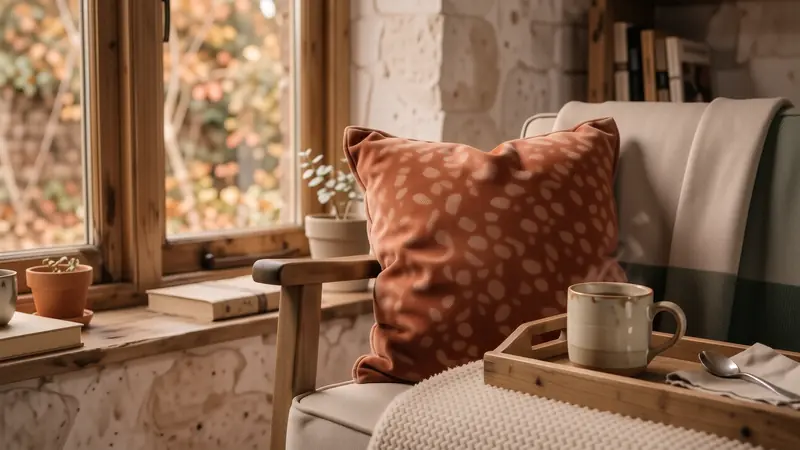
Texture is what makes a space feel lived-in and warm. Avoid smooth, plastic surfaces that feel cold to the touch. Instead, lean into natural materials like wood, wool, and cotton. A small wooden tray can hold a cup of cocoa or a tiny clock.
I often suggest adding one ‘special’ item that is purely tactile. Perhaps it is a weighted velvet pillow or a soft felt creature that sits on the edge of the rug. These items ground the space in reality while providing sensory comfort during quiet moments.
Think about how different textures react to light. A boucle fabric will catch the glow of your 2700K lamp differently than a flat cotton sheet, adding depth to the corner.
The sensory experience
A reading corner is about more than just sight. To make it truly immersive, consider the other senses. A small, silent essential oil diffuser with lavender or cedarwood can set a calming scent profile for evening reading.
You might also include a soft, non-distracting background noise element. While many prefer silence, some children thrive with a white noise machine tucked into a nearby basket. This helps drown out the sounds of the rest of the house.
Keep the color palette consistent to avoid sensory overload. Stick to three main colors—for example, oatmeal, muted terracotta, and sage green. Too many competing patterns can make a small space feel frantic rather than peaceful.
Evolving the space
Your child’s interests will change as they grow. A nook designed for a toddler with picture books will not work for a ten-year-old reading novels. The beauty of these setups is their flexibility.
As they age, swap the floor cushions for a proper beanbag or a small upholstered reading chair. You can replace the fairy lights with a sleek, adjustable metal lamp. Moving from bright primary colors to more sophisticated tones like navy or forest green helps the space grow with them.
Keep the core elements—the soft rug and the dedicated corner—as they are the foundation of the habit. The accessories are merely the changing layers of their developing personality.
Frequently asked questions
How much space do I actually need?
You only need about 1 square meter of floor space. A simple corner with a rug and two pillows is enough to start.
Can I make this in a small apartment?
Yes, use vertical space like wall ledges or hanging canopies. This keeps the floor clear for other activities.
What are the best colors for a reading nook?
Stick to earthy, muted tones like sage, oatmeal, or terracotta. These colors promote relaxation and don't distract from books.
Is it hard to clean these areas?
Not if you choose washable covers. Look for linen or cotton pillowcases that can go straight into the washing machine.
More ideas → Cozy Reading Nook & Corner Ideas
Keep reading
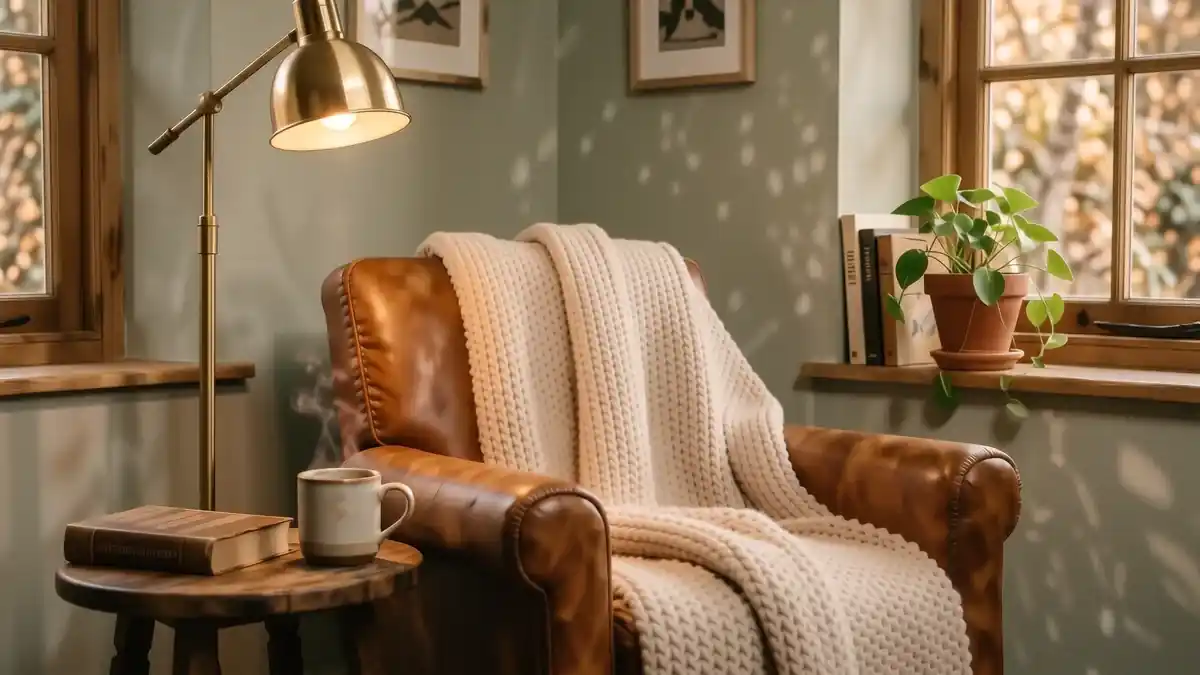
Simple Ways to Master Cozy Corner Decor This Weekend
Transform empty spaces into retreats with practical cozy corner decor ideas using warm lighting, soft textures, and renter-friendly styling tips.
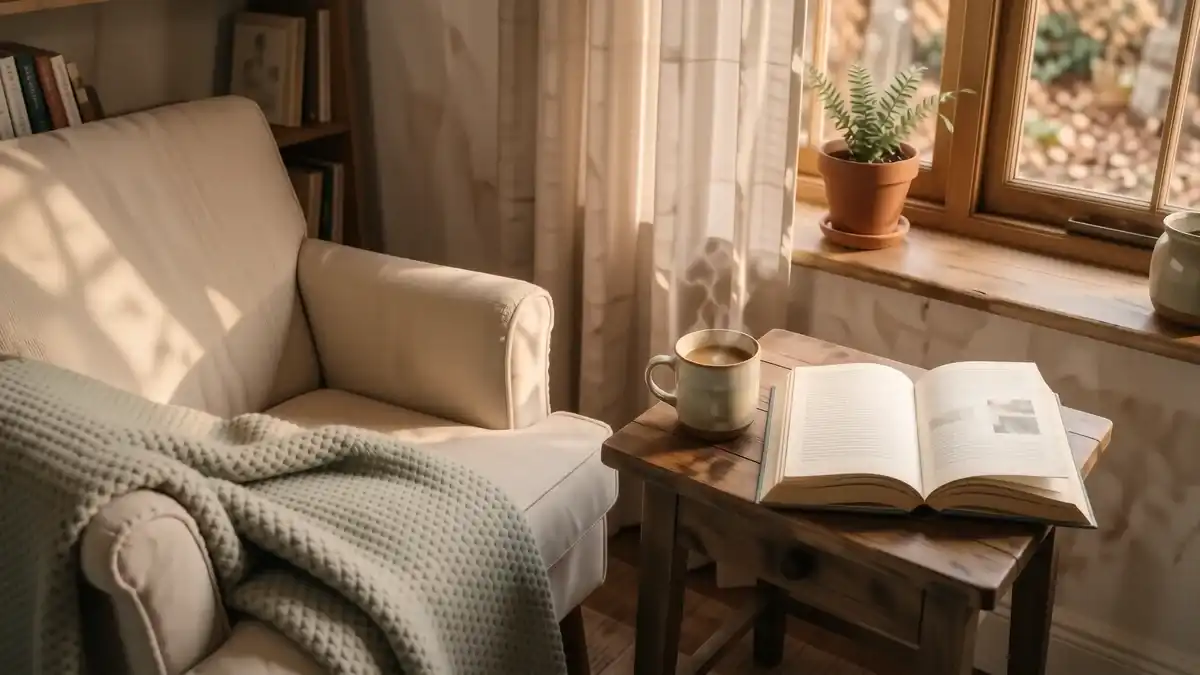
How to Create a Cozy Reading Corner Decor Haven
Transform any small nook into a sanctuary with these practical cozy reading corner decor ideas for renters and homeowners alike.
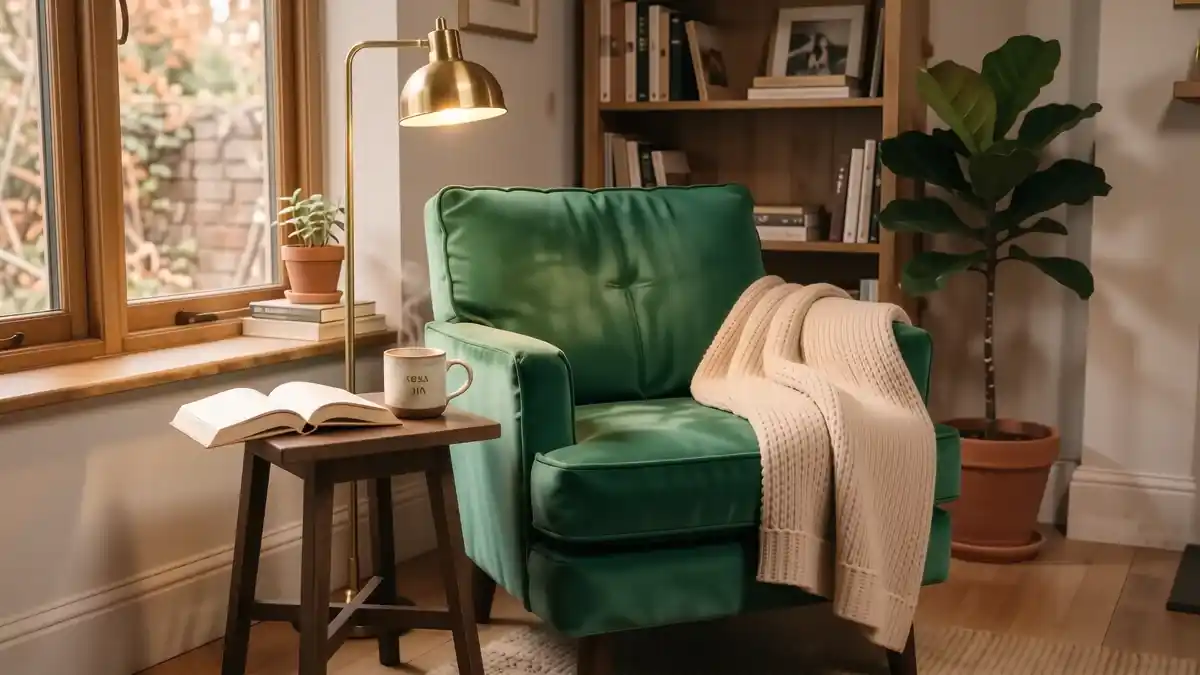
How to Style a Perfect Cozy Reading Nook Chair
Transform any corner into a retreat with these practical tips for selecting and styling your cozy reading nook chair this weekend.
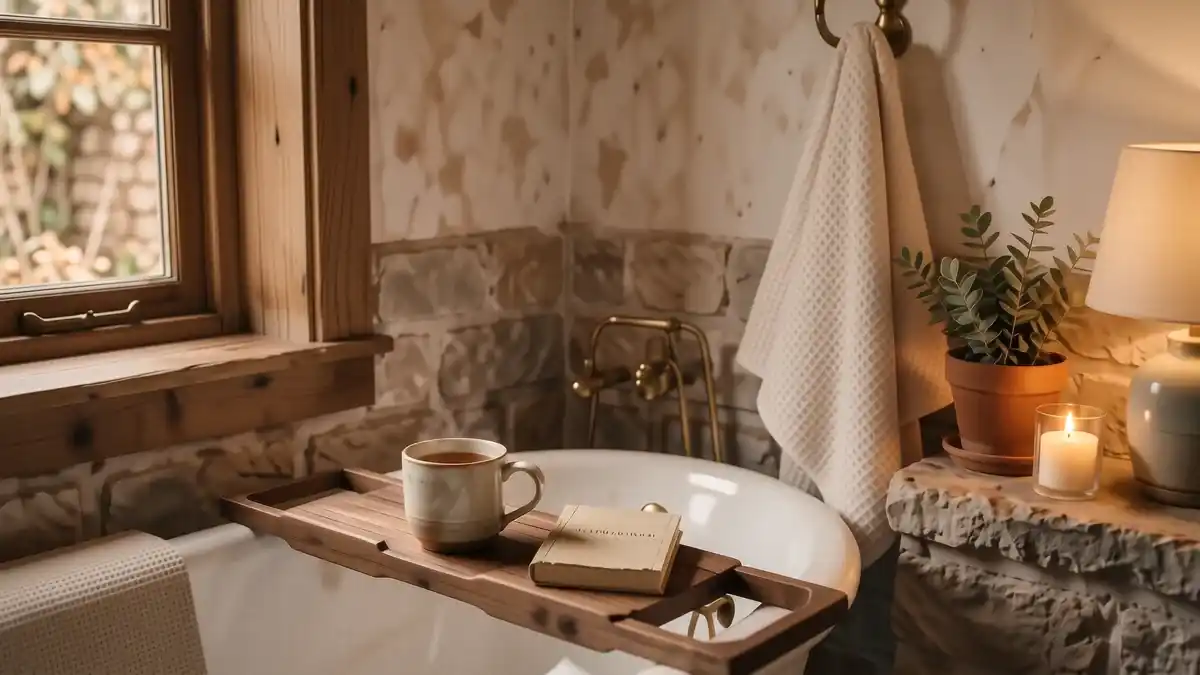
Simple Cosy Bathroom Ideas for a Warm Retreat
Cosy bathroom ideas that actually work. From warm lighting to soft textures, learn how to create a relaxing sanctuary this weekend.