How to Create a Cozy Reading Corner Decor Haven
 Save
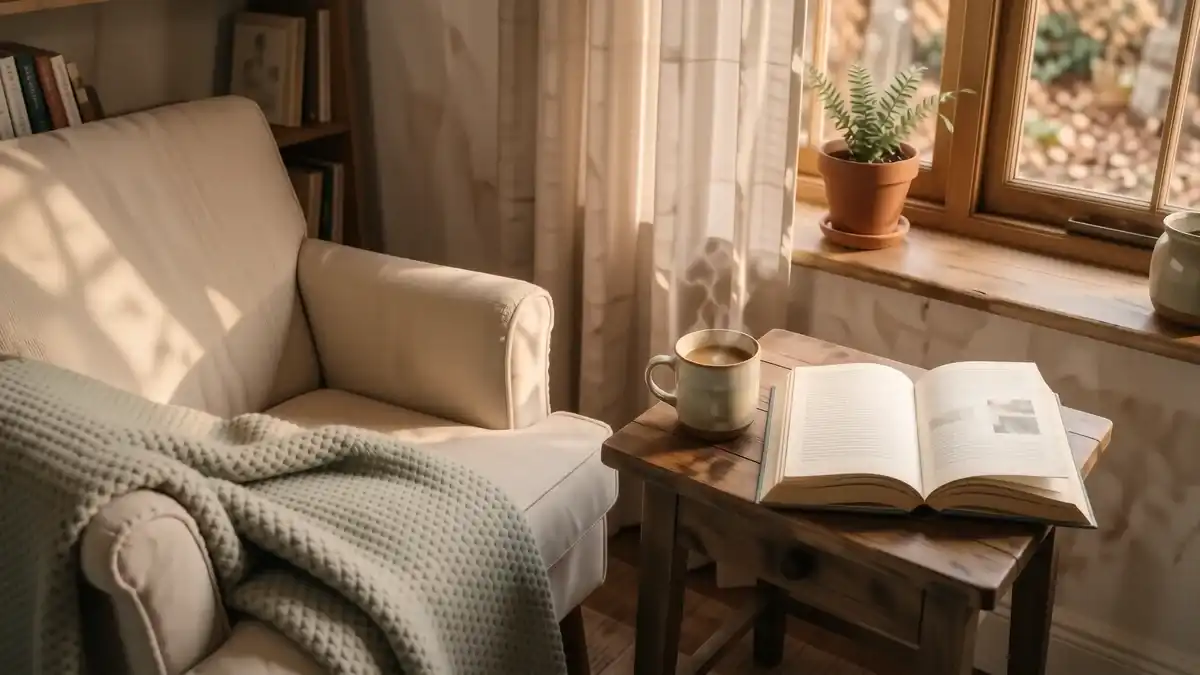
Save There is a specific kind of magic in finding a quiet spot where the world finally goes silent. We are looking at how to build that refuge from scratch, using tactile textures and soft light to turn a forgotten corner into your favorite room.
Start with a Foundation of Comfort
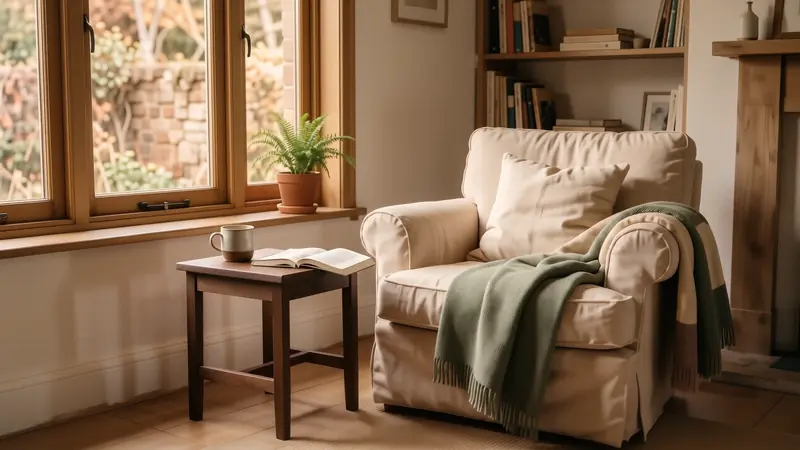
You cannot read well if your back aches after ten minutes. Before you buy any pretty trinkets, focus on the seat itself. A deep-seated armchair in an oatmeal linen or a heavy velvet works best for long sessions. If you are renting a small apartment in NYC and lack space for a full wingback chair, try a thick floor pouf from a brand like West Elm or even a stack of oversized linen cushions.
Position your seat near a natural light source during the day. This helps prevent eye strain when you are turning pages under midday sun. A small, sturdy wooden side table—perhaps something reclaimed with a visible grain—is essential for resting a heavy hardcover or a steaming mug.
- Prioritize seat depth.
- Choose breathable fabrics like cotton or linen.
- Keep the height ergonomic for your legs.
Layering Textures for Sensory Warmth
Cozy decor is felt as much as it is seen. To avoid a space feeling flat, you need to mix different weights of fabric. Think about draping a chunky, hand-knitted wool throw over the arm of your chair. Pair this with a smooth silk or high-thread-count cotton pillow for a contrast that feels sophisticated yet inviting.
Avoid matching everything perfectly. A mismatch of textures creates depth. You might try a boucle cushion in a muted terracotta alongside a heavy waffle-knit blanket in cream. These layers trap heat and provide physical comfort during those rainy Sunday afternoons when you never want to leave your seat.
When selecting materials, look for organic fibers. Synthetic polyesters often feel scratchy against the skin after an hour of lounging. Stick to wool, cotton, or heavy linens to keep the atmosphere grounded.
Mastering the Art of Soft Lighting

Harsh overhead lighting is the enemy of relaxation. To create a true sanctuary, you need to control the temperature of your light. Aim for bulbs in the 2700K range, which mimics the warm, golden glow of sunset rather than the clinical blue of an office.
A dedicated reading lamp is non-negotiable for eye health. A brass floor lamp with a focused downward shade allows you to direct light exactly onto your pages without flooding the entire room with brightness. This creates a ‘pool’ of light that makes the corner feel physically separated from the rest of the house.
If you want more atmosphere, add a small salt lamp or a dimmable amber candle on your side table. Small accents of light help signal to your brain that it is time to slow down and breathe.
Bringing Nature Indoors
A corner can feel sterile if it is only made of furniture and fabric. Adding greenery provides a sense of life and freshness that complements the slow living lifestyle. A tall, leafy plant like a Fiddle Leaf Fig or a more manageable Snake Plant in a terracotta pot works beautifully.
Plants also serve as natural dividers for your space. If your reading nook is part of an open-plan living room, a large potted Monstera can act as a soft green wall that provides visual privacy. This helps you feel tucked away even if someone is watching TV just a few feet away.
If you lack a green thumb, dried eucalyptus in a stoneware vase offers a similar organic aesthetic without the maintenance requirements of live plants.
The Practicality of Small Storage
Nothing ruins the mood like a pile of unorganized books on the floor. To keep your cozy reading corner decor looking intentional, you need dedicated storage. A narrow, vertical bookshelf or even a small wooden crate can hold your current reads and future favorites.
For renters, floating shelves are an excellent way to add storage without bulky furniture. Use command strips or small nails to hang lightweight wooden ledges that display your most beautiful spines. This turns your library into part of the wall decor itself.
Consider a small basket made of seagrass or woven jute for extra items like spare blankets, reading glasses, or even a dedicated journal. Keeping everything within arm’s reach makes the transition from ‘getting settled’ to ‘actually reading’ much smoother.
Creating a Personal Ritual Space
Your nook should reflect your personal habits. If you love tea, make sure your side table is large enough for a teapot and a small saucer. You might even want to incorporate a tiny DIY element, like a handmade ceramic coaster that fits perfectly under your favorite mug.
Some people find that adding a scent component helps them settle in. A light lavender candle or an essential oil diffuser with cedarwood notes can anchor the space through smell. This sensory trigger tells your mind that you are now in ‘reading mode.’
Avoid cluttering the space with items that don’t serve your relaxation. A single beautiful tray can hold your tea, a small candle, and your reading glasses without making the surface look messy or cramped.
Soundscapes and Quietude
True coziness often involves the absence of noise. While you cannot always control the sounds of an apartment building, you can curate your own auditory environment. A small, high-quality Bluetooth speaker tucked behind a plant can play soft jazz or ambient rainfall sounds.
If you prefer total silence, consider adding thick rugs to the floor beneath your chair. A heavy wool rug or a plush shag carpet absorbs echoes and prevents the sound of footsteps from traveling through the room. This creates an acoustic buffer that makes the corner feel more private.
This focus on quietude transforms the nook from just another piece of furniture into a genuine retreat.
The Finishing Touches
As you refine your space, look for those final details that make it feel lived-in. A small piece of art leaning against the wall—rather than hung perfectly straight—can add a relaxed, effortless vibe. Perhaps it is a vintage print or a simple line drawing in a light oak frame.
Don’t be afraid to let the corner evolve over time. You might find that you need an extra lamp six months from now, or perhaps a different colored pillow as the seasons change. The best reading corners are not static museum displays but growing reflections of your changing moods and tastes.
Every object in the space should have a reason for being there, whether it provides light, comfort, or simply a sense of joy when you look at it.
Frequently asked questions
How do I make a reading corner in a tiny studio apartment?
Focus on verticality. Use floating shelves for books and choose a slim armchair or even a comfortable floor cushion to save floor space.
What is the best light temperature for reading?
Aim for bulbs between 2700K and 3000K. This provides enough brightness to see text clearly without being as harsh as daylight-balanced bulbs.
Can I use a reading corner for more than just books?
Absolutely. You can style it as a meditation spot, a journaling nook, or even a quiet place for morning coffee and tea.
What fabrics are best for high-use chairs?
Look for durable natural fibers like heavy linen, cotton canvas, or velvet. These hold their shape well and feel wonderful against the skin.
More ideas → Cozy Reading Nook & Corner Ideas
Keep reading
How to Build a Cosy Reading Nook for Kids
Create a magical cosy reading nook kids will love with these simple, renter-friendly ideas involving soft textures, warm light, and clever storage.
Simple Ways to Master Cozy Corner Decor This Weekend
Transform empty spaces into retreats with practical cozy corner decor ideas using warm lighting, soft textures, and renter-friendly styling tips.
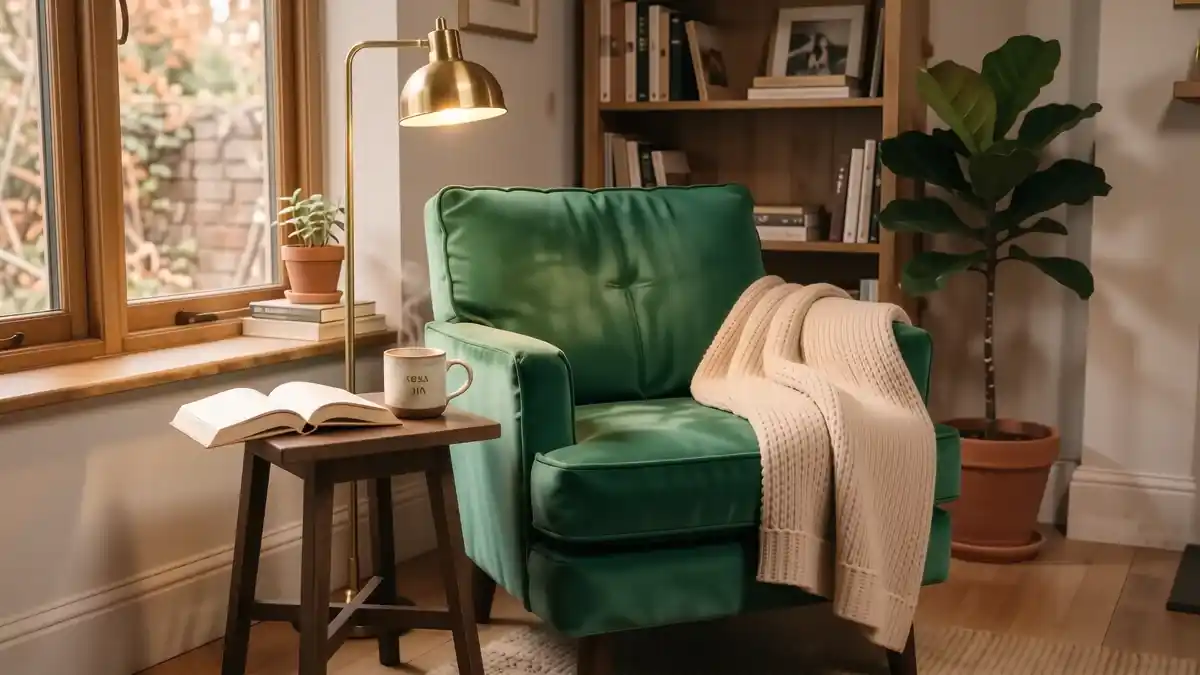
How to Style a Perfect Cozy Reading Nook Chair
Transform any corner into a retreat with these practical tips for selecting and styling your cozy reading nook chair this weekend.
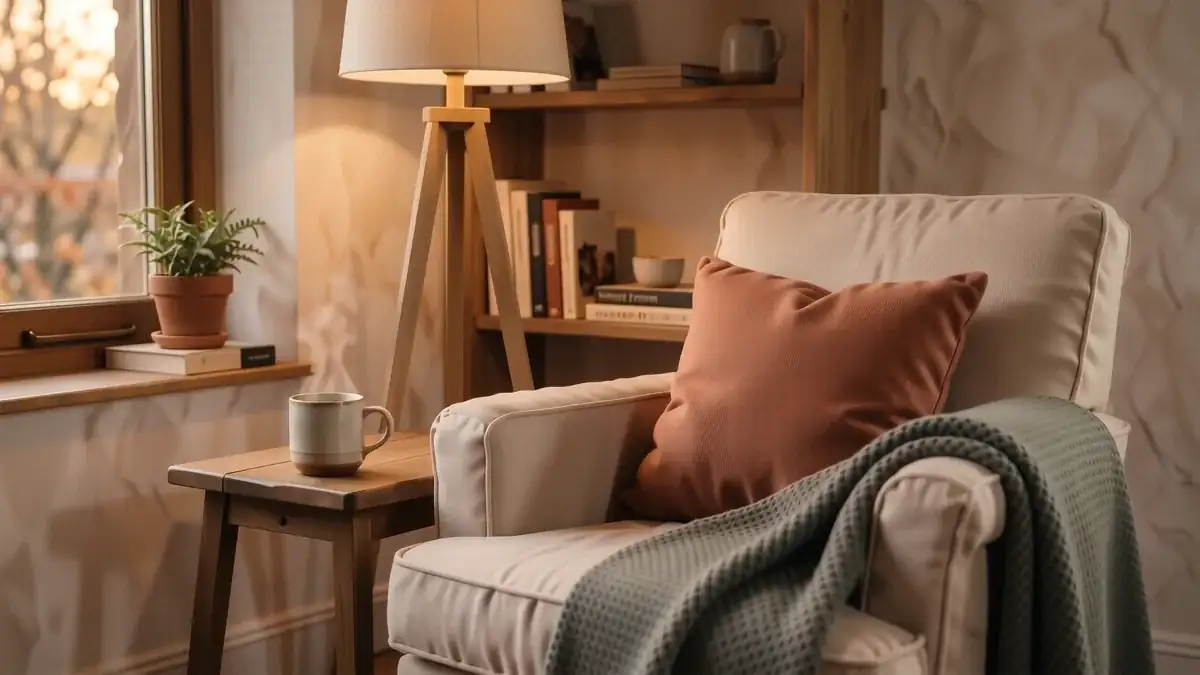
Small Space Comfort: Practical Cozy Apartment Decor
Cozy apartment decor you can do this weekend. Learn about warm lighting, tactile textures, and renter-friendly styling for every small room.