Simple Cozy Patio Ideas for a Slow Weekend Refresh
 Save
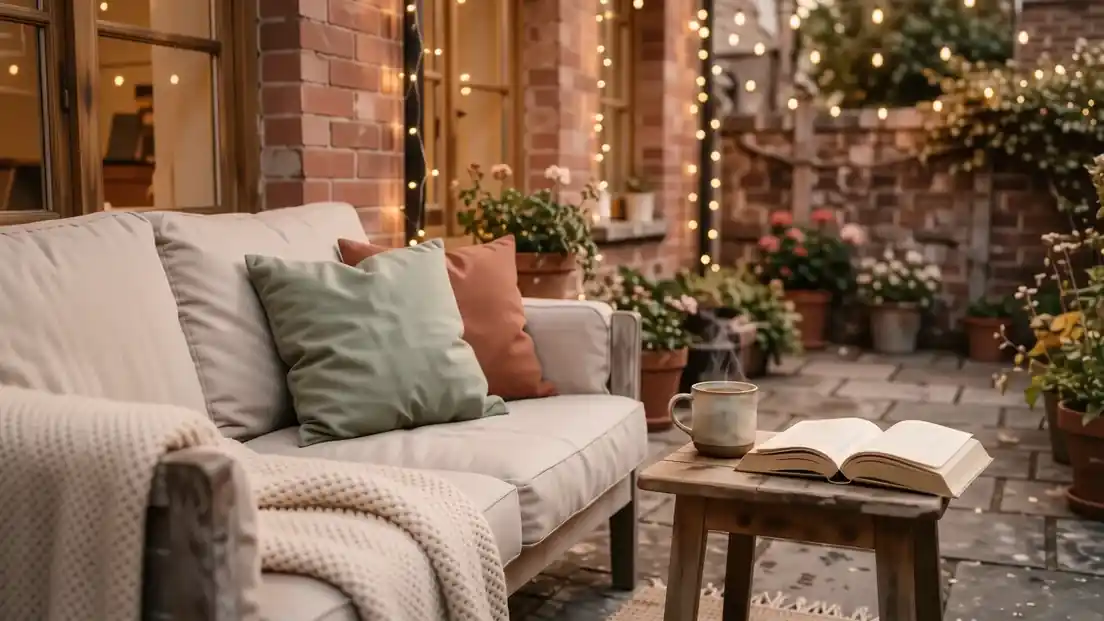
Save There is a specific kind of magic in sitting outside when the sun dips low and the air turns cool. It’s that quiet transition from afternoon chores to evening stillness that makes an outdoor nook feel like a true extension of your home.
Layering Softness with Textiles
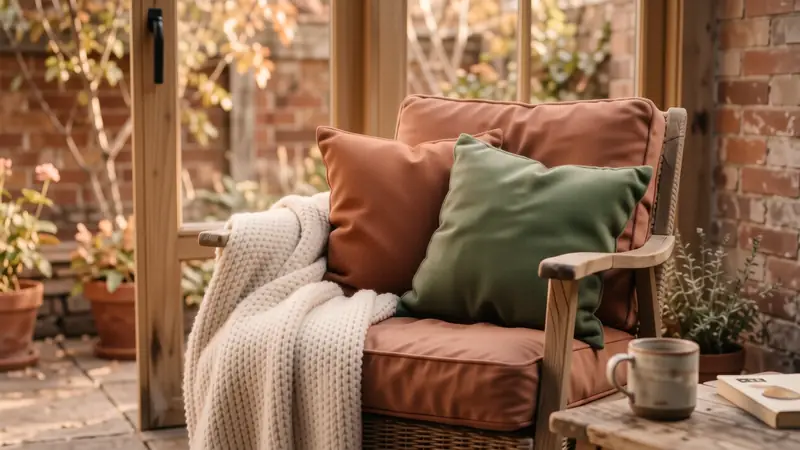
Hard surfaces like concrete or wooden decking often feel too sterile for real relaxation. You can soften these edges by introducing heavy-weight fabrics that invite you to linger. Think about a thick, chunky knit throw in a warm oatmeal shade draped over the arm of a chair.
If you are working with a small balcony, try an outdoor rug made from recycled PET bottles which mimics the look of jute but handles rain much better. A 5’x7’ rug provides enough ground cover to anchor your furniture without swallowing the entire floor space. Mix your textures by pairing a smooth linen cushion with a slightly rougher boucle pillow in muted terracotta.
Small touches matter. Even a single, oversized floor cushion can turn a corner into a reading nook.
Setting the Mood with Warm Light
Avoid the harsh glare of overhead floodlights at all costs. Instead, aim for multiple low-level light sources that mimic the soft glow of a candle. String lights are an easy fix, but look for those with warm-toned LEDs rated at 2700K to avoid that blue, clinical feeling.
If you rent, solar-powered lanterns are your best friend because they require zero wiring and can be moved as the seasons change. Place a brass lantern on a side table or hang one from a shepherd’s hook near your seating area. These small pools of light create depth in an otherwise dark garden.
Lanterns work beautifully. They guide the eye through the shadows.
Creating an Outdoor Living Room
A common mistake is treating the patio as just a place for eating. To achieve true slow living, you need to design it like an indoor room where comfort comes first. A cozy patio sofa serves as your primary anchor point. Look for deep-seated models that allow you to tuck your legs up while reading.
If space is tight, a single oversized cozy patio chair can be just as effective as a full set. Pair it with a small, weather-resistant side table—perhaps something in teak or powder-coated steel—to hold your tea or book. This creates a dedicated zone for solitude rather than just a transit point between the door and the garden.
Furniture should feel substantial. It shouldn’t look like it might blow away in a light breeze.
The Art of the Cozy Patio Bed
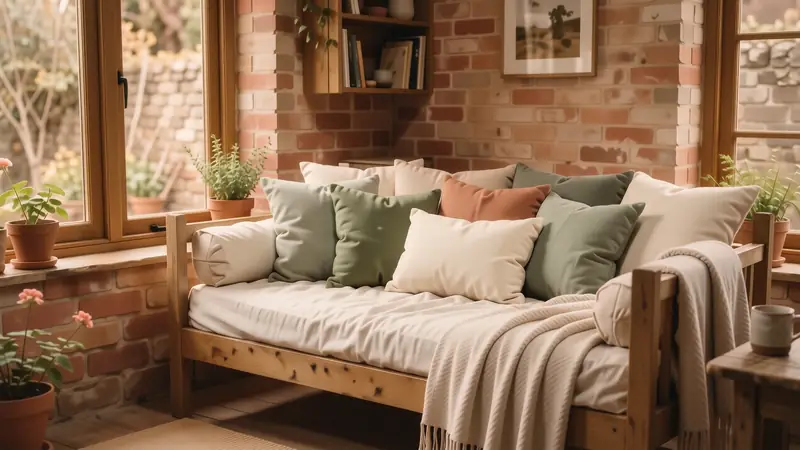
For those with larger terraces or sunrooms, a cozy patio bed is the ultimate luxury. This isn’t a traditional mattress, but rather a daybed setup using a low-profile wooden frame. You can find many modular versions that fit into corners easily.
Line the base with weather-resistant foam pads and layer them with several large pillows in varying sizes. Using high-quality outdoor fabrics like Sunbrella ensures your investment won’t fade after one summer of sun exposure. It becomes a place for afternoon naps or long, slow mornings spent watching the birds.
It is pure indulgence. You will find yourself drifting off before you even realize it.
Bringing Nature Closer
Plants are the living walls of your outdoor sanctuary. To keep things feeling cozy rather than cluttered, use varying heights to create layers of greenery. Tall potted ferns or a small olive tree in a large terracotta pot can provide much-needed privacy from neighbors.
Group your pots in threes to avoid a scattered look. Use materials like weathered clay or matte ceramic to ground the space. If you have limited floor room, hanging planters with trailing ivy can add vertical interest without taking up precious square footage. This greenery helps blur the line between your house and the garden, making the patio feel more integrated into the natural world.
Greenery breathes life. It makes a space feel settled.
Designing a Boho Patio Aesthetic
A cozy boho patio relies heavily on organic shapes and an eclectic mix of patterns. Avoid perfectly matching sets, which can often feel stiff or uninviting. Instead, try mixing a rattan chair with a metal side table and various patterned cushions in earthy tones like ochre or burnt sienna.
Macramé plant hangers add that signature bohemian texture without needing much physical space. You might also consider adding a small wooden footstool to encourage a relaxed posture. The goal is to make the area look as though it has been curated over many years of slow, intentional living.
Embrace the imperfections. A slightly mismatched collection feels more lived-in and warm.
Small Spaces for Big Comfort
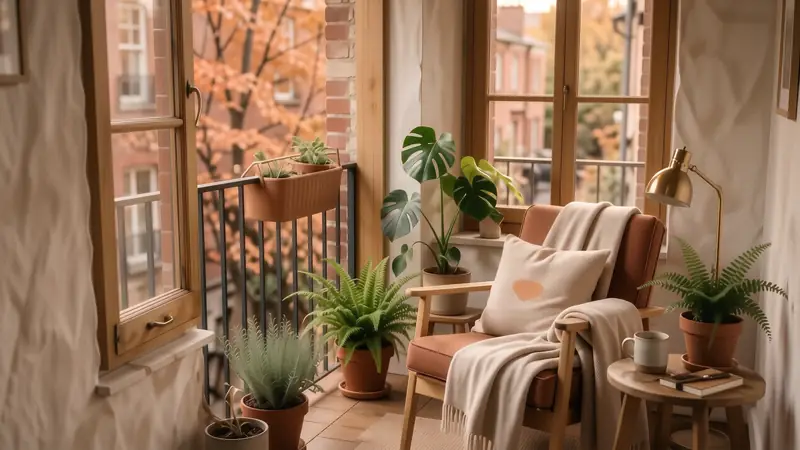
You do not need a sprawling backyard to enjoy these principles. Even a tiny apartment balcony can become a sanctuary if you focus on verticality and scale. A small, foldable bistro set is practical, but adding a single, high-quality cozy patio chair can often feel more intentional for solo relaxation.
Use the walls to your advantage by installing slim wooden shelves for small succulents or tea tins. This keeps the floor clear while still providing that sense of enclosure and coziness. A simple outdoor rug in a neutral tone will also help define the space, making it feel like a distinct room rather than just an appendage to your kitchen.
Focus on quality over quantity. One good chair is better than four cheap ones.
Sensory Details for Slow Living
True coziness engages more than just the eyes. Consider what you hear and smell when you step outside. A small, tabletop stone water feature can provide a gentle white noise that masks the sound of distant traffic or neighbors.
Scent is another powerful tool for setting an atmosphere. Planting lavender or jasmine near your seating area ensures that every time a breeze passes through, you are met with a calming aroma. You might even keep a small basket nearby filled with citronella candles in glass jars to manage bugs while adding a subtle, clean scent.
These tiny details change everything. They turn a simple patio into a multi-sensory retreat.
The Weekend Transition
Setting up your space doesn’t have to be an overwhelming project. Start by simply clearing away any clutter that has gathered over the winter months. Once the surface is clean, choose one single area to focus on, like adding a new set of cushions or hanging some lights.
You will find that as you sit in your newly styled space, you naturally notice what else might be missing. Perhaps it’s a warmer blanket for October evenings or a more substantial rug for the summer heat. Let the space evolve alongside your habits and the changing seasons.
Slow progress is best. Enjoy the process of making it yours.
Frequently asked questions
How do I keep my patio cushions from getting moldy?
Look for cushions made from quick-dry foam and water-repellent fabrics like Sunbrella. Always store them in a waterproof deck box during heavy rain or long periods of disuse.
Can I make a patio cozy if it's very windy?
Yes, focus on heavier materials like stone or thick wood for your decor. Use weighted planters and avoid lightweight fabric hangings that might blow away easily.
What is the best way to light a dark patio without electricity?
Solar-powered LED lanterns are excellent, but you can also use high-quality beeswax candles in heavy glass hurricane lamps for a more traditional feel.
Is it worth buying expensive outdoor furniture?
If you plan to use the space daily, investing in quality teak or powder-coated aluminum will save money over time because these materials resist rot and rust much better than cheap plastic.
More ideas → Cozy Outdoor & Patio Ideas
Keep reading
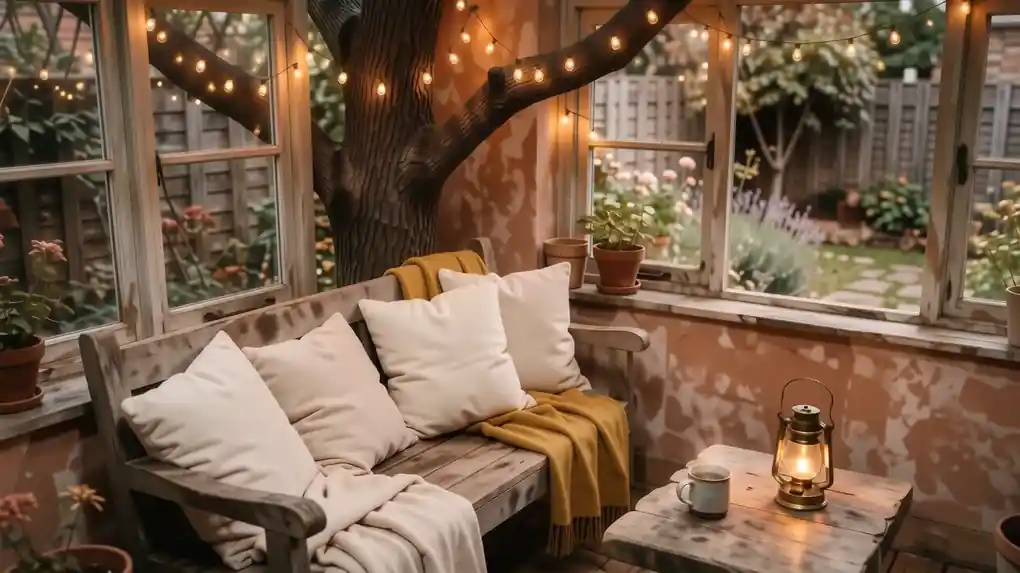
Simple Ways to Create Cozy Backyard Decor
Simple cozy backyard decor that shift the whole mood. From warm lighting to soft textures, learn how to build a relaxing garden escape.
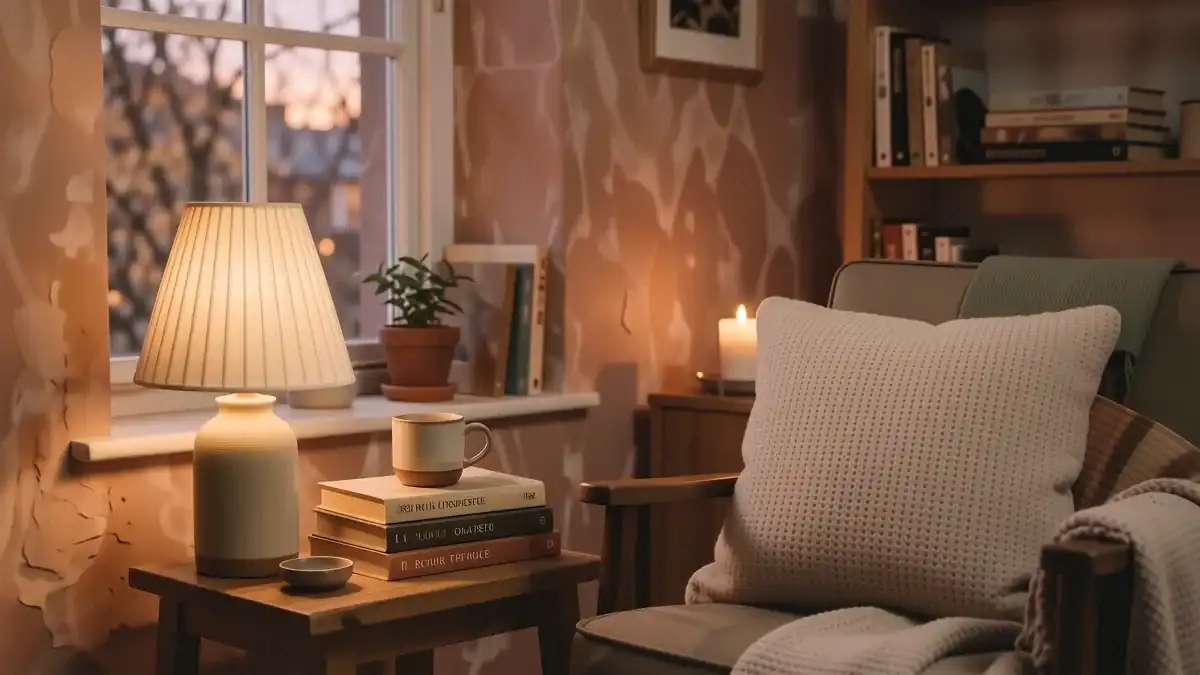
Warm and Cozy Apartment Lighting Ideas for Small Spaces
Cozy apartment lighting ideas you can pull off on a budget. From warm bulb temperatures to layered textures, create a sanctuary this weekend.
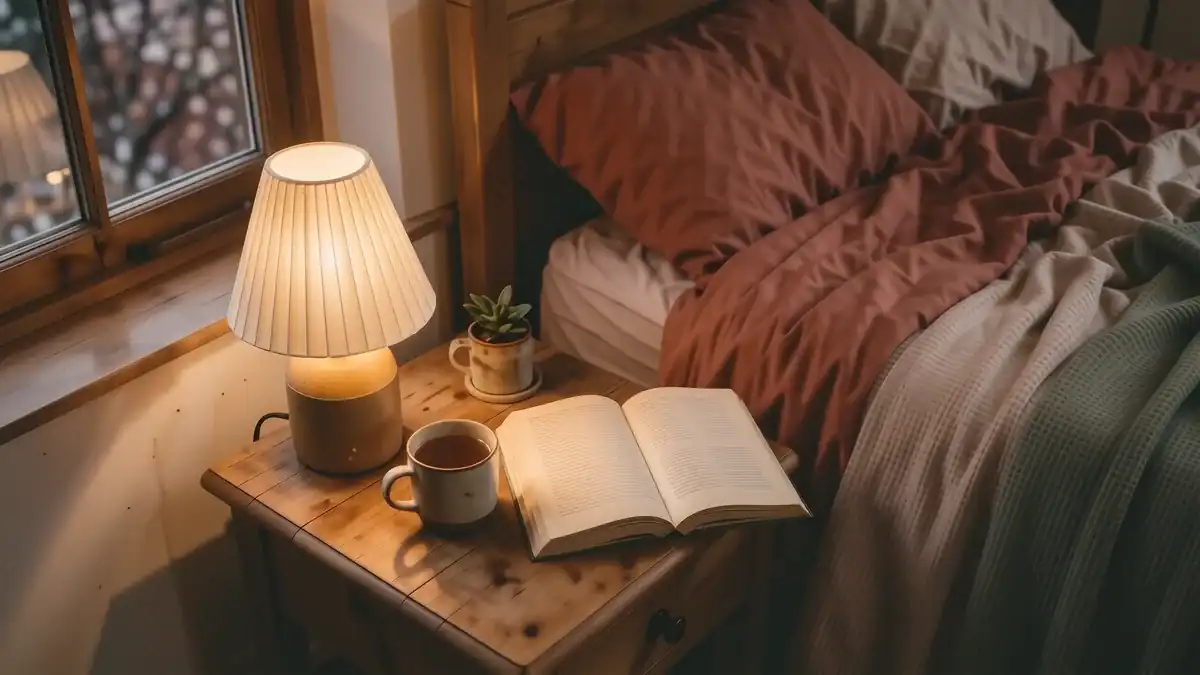
Warm and Cozy Bedroom Lighting Ideas for Your Sanctuary
Simple cozy bedroom lighting ideas that shift the whole mood. Learn how to use warm bulbs, layered lamps, and soft textures to create a restful retreat.
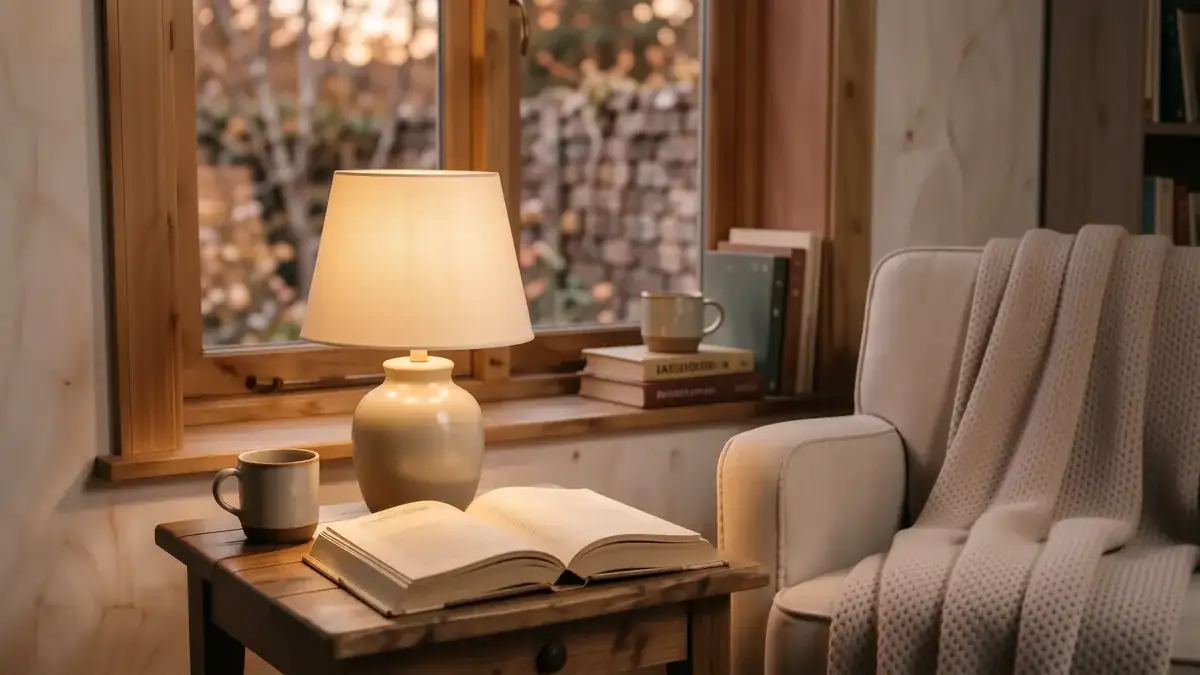
Warm Glows: Practical Cozy Home Lighting Ideas
Practical cozy home lighting ideas, minus the fluff. Learn about light temperatures, layered lamp placement, and renter-friendly glow tips.