Simple Japandi Kitchen Design Ideas for a Calmer Home
 Save
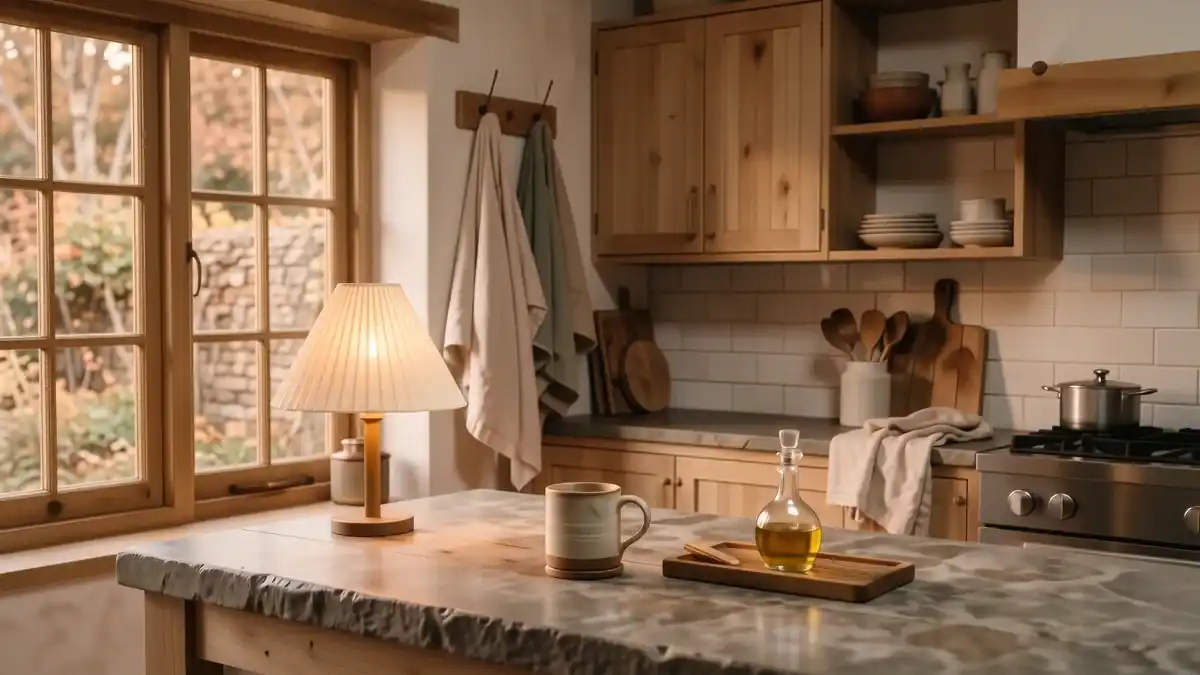
Save The morning sun hits a ceramic mug. Everything feels quiet, intentional, and deeply still. We can bring that sense of calm into our busiest rooms through thoughtful japandi kitchen design ideas.
Finding the balance between warmth and restraint
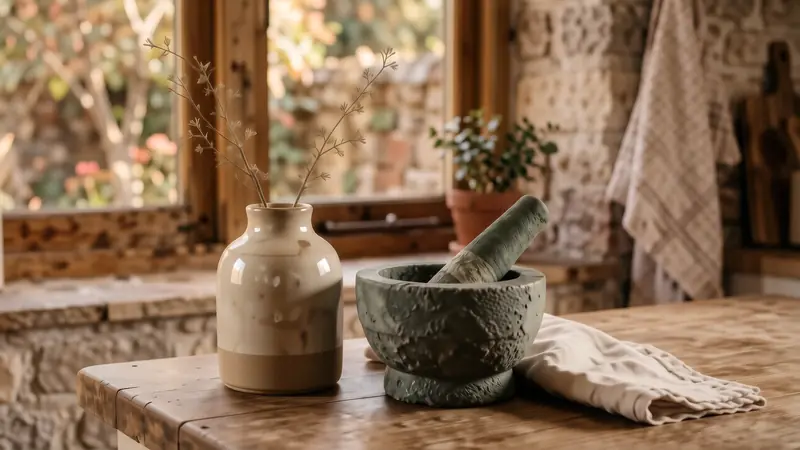
Japandi style is not about emptiness. It is a marriage of Scandinavian hygge and Japanese minimalism. You want to avoid the cold, clinical feeling that often comes with modern design by introducing organic shapes. Think of soft edges rather than sharp corners. A round wooden fruit bowl on a stone countertop creates an immediate sense of ease.
Start with a base of neutral tones. Use colors like warm oatmeal or muted sand instead of stark, hospital white. If your kitchen cabinets are currently a bright, glossy white, you can soften them by adding matte accessories in earthy shades. A small change makes a big difference.
- Swap plastic soap dispensers for amber glass bottles.
- Replace metal utensil holders with handmade stoneware crocks.
- Add a single branch of eucalyptus in a tall vase.
Layering textures to add depth
Flat surfaces can feel lonely. To fix this, you need tactile variety. Mix the smoothness of polished stone with the roughness of unglazed clay. This contrast is where the magic happens. A heavy linen tea towel folded neatly next to a smooth wooden cutting board provides instant visual interest.
Wood is your best friend here. Look for light oak or ash finishes rather than dark, heavy walnuts. If you are renting, you can layer texture without permanent changes by using woven seagrass placemats under your dining setup. These small additions build a sense of coziness that feels earned through careful selection.
Texture makes a room feel lived-in. It prevents the minimalist aesthetic from feeling too precious or untouchable.
The art of intentional lighting
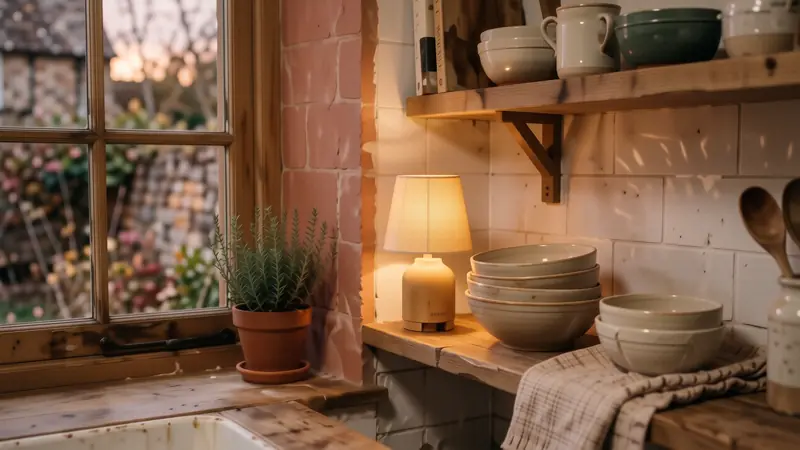
Harsh overhead lights kill the mood instantly. For a true japandi vibe, you need layers of soft light. Aim for a color temperature around 2700K to keep things feeling golden and inviting. If your main kitchen light is too bright, try adding a small cordless lamp on the countertop. This creates a localized pool of warmth that feels much more intimate.
During dinner prep or late-night tea, you want shadows to play softly against the walls. Avoid using high-lumen bulbs that flatten the room’s dimensions. Instead, opt for frosted glass pendants or paper lanterns like those from Noguchi styles.
Small lamps change everything. They transform a functional workspace into a sanctuary.
Decluttering with beautiful storage
In a Japandi space, everything has a home. The goal is to keep your counters mostly clear so the eye can rest. However, you don’t have to hide every single item in a cupboard. Use functional objects as decor by displaying them purposefully.
Glass jars with wooden lids are perfect for storing grains or pasta. These look much better than mismatched plastic packaging. If you have open shelving, group items by color or material to maintain a sense of order. A set of three matte black mugs looks intentional, whereas five different colored ones can feel chaotic.
Keep it simple. Less clutter means more peace.
Bringing the outside in
Nature is the heartbeat of this design style. You don’t need a massive indoor jungle to achieve this effect. A single, well-placed plant can anchor a room. Opt for greenery with structural shapes, such as a small olive tree or a simple vase of dried grasses.
If you lack a green thumb, focus on natural materials like stone, wood, and linen. These elements connect your indoor space to the organic world outside. Even a small tray made of travertine can bring that earthy connection to your coffee station.
Natural elements ground us. They remind us of the slow pace of growth.
Renter-friendly updates for instant impact
Living in a rental shouldn’t stop you from creating a cozy kitchen. You can change the entire atmosphere without touching a single tile. Peel-and-stick backsplash tiles in a matte cream or soft sage color are surprisingly effective. They add pattern and texture without any permanent commitment.
Swap out your cabinet hardware too. Replacing standard silver pulls with brushed brass or matte black handles is a quick weekend project. It feels high-end but is easily reversible when you move.
Don’t forget the textiles. A new runner rug in a muted jute material can hide an old floor and add much-needed warmth to your feet.
Curating your coffee or tea station
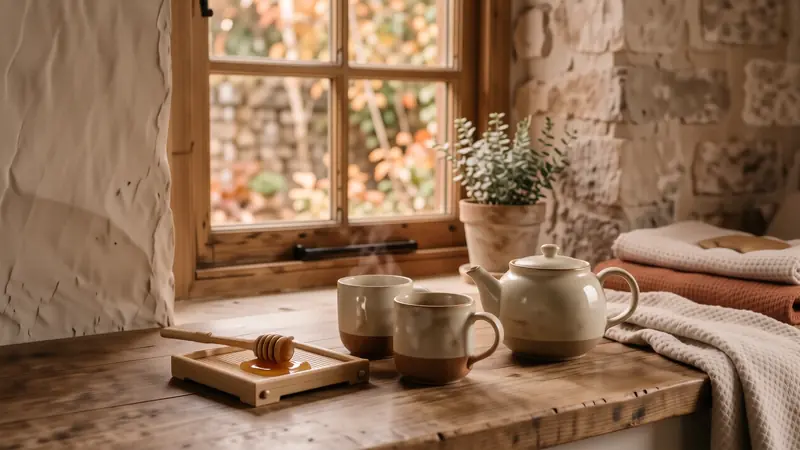
The kitchen is often the heart of slow living. Creating a dedicated corner for your morning ritual can shift your entire mindset. Dedicate one small area to your kettle, a wooden tray, and your favorite mugs. This makes the act of making tea feel like an event rather than a chore.
Use a tray to contain the visual noise. A simple bamboo or stone tray keeps your coffee pods, sugar jar, and spoons in one neat place. When things are contained, they look curated instead of messy.
Small rituals matter deeply. They anchor our busy days.
The power of muted color palettes
Color dictates the temperature of your home. For Japandi, we lean toward colors found in nature during the quiet seasons. Think of charcoal, soft moss, warm taupe, and sandy beige. These tones allow the textures of your furniture to shine through.
You can introduce a single accent color without overwhelming the space. A muted terracotta bowl or a sage green linen cloth adds just enough life. Avoid high-contrast patterns that compete for attention. You want the colors to hum quietly in the background rather than shout.
Color should soothe. It should never startle.
Continuing the flow into other rooms
A kitchen shouldn’t exist in a vacuum. To make your home feel truly cohesive, let these design principles bleed into your dining area or even the adjacent living room. If you use light oak in the kitchen, try to find similar wood tones for your dining chairs. This creates a visual thread that pulls the whole house together.
The goal is a sense of continuity. When one room flows into the next through shared colors and materials, the entire home feels larger and more peaceful. It turns a collection of rooms into a singular, breathing sanctuary.
Frequently asked questions
Is Japandi style too cold for a cozy home?
Not if you focus on warmth. Use organic materials like wood and linen, and always choose warm light temperatures to avoid a sterile feeling.
Can I use Japandi design in a small kitchen?
Yes, it is actually ideal for small spaces. The emphasis on decluttering and functional beauty helps prevent a small room from feeling cramped.
What are the best colors for a Japandi kitchen?
Stick to neutrals like oatmeal, sand, and cream, paired with earthy accents like sage green or muted terracotta.
How can I make my kitchen look more expensive on a budget?
Focus on small details. Swap out hardware for matte finishes and invest in high-quality stoneware or wooden accessories to replace plastic ones.
More ideas → Cozy Kitchen Ideas
Keep reading
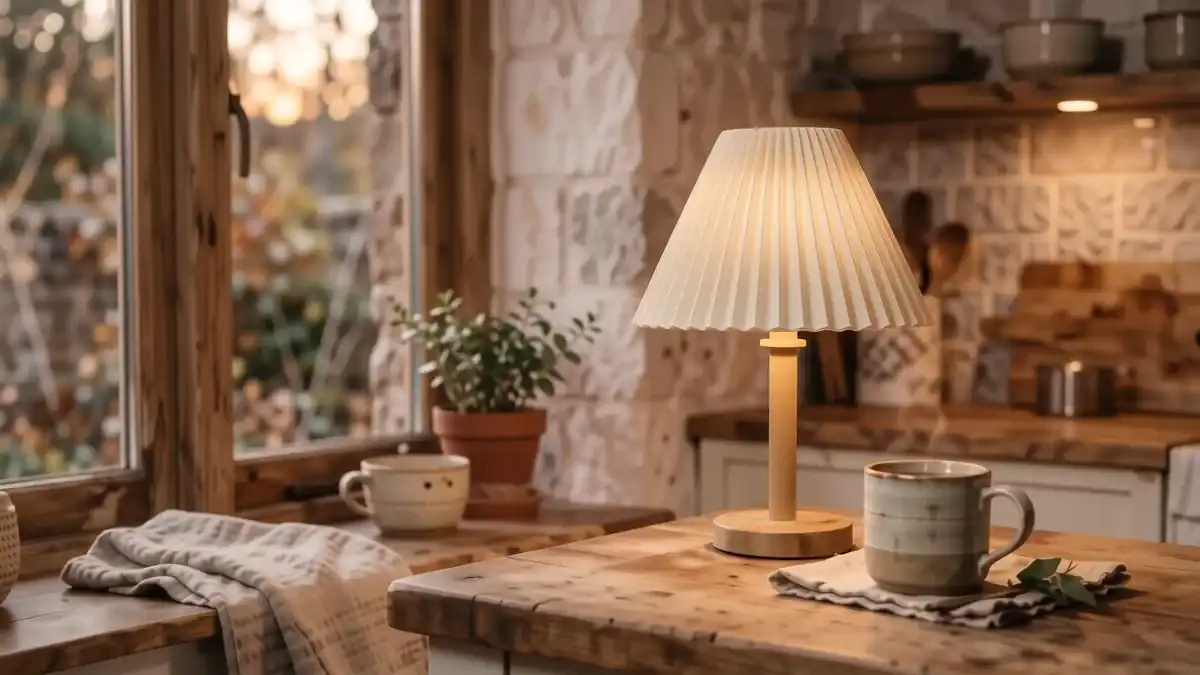
Warm Glows: Practical Cozy Kitchen Lighting Ideas
Cozy kitchen lighting ideas for a warmer, calmer home. From warm bulbs to renter-friendly lamps, learn how to create a soft, inviting atmosphere.
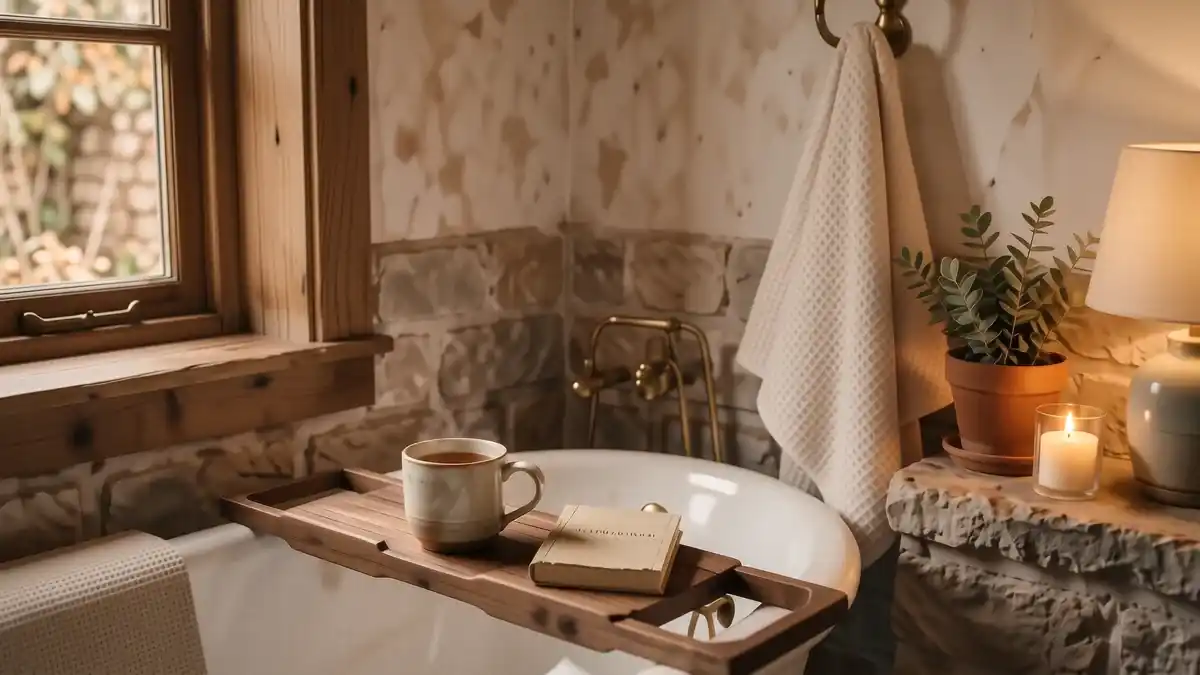
Simple Cosy Bathroom Ideas for a Warm Retreat
Cosy bathroom ideas that actually work. From warm lighting to soft textures, learn how to create a relaxing sanctuary this weekend.
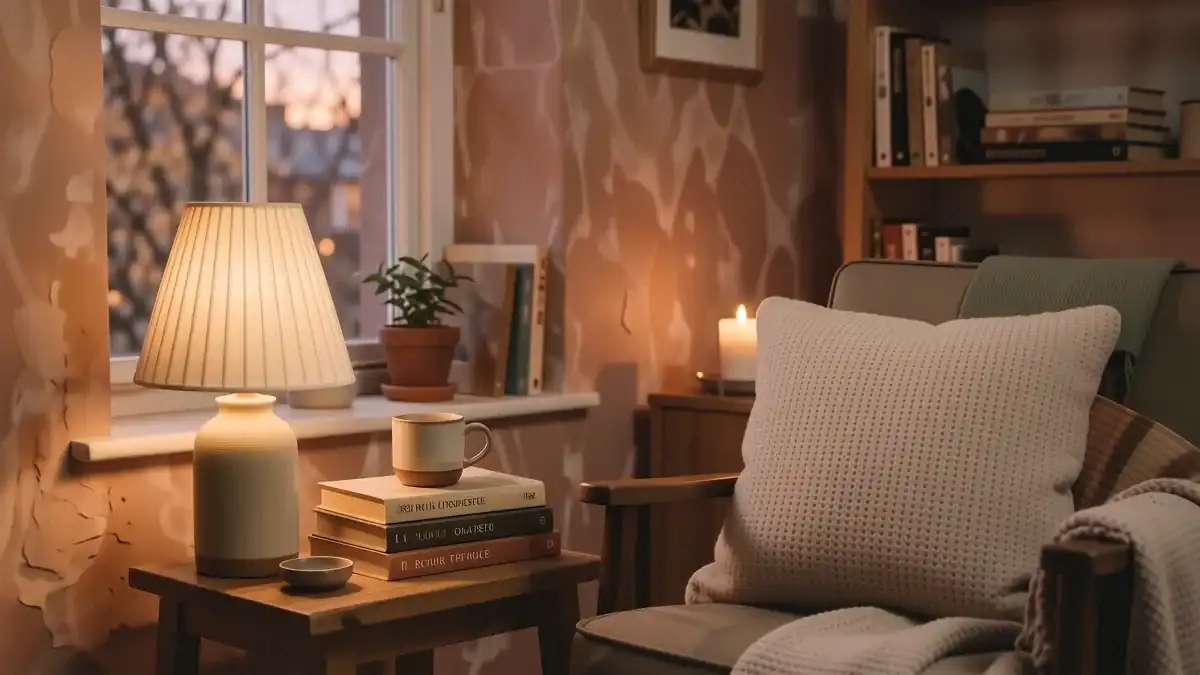
Warm and Cozy Apartment Lighting Ideas for Small Spaces
Cozy apartment lighting ideas you can pull off on a budget. From warm bulb temperatures to layered textures, create a sanctuary this weekend.
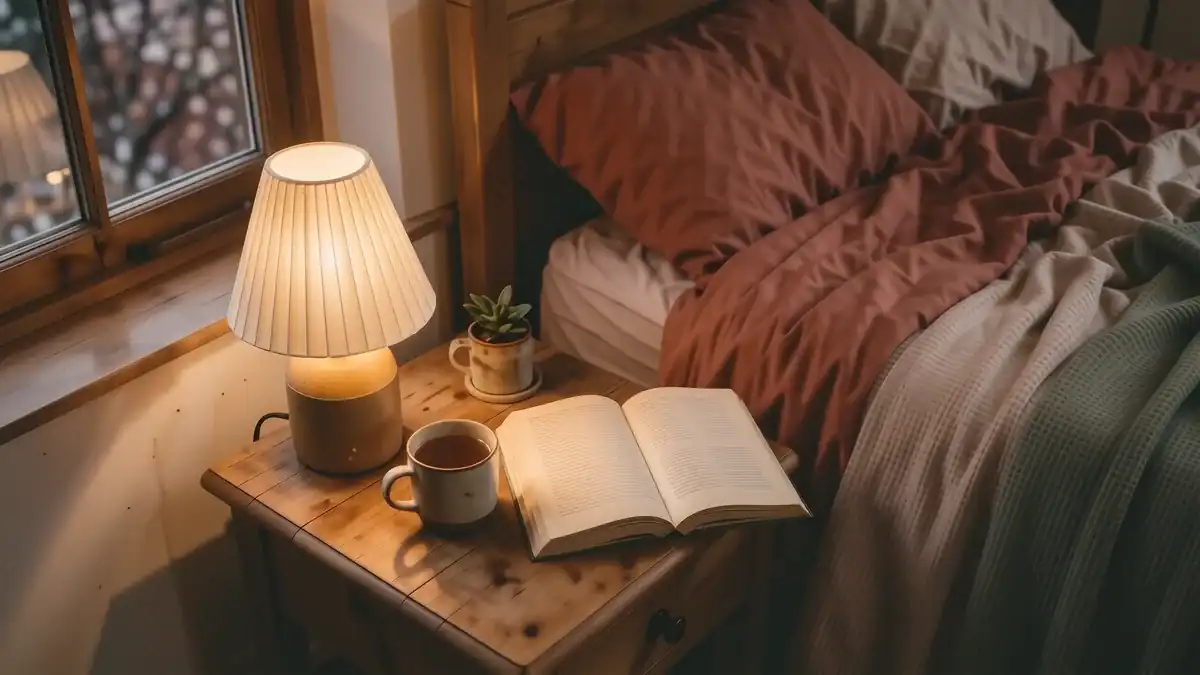
Warm and Cozy Bedroom Lighting Ideas for Your Sanctuary
Simple cozy bedroom lighting ideas that shift the whole mood. Learn how to use warm bulbs, layered lamps, and soft textures to create a restful retreat.